Designers (24)
Close
There are places where light is so abundant that it becomes almost invisible. It arrives each morning with certainty, rests across walls and landscapes, and becomes part of the ordinary rhythm of life.
Denmark is different.
For much of the year, light in the north is something one waits for. Winter days are short, darkness arrives early, and the sky can remain grey for months. When spring returns, it brings more than warmth. It brings the feeling of light itself: a release, a softening, a quiet change in the way people move through the world.
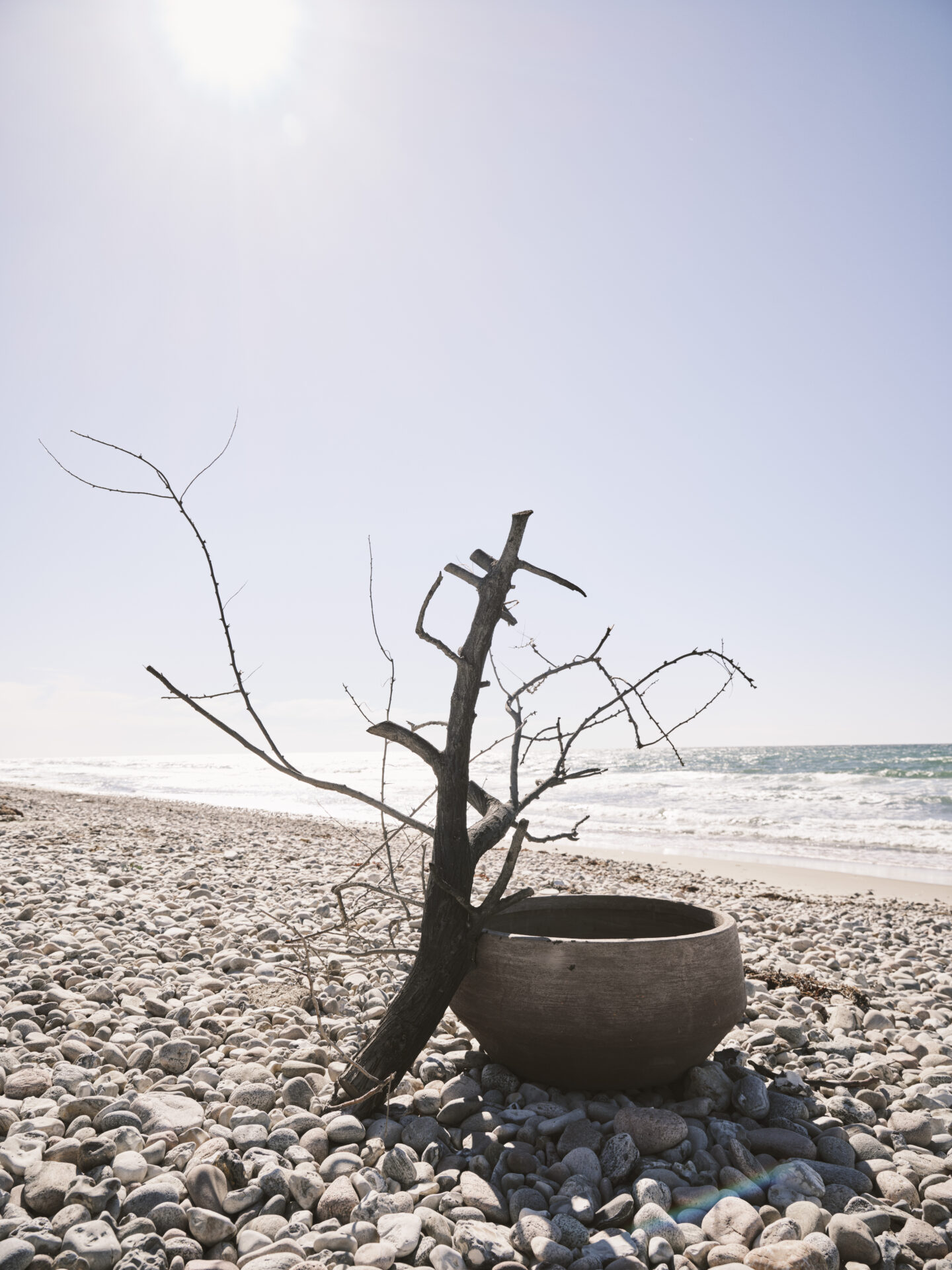
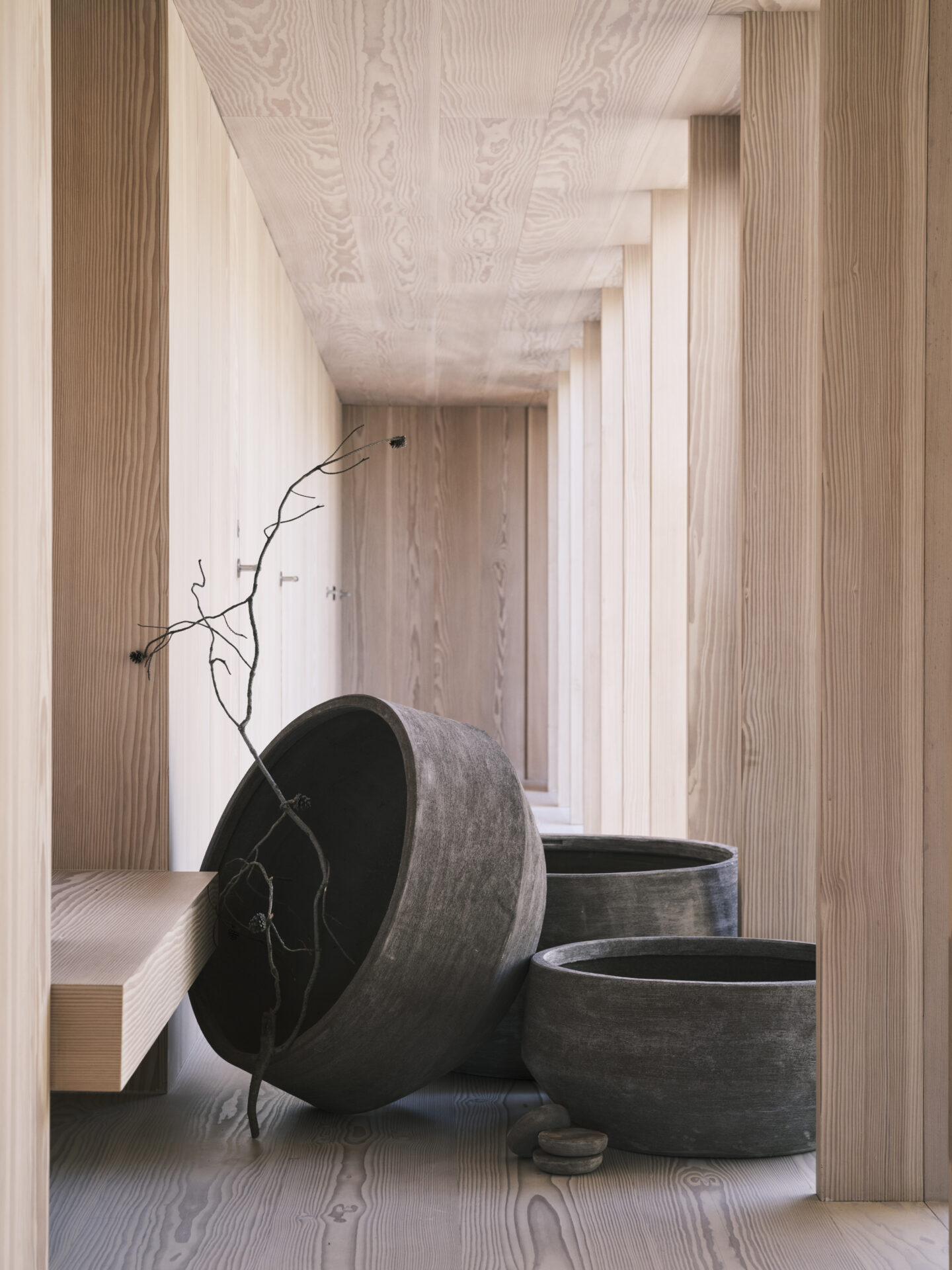
Objects shaped by time, returned to the sea. By Ditte Isager
For Ditte Isager, that awareness began in childhood.
“Being brought up in Denmark, light is very important,” she says. “We have the long dark winter from October to March. When spring arrives, so does the light. That has always set the tone for my photography. The awareness of light, and the opposite, the darkness.”
It is difficult to separate Isager’s work from this early understanding. In her photographs, light alters the emotional temperature of a room, a table, a landscape, or a face. It enters gently, settles across surfaces, and reveals the atmosphere already present within a place.
Across interiors, food, travel, portraiture, and daily life, her images carry a natural ease. Nothing feels overly constructed. Beauty is allowed to appear through framing, texture, and the quiet traces of human presence.
“Photography is about light and framing,” she says. “What is inside these two parameters is only fun.”

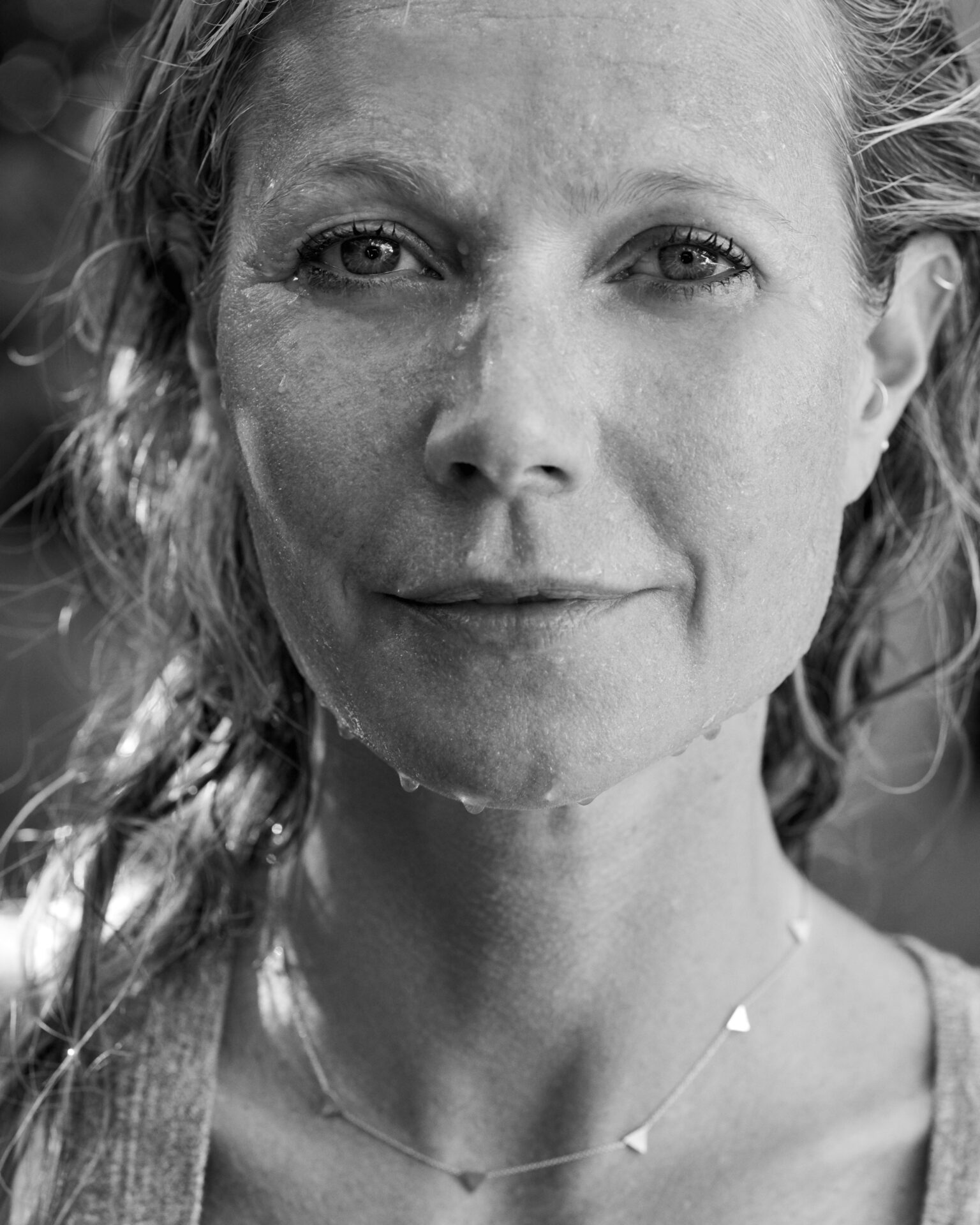
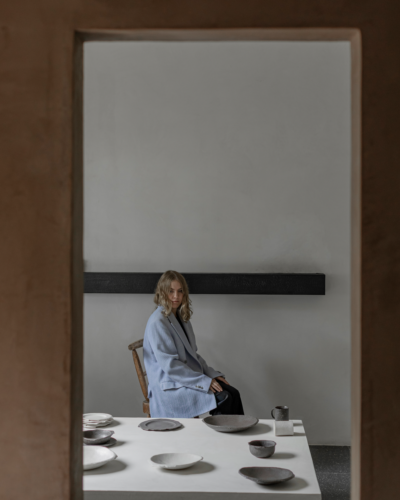
The person behind the table. Gwyneth Paltrow by Ditte Isager
The sentence is disarmingly simple, yet it carries a clear philosophy. For Isager, photography does not begin with theory or control. It begins with attention. The frame creates the boundary, the light gives the image its life, and what happens inside belongs to instinct, curiosity, and the pleasure of looking.
Scandinavian photography is often described through restraint and minimalism. With Isager, the truth is more nuanced. She recognizes the reserve and discipline of her Danish background, but resists minimalism as a complete identity.
“We as Danes can be very reserved and minimalistic in our beliefs,” she says. “I have some of that in my blood, but I also have a more relaxed approach in my way of living and believing, and I think I carry that in my photography. The Scandinavian discipline and colder light combined with a warmer and more playful way of living and making images.”
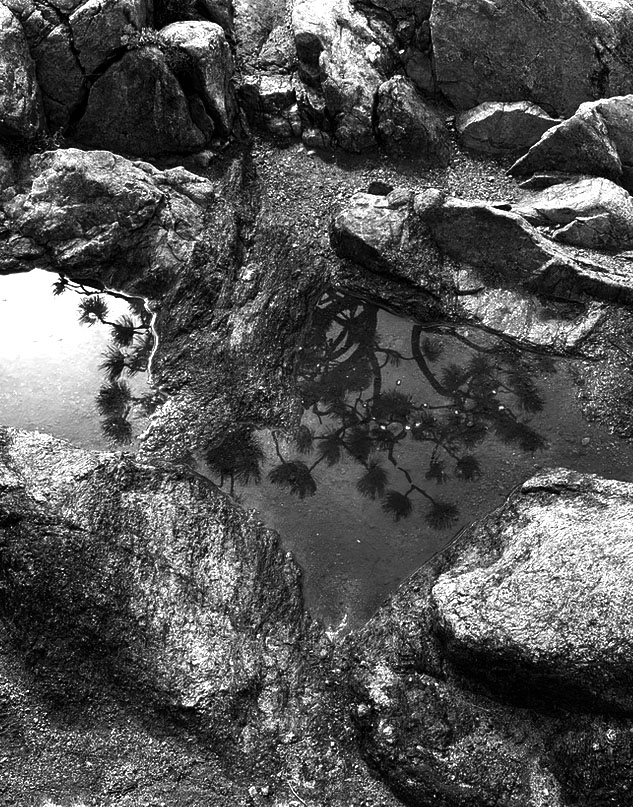
In nature's quiet moments, beauty asks only to be noticed. By Ditte Isager
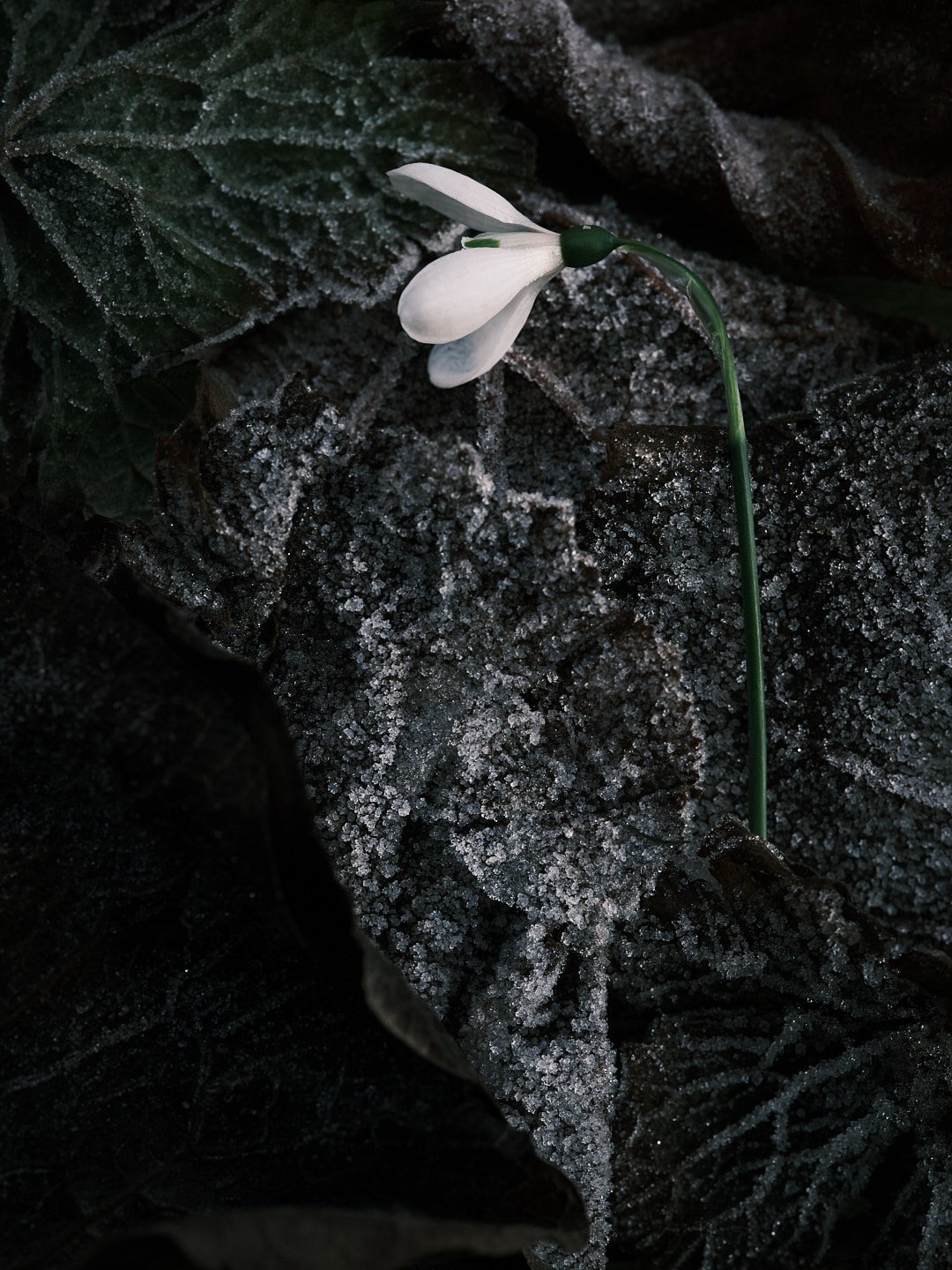
That tension gives her work its particular character: clarity without severity, restraint without distance. Her photographs often feel calm, yet rarely empty. Even when no person appears, there is a sense that life remains close by: a room has been used, a table has been gathered around, someone has just left or may soon return.
“I’m not a minimalist,” she says. “I thrive with people and company, and that is what you see in my images.”
The quiet in her photographs is not absence. It is warmth held in suspension, the feeling of life continuing just beyond the edge of the image.
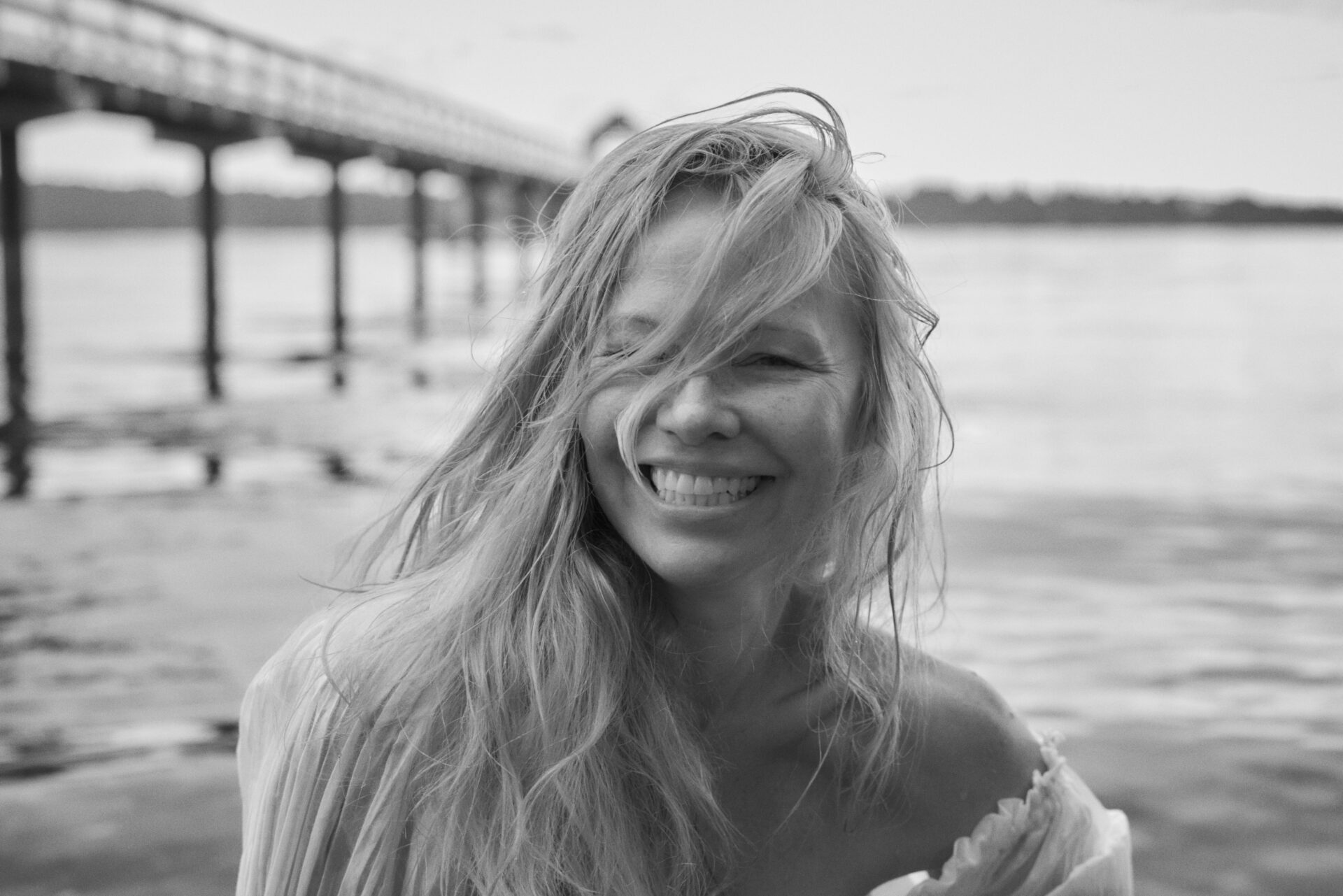
Joy, carried by the wind. Pamela Anderson by Ditte Isager
For Isager, people matter not only as subjects, but as part of the creative atmosphere. The team around an image, the energy of a set, and the trust between collaborators all become part of the final photograph.
“Working with food photography, it is always very important to have a good team, a good stylist, and of course a good food stylist or chef.”
The same directness appears when she describes what she needs before making an image that feels true.
“Good coffee and nice team and client.”
There is no elaborate ritual here, only the conditions that allow work to feel alive: ease, generosity, and the presence of people one trusts.
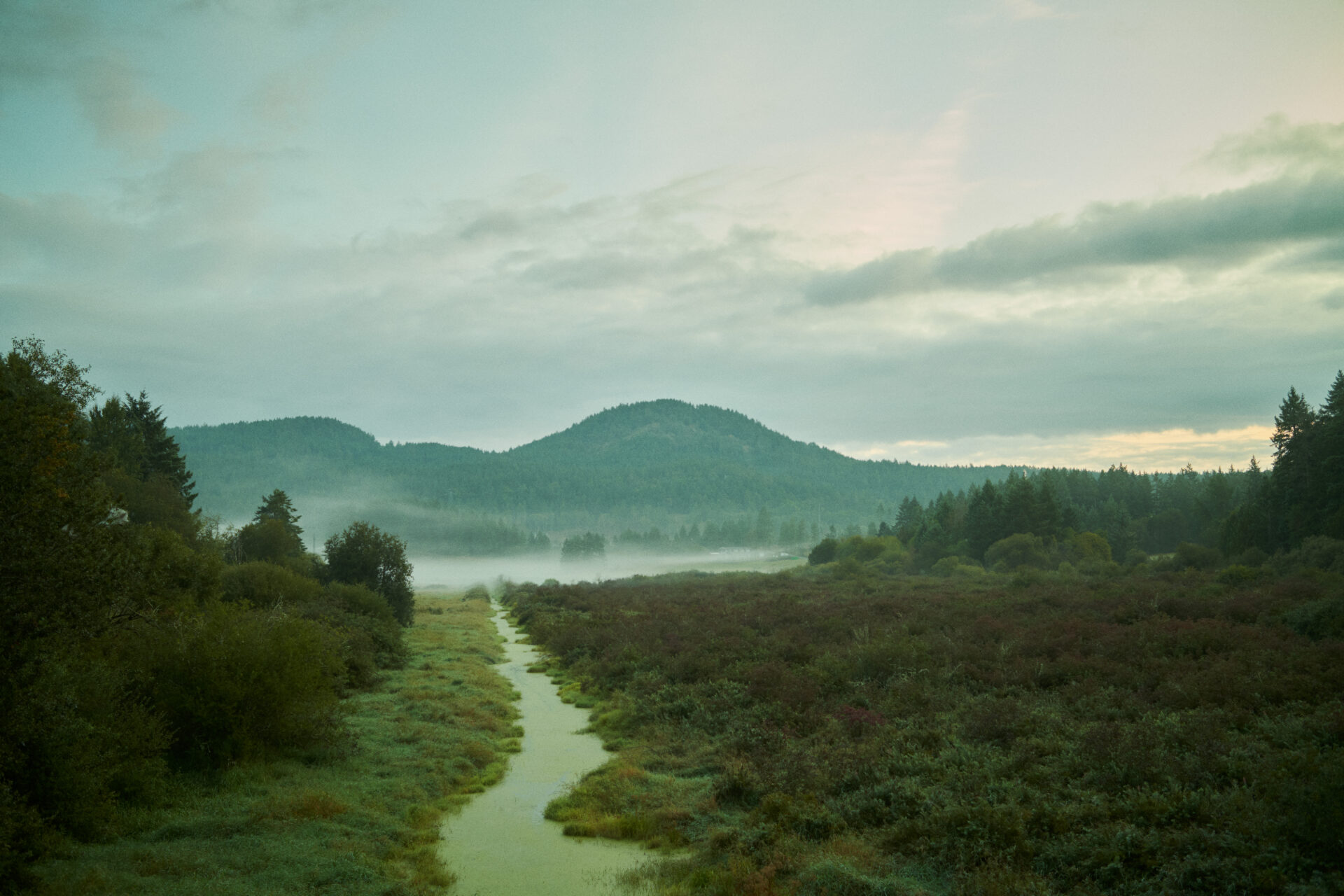
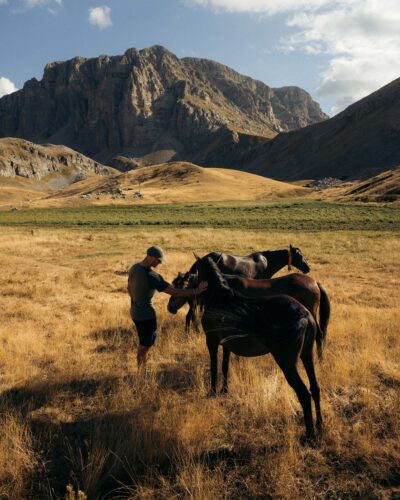
Where morning mist lingers, the landscape remembers. By Ditte Isager
Travel has expanded this visual vocabulary. She speaks with gratitude about the places she has encountered, from Nuuk in Greenland to Los Angeles, Japan, and New York. Each has left something behind, shaping her sense of color, atmosphere, and space. New York, where she lived for seven years, had a significant impact on her life and career. Japan, in recent years, has become a powerful source of inspiration.
“Japan has been an enormous inspiration the last couple of years,” she says. “The simplicity and beauty are very inspirational for me. I always try to take some of this with me both mentally and physically.”
Beauty appears without hesitation. When asked what makes an image stay with her, Isager answers with a single word: “Beauty.” No explanation. No qualification. For her, beauty is not decoration. It is a way of noticing when something in the world holds feeling.
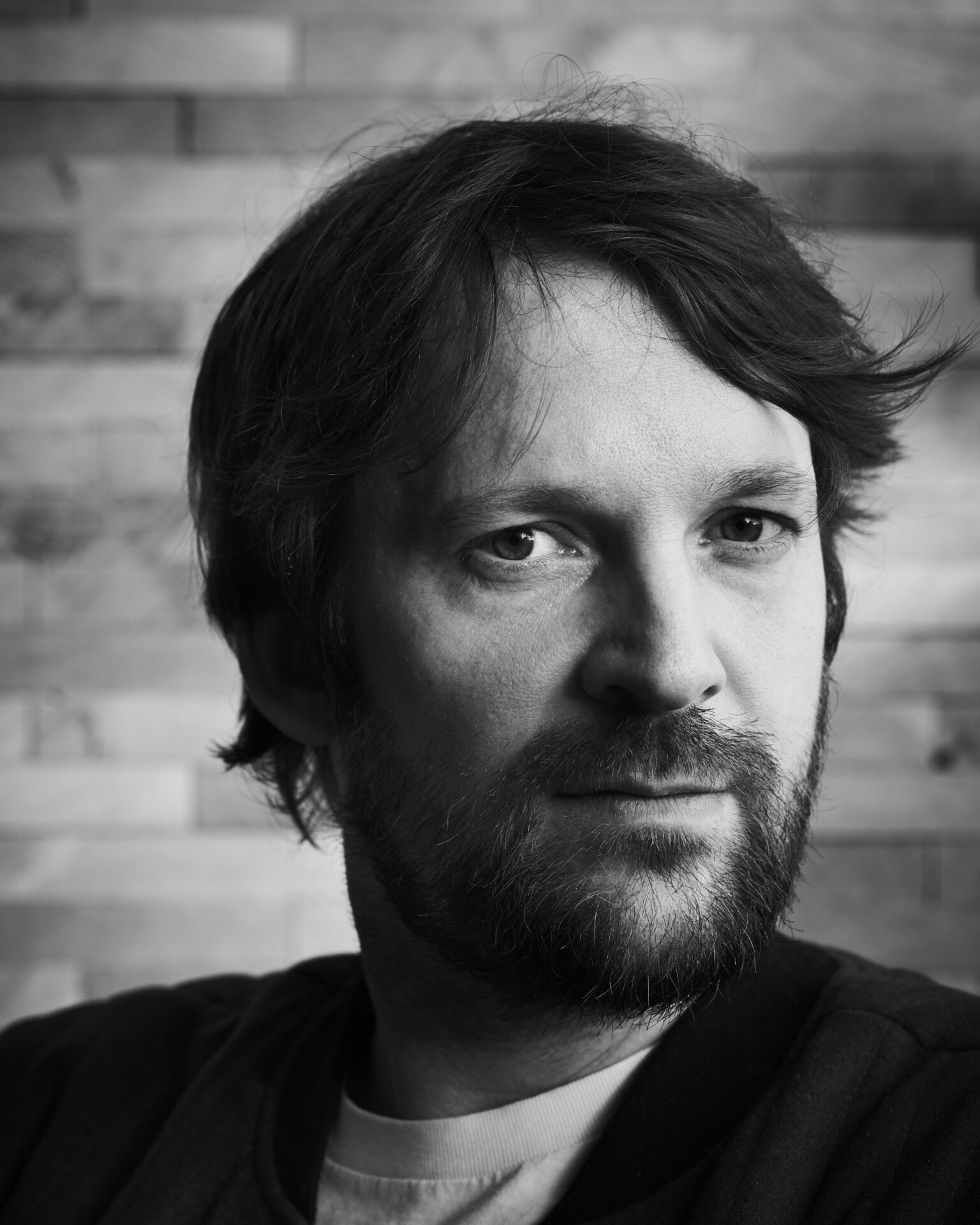
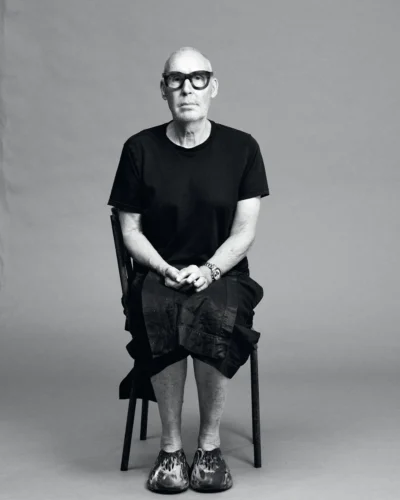
Rooted in curiosity, guided by the seasons. René Redzepi by Ditte Isager
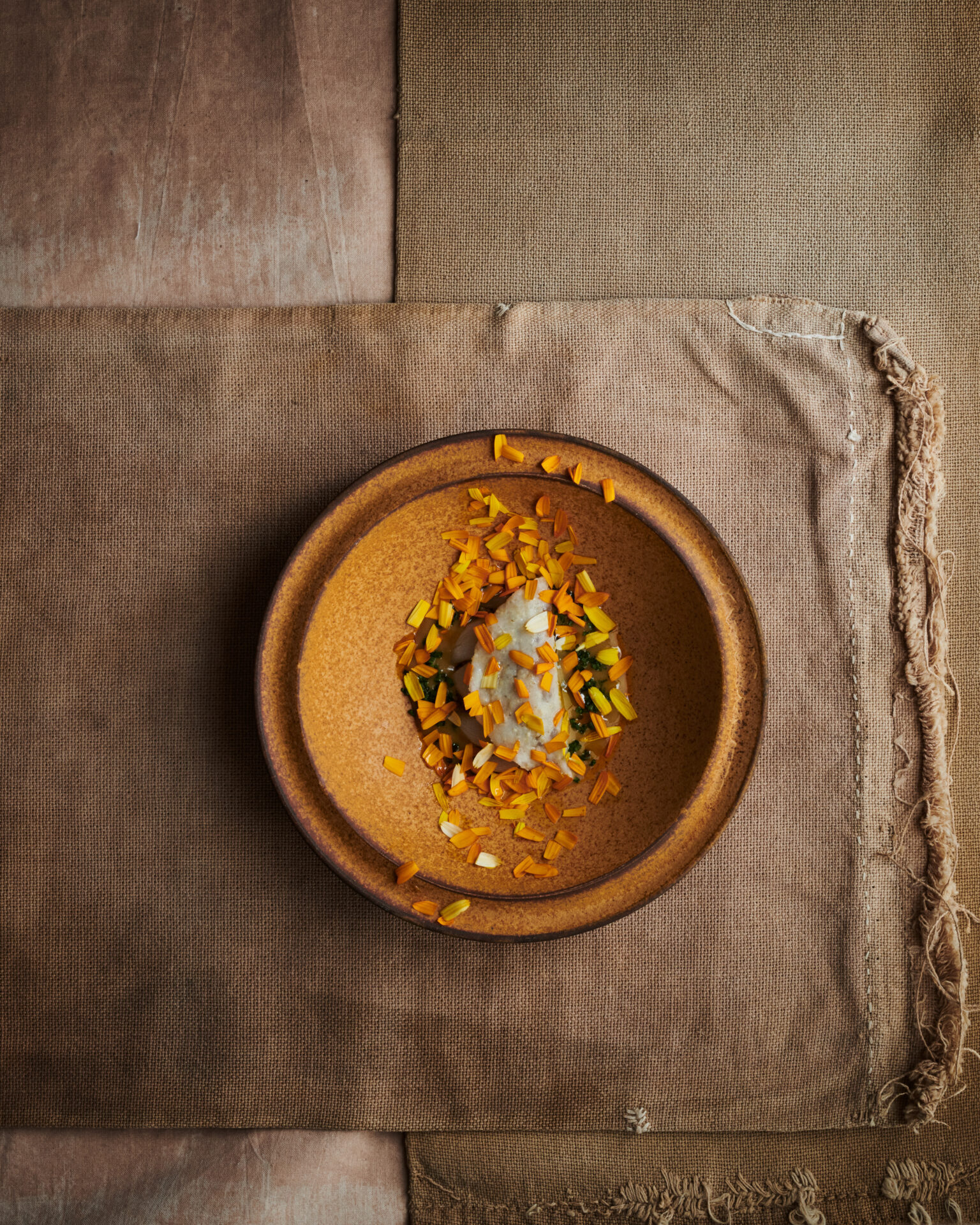
In recent years, her relationship to light has begun to shift. For a long time, she worked almost exclusively with the soft shade light of a north-facing window. Time spent in Los Angeles opened another possibility: warmer sun, stronger shadows, and a different emotional register.
“I love natural light,” she says. “For many years I only shot in front of a north-facing window in the soft shade light, but recently, and maybe from spending a lot of time in LA, I have fallen in love with the warmer and sunny light, with nice warm shadows. I love the mix.”
Mexico has entered this imagination as well. Isager hopes to photograph her next book there, and when she speaks about the country, she returns first to the sky.
“I think Mexico has the same big open sky like California, and when you come from the more grey north that light makes you so happy. In Copenhagen, it’s like the first day that really feels like spring or summer. Everyone just smiles.”
The sentence carries the heart of the interview. Light, for Isager, is not only something that transforms an image. It transforms people. It changes the way a body feels in a place. It opens something.
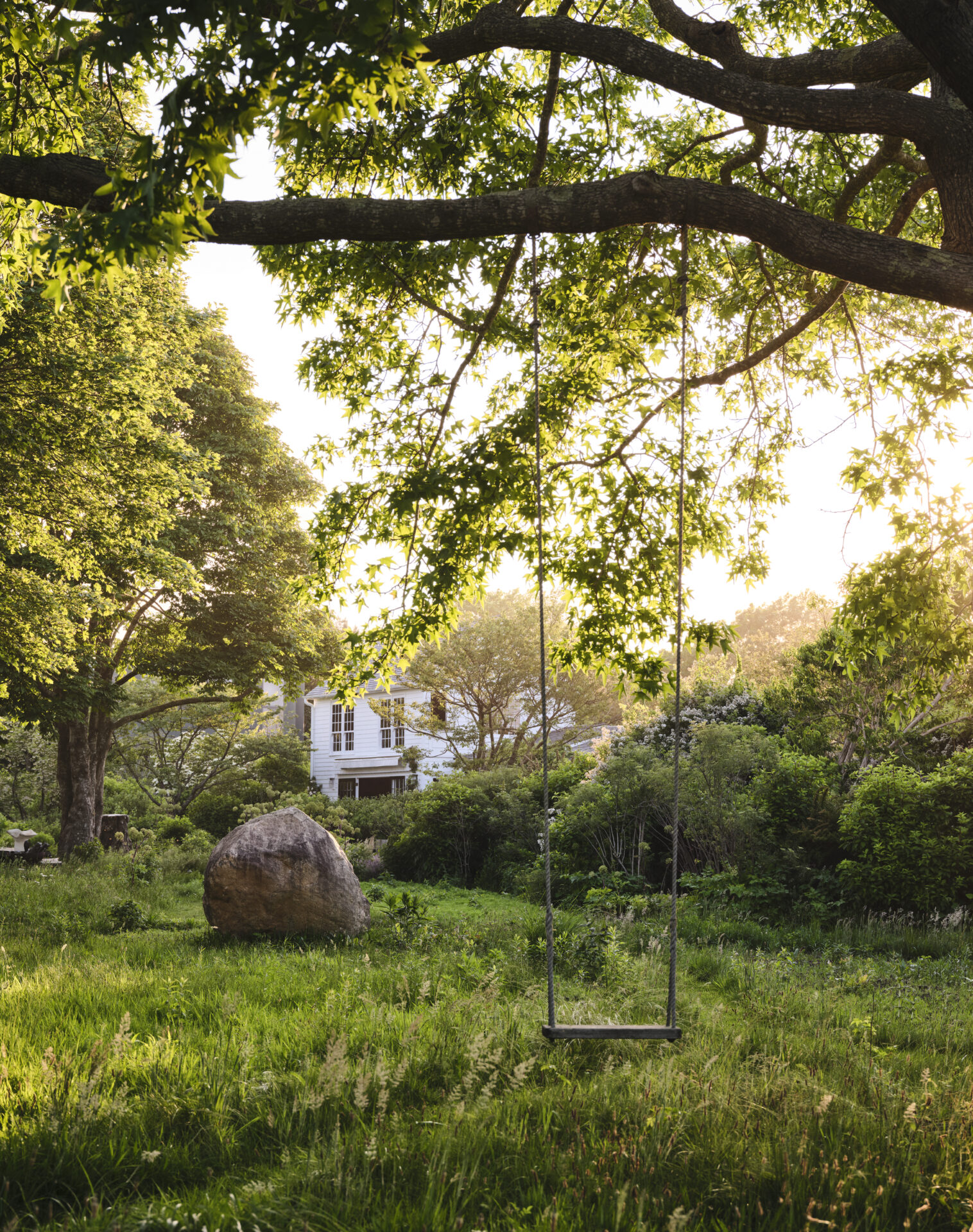
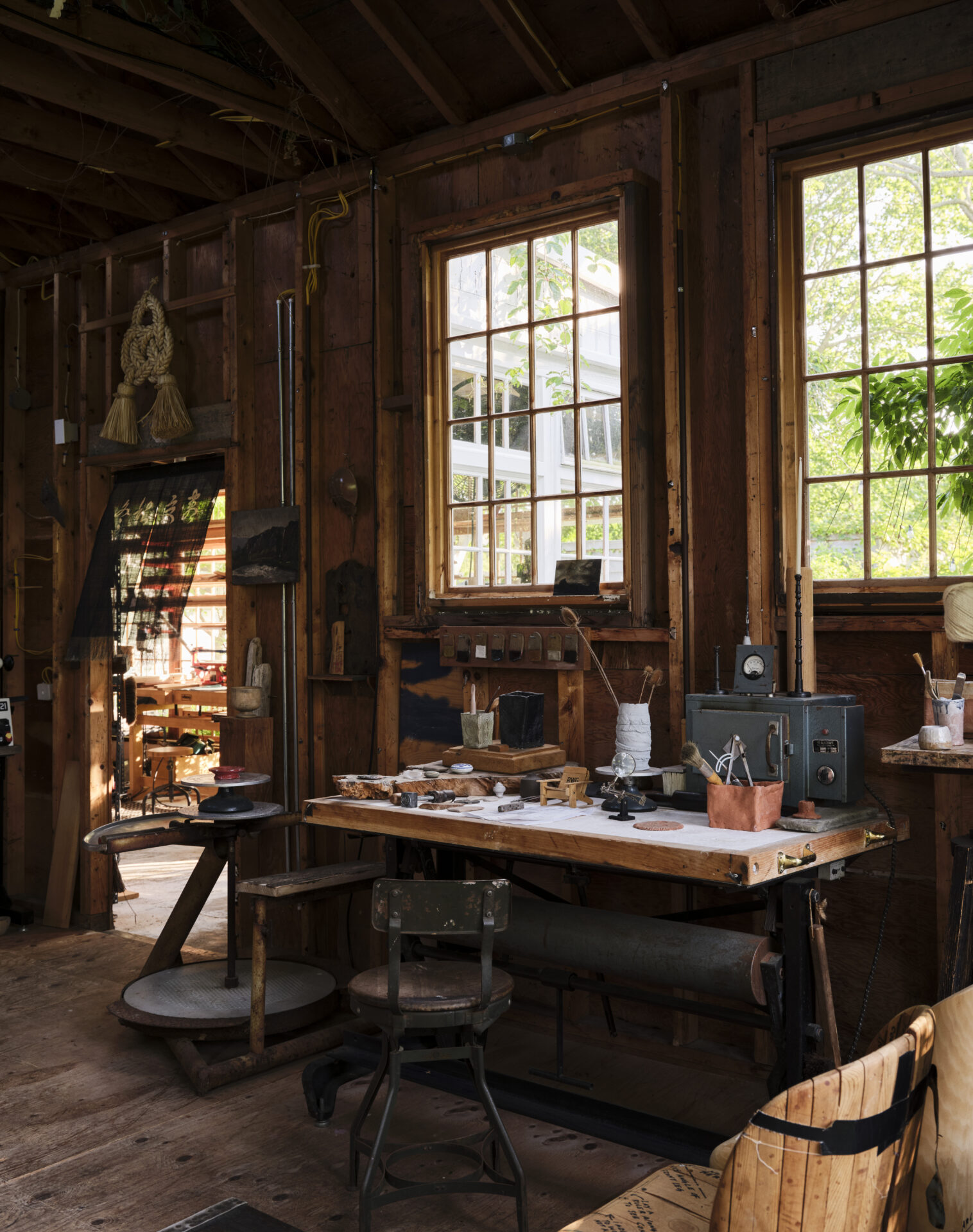
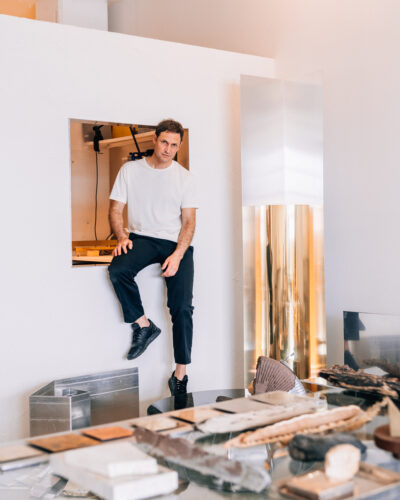
Where nature shapes the rhythm of making. Roman & Williams by Ditte Isager
This instinctive understanding also shapes the way she works. In a time when images are multiplied and refined almost without limit, she prefers not to overwork the moment. She moves quickly and trusts her first response.
“I try not to overwork or overthink my images,” she says. “I very much work with my instinct and I also shoot very quickly on a set. If I love the first shot, that’s it. I always feel that too many variations kills the energy.”
There is confidence in that restraint, but also humility. It suggests an understanding that some images arrive because the conditions are already there. The work is not always to improve them, but to recognize them before their energy disappears.

Nature composes with colour, rhythm, and form. By Ditte Isager
Outside photography, her sources of nourishment remain close to daily life. She speaks simply of life with her family in the suburbs of Copenhagen. Not everything that feeds an artist has to look like art; sometimes it is family, routine, coffee, conversation, and the pleasure of returning home.
Toward the end of the conversation, Isager reflects on the kind of future she wants for her work. Her answer is not framed around ambition, scale, or recognition. It is about choosing well.
“I’m very focused to try only to work with projects I like, with people I like,” she says. “It may be sounds naive, but I think you need to feel good to create good things.”
There is nothing naive about the statement. It feels like the result of experience: a clear understanding that the emotional conditions surrounding a project shape what it becomes. Beauty cannot always be separated from trust. Good work often depends on whether the people making it feel open, respected, and alive.
In a visual culture that often rewards speed, excess, and constant reinvention, Ditte Isager’s work offers another rhythm. It reminds us that photography can begin with noticing the light, trusting the first feeling, and staying close to the people and places that bring joy.
Her images do not ask to be decoded. They ask to be felt.
A room. A window. A table. A shadow. A sky opening wide above Mexico or California. The first day of spring in Copenhagen, when everyone suddenly smiles.
The happiness of light.
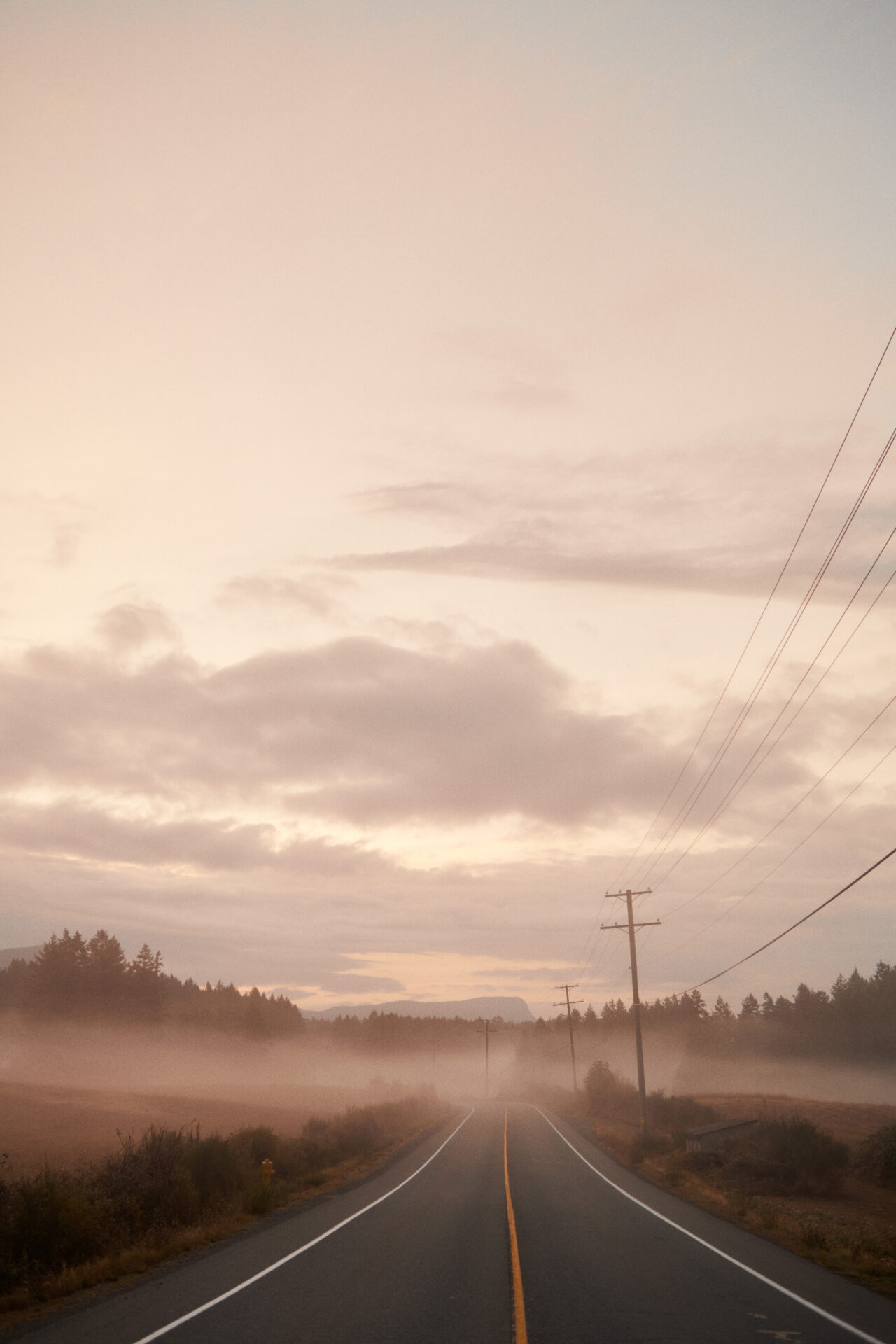
Every road carries the promise of somewhere new. By Ditte Isager