Designers (24)
Close
There is a kind of beauty that only time can compose.
It does not appear all at once, but gathers slowly —in the worn grain of wood, in the uneven breath of a limewashed wall, in the soft dulling of once-bright brass.
Time works with invisible tools: air, light, touch. What it leaves behind is not deterioration, but depth —a beauty inseparable from the life that has unfolded around it.
To live with time is to accept that nothing remains untouched.
Surfaces change, pigments fade, edges round. What was once new begins to tell a story —of use, of presence, of quiet endurance. The room becomes less about arrangement and more about atmosphere. Objects cease to perform; they begin to belong.
Axel Vervoordt has long spoken this language — spaces stripped back to their bones, where imperfection is not corrected but celebrated. In such rooms, silence carries weight. Light settles on stone as though remembering the hands that built it. You feel not design, but continuity —the calm of things left to evolve at their own rhythm.
There is another kind of stillness in the work of Rose Uniacke —a stillness that comes not from emptiness, but from trust. Her interiors breathe like open palms, where absence has meaning and each material, unvarnished and human, holds its own quiet dignity. You sense time there too, not as nostalgia, but as permission: to live, to fade, to rest.

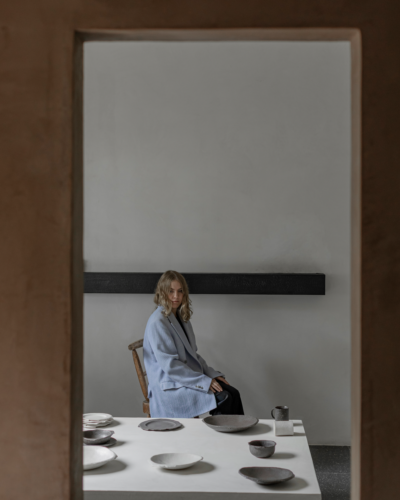
Rose Tarlow. Photographed by Miguel Flores Vianna

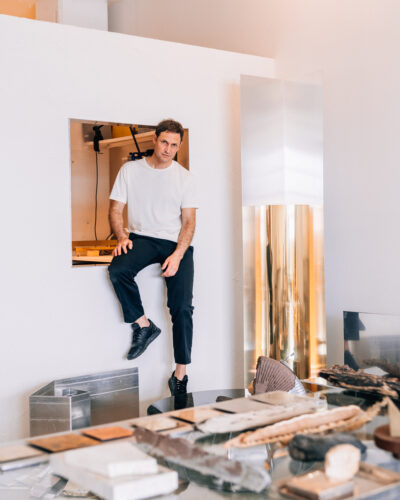
Axel Vervoordt Archives

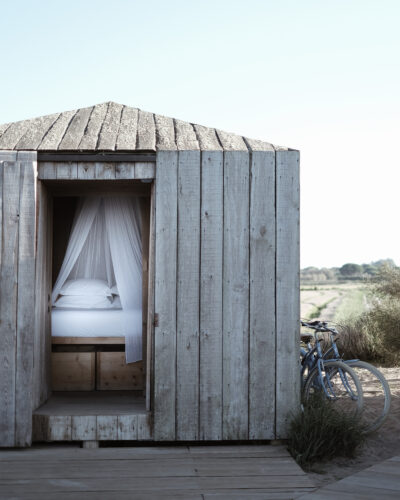
Bayt Yakan. Photographed By Alixe Lay
The materials that embody this truth are humble —plaster, oak, linen, stone.
They record what they have endured. A floor, polished by years of footsteps, reflects the movement of lives once lived above it. A wall bears the trace of a brush long dry. Even the air holds a memory — of laughter, of silence, of the day’s slow turning.
This is not design in pursuit of perfection. It is a kind of listening.
To allow a room to age is to relinquish control; to let beauty emerge in its own time. The modern instinct to preserve, to polish, to replace, denies this dialogue. Yet the deeper form of care lies not in preservation, but in patience —in the courage to let things be.
Patina is often mistaken for decay, but it is something else entirely: an index of life, a soft layering of time over matter. It reminds us that everything we touch —a table, a door, a piece of cloth —holds a trace of our being. Each mark is a memory. Each imperfection, a testament.

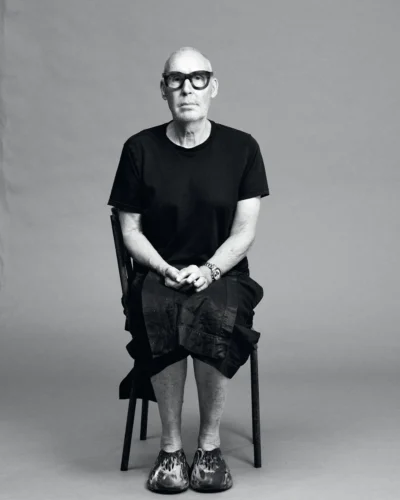
Vincenzo de Cotiis Archives

Vincenzo de Cotiis Archives
To live with time is therefore to live with honesty.
To accept the transient nature of beauty. To find harmony in the unfinished. To see, in every change, a form of grace.
Because beauty, at its most enduring, is not what resists time — but what welcomes it, gently, until the two become one and the same.

Numero Venti. Photographed byAlejandro Ramoroz

Casa Mezcla Archives