Designers (24)
Close
There is a particular calm that runs through Yosigo’s photographs — a stillness that seems to settle over swimming pools, promenades, holiday resorts, and seaside structures long after the last footprints have faded. What remains is a landscape emptied of noise yet charged with human presence, as if the echo of a summer afternoon were still vibrating in the air.
Born in San Sebastián, José Javier Serrano — known universally as Yosigo — first approached image-making through design. Structure, harmony, spacing: these were his earliest tools. Photography arrived gradually, as a way of holding onto the visual rituals around him. “Even as a child it was already central,” he recalls. “At first as a passion, later as the way I related to the world.” Over time, those instinctive captures of familiar beaches and leisure spaces grew into a language of their own.

Costa Brava by Yosigo
Leisure, in his work, is not just a theme, it is a social architecture. Pools, slides, umbrellas, promenades: all built to frame joy, yet strangely theatrical once emptied. What fascinates him is precisely this paradox. These places promise happiness, but that promise often dissolves the moment people leave. What remains is a stage without actors, and it is in that void that he finds emotional truth. The brightness becomes fragile. The optimism feels constructed. The fiction is exposed.
His compositions reflect this clarity. Years spent in graphic design left a lasting imprint, an instinct for balance, for clean lines, for organised space. Symmetry appears and then breaks. Horizons stretch into silence. Negative space takes on narrative weight. Even when he tries to loosen that structure, a refined order returns on its own. It is, he admits, simply part of him.

Lights and Waves of the Basque Coast by Yosigo

Colour, in his world, is never an afterthought. It is often the starting point. A flash of orange, a field of blue, a bleached pastel that stops him before he begins to frame. “They’re visual encounters,” he says. Light and colour guide his decisions more than any preconceived idea of subject. The palette of his hometown (sun and sea, orange and blue) has become a quiet signature that threads through distant locations.
Travel, once a primary source of visual stimulation, now shares space with a growing attention to the everyday. New places offer energy, novelty, fresh light. Familiar places demand a slower gaze, a different kind of openness. He has learned that if a journey produces the images he expected before arriving, then something has gone wrong; the work must emerge from the place itself, not from anticipation.
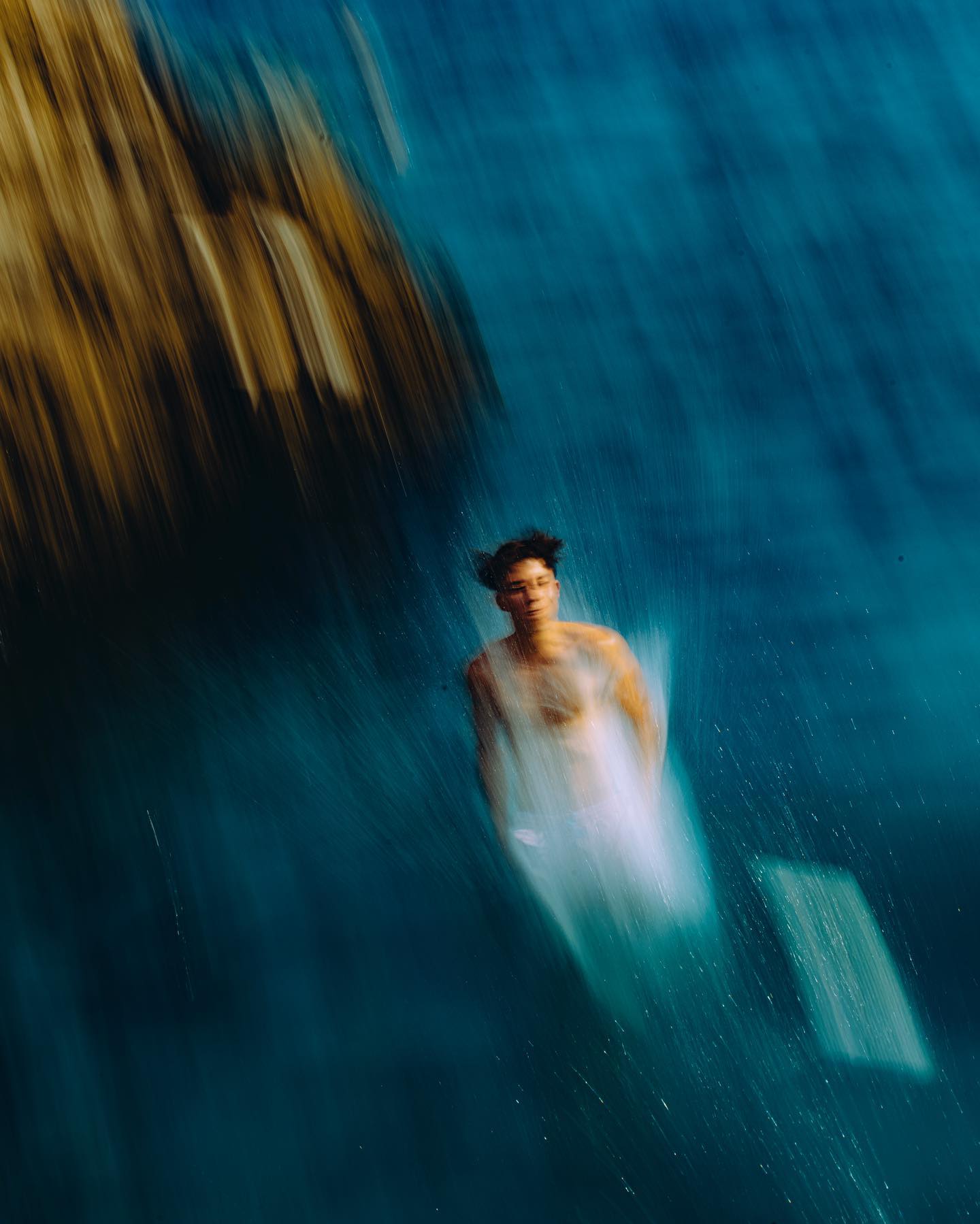

Menorca by Yosigo

The absence of figures, the emptiness so associated with his images, is not a stylistic device but a way of clarifying the landscape. Without people, the environment speaks more plainly. Human presence becomes a trace instead of an event: a shadow, a chair, a path through sand. Paradoxically, removing the figure intensifies the imagination of the viewer; we step into the scene ourselves.
Across personal projects, exhibitions, and commercial collaborations, his relationship to work has shifted. Early commissions provided momentum but left him craving the freedom of personal exploration. Later, as those personal series gained visibility — especially the images of La Concha beach that quietly marked a turning point — the balance reversed. Commercial work became a source of renewed energy, a way of bringing other visions to life while protecting his own.


Lights and Waves of the Basque Coast by Yosigo
His devotion to photobooks reflects that same desire for depth and permanence. Co-founding Have a Nice Book allowed him to merge photography with his background in editorial design. The book, to him, remains the definitive form. An object where sequence, silence, pacing, and decision all converge. Exhibitions can astonish, and digital platforms can expand audiences, but a book endures; it is a world one can return to.
Influences shift, as they do for any artist, but the foundations remain: the early American colour photographers who first amazed him — Stephen Shore, William Eggleston — not for their subject matter, but for their ability to turn the ordinary into something charged with emotion and attention.
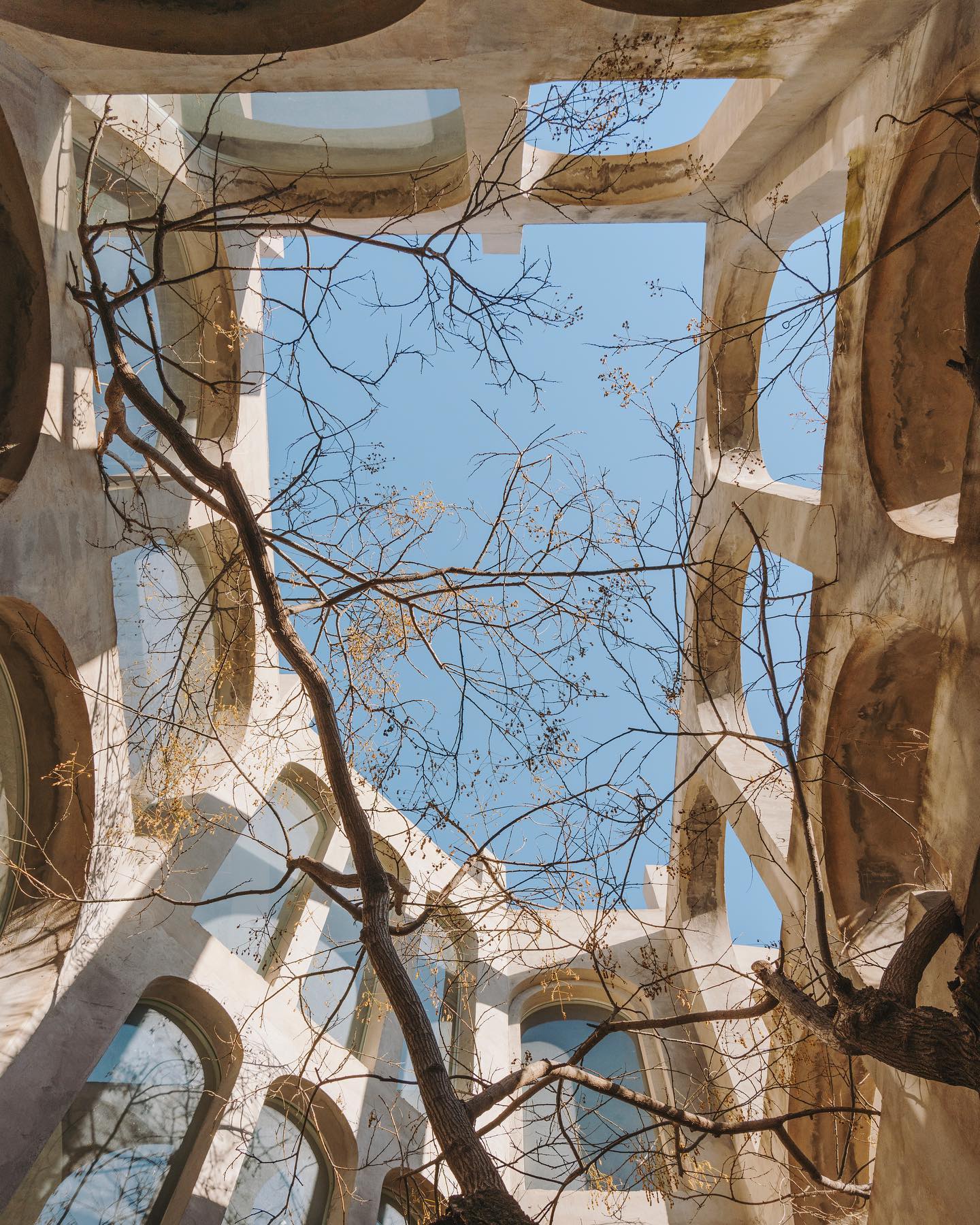
Corbero by Yosigo
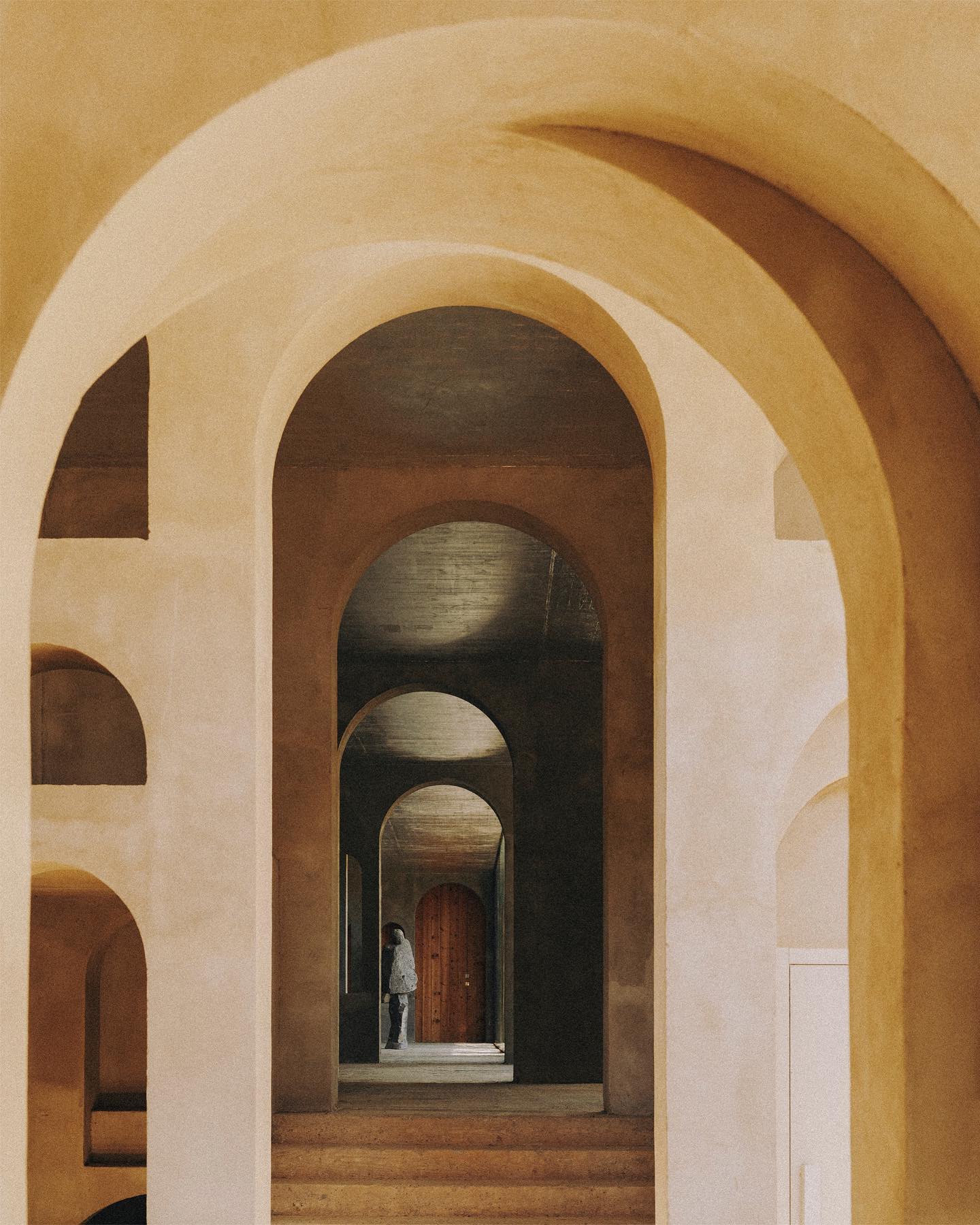
Esplugues de Llobregat by Yosigo

Ursula III by Yosigo
Looking ahead, his eye is turning toward slower processes: film photography, tactile experimentation, and the possibility of working with 16mm. A medium that feels like an organic extension of his still images. Movement, grain, time: all elements that could open a new chapter while preserving the essence of his gaze.
What he hopes viewers take away is simple. Not a lesson or a message, but a feeling. A memory that may not belong to them yet feels strangely familiar. A hint of warmth, perhaps a little melancholy. A reminder that the spaces built for joy can reveal something more fragile, and more enduring, when the crowds drift away.
In the quiet of those in-between moments, the world of Yosigo continues to unfold. Patient, attentive, luminous.