Designers (24)
Close
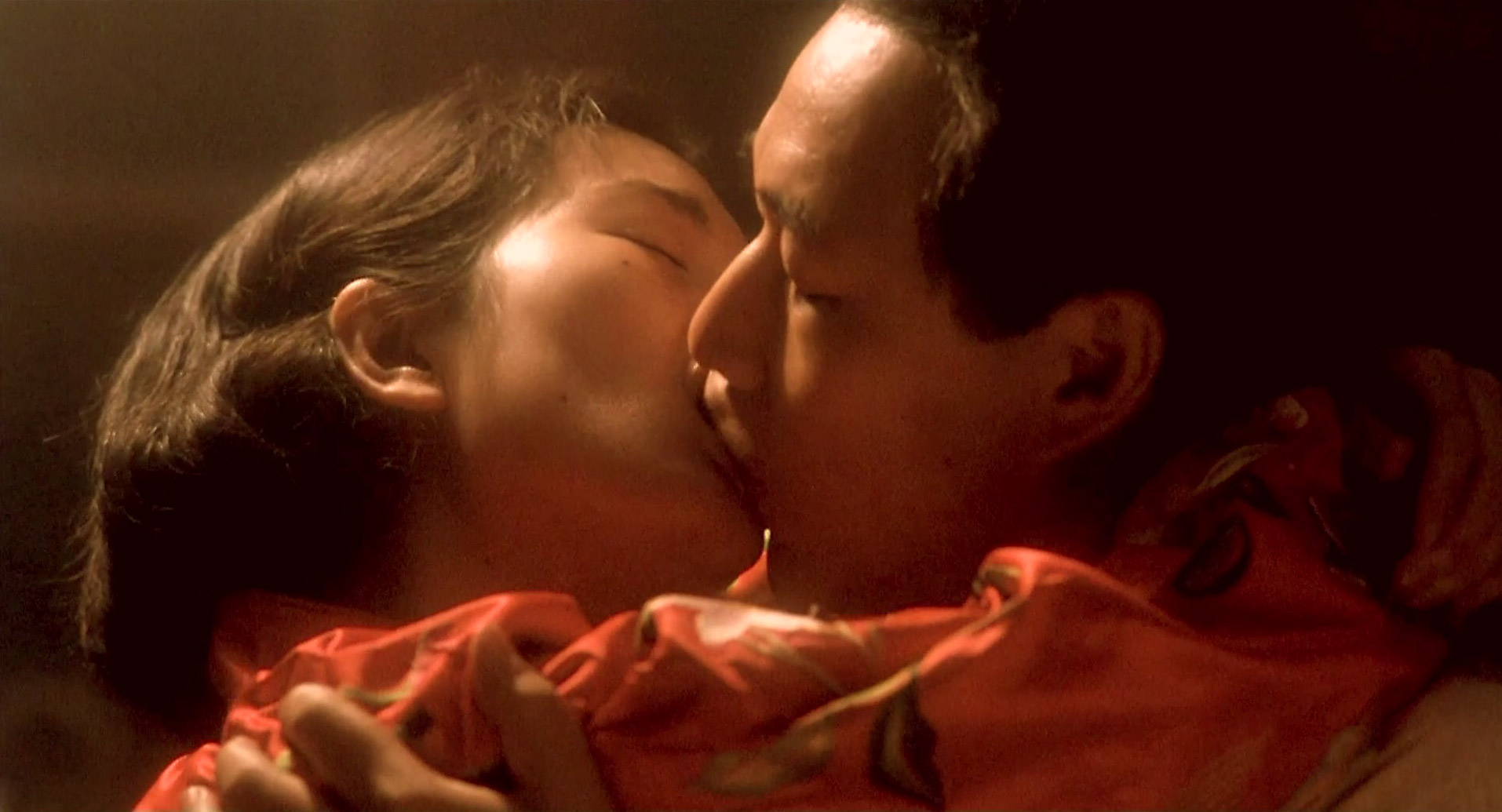
Under a quiet autumn sky in Beijing, I found myself drifting into a memory—one woven from the delicate threads of history, art, and longing. In a modest screening room with soft lamplight and the faint murmur of an audience, Chen Kaige’s 1993 masterpiece, Farewell My Concubine, unfolded like an intimate, bittersweet confession.
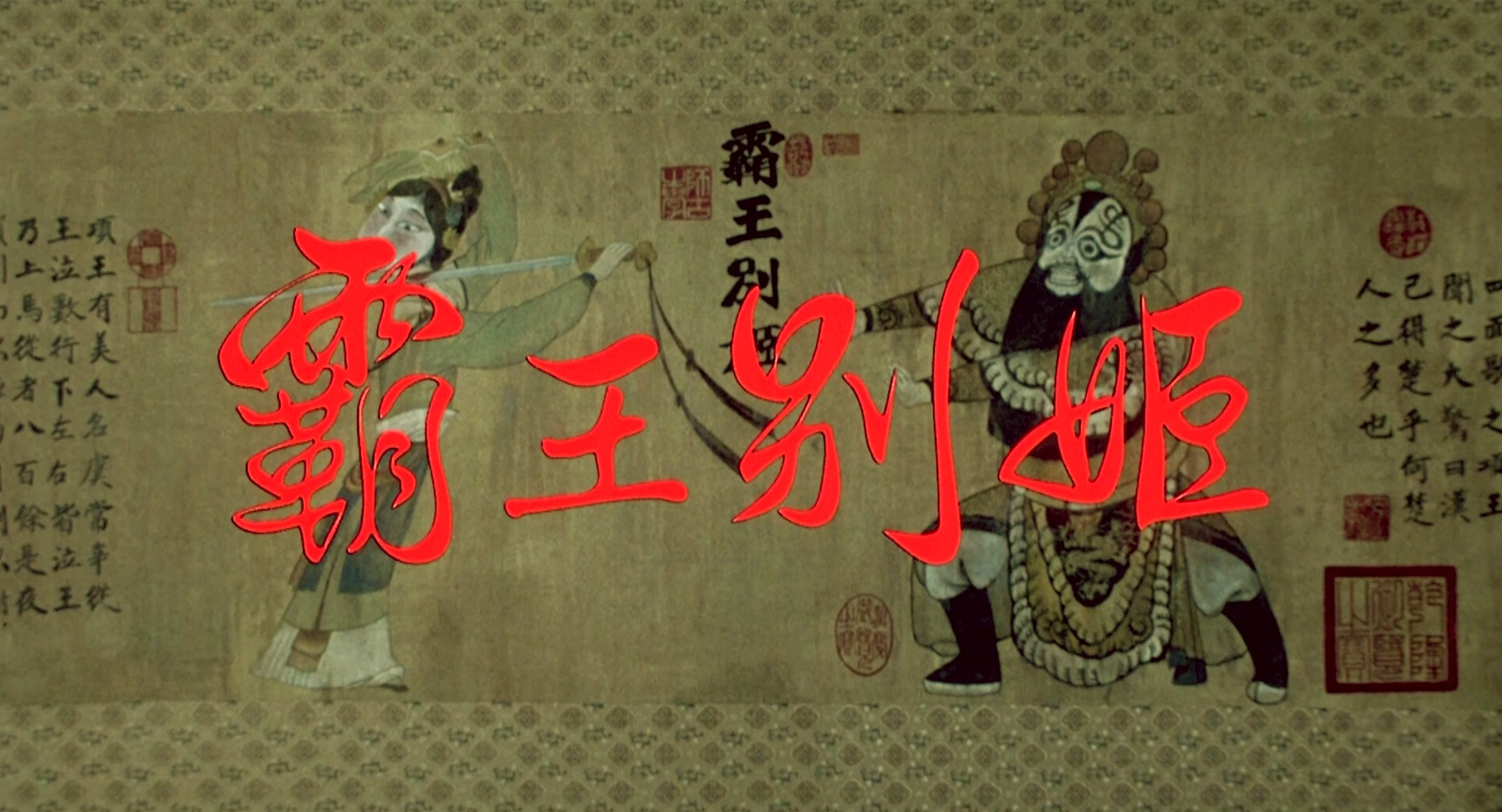
In this cinematic reverie, the lives of two Peking opera actors, Cheng Dieyi and Duan Xiaolou, intertwine in a performance that transcends the stage. Dieyi, whose very soul is captured in the role of the concubine, dances along the fragile edge of unspoken devotion, while Xiaolou, embodying a regal king, bears the weight of duty and desire. Their bond, tender yet fraught with a tragic undercurrent, is further complicated by the quiet strength of Juxian—a woman who, through her resilience, reshapes the contours of both men’s destinies.
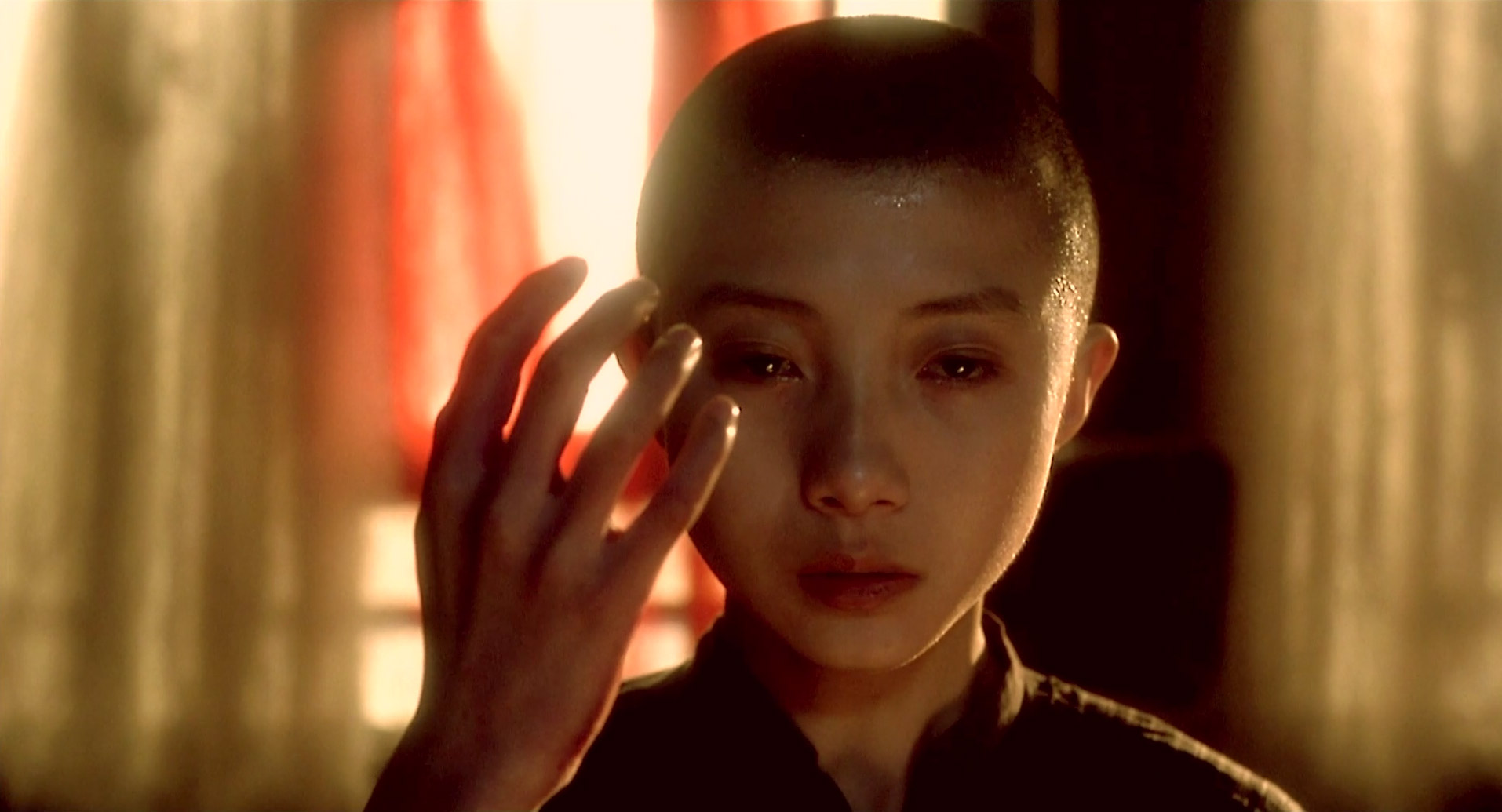
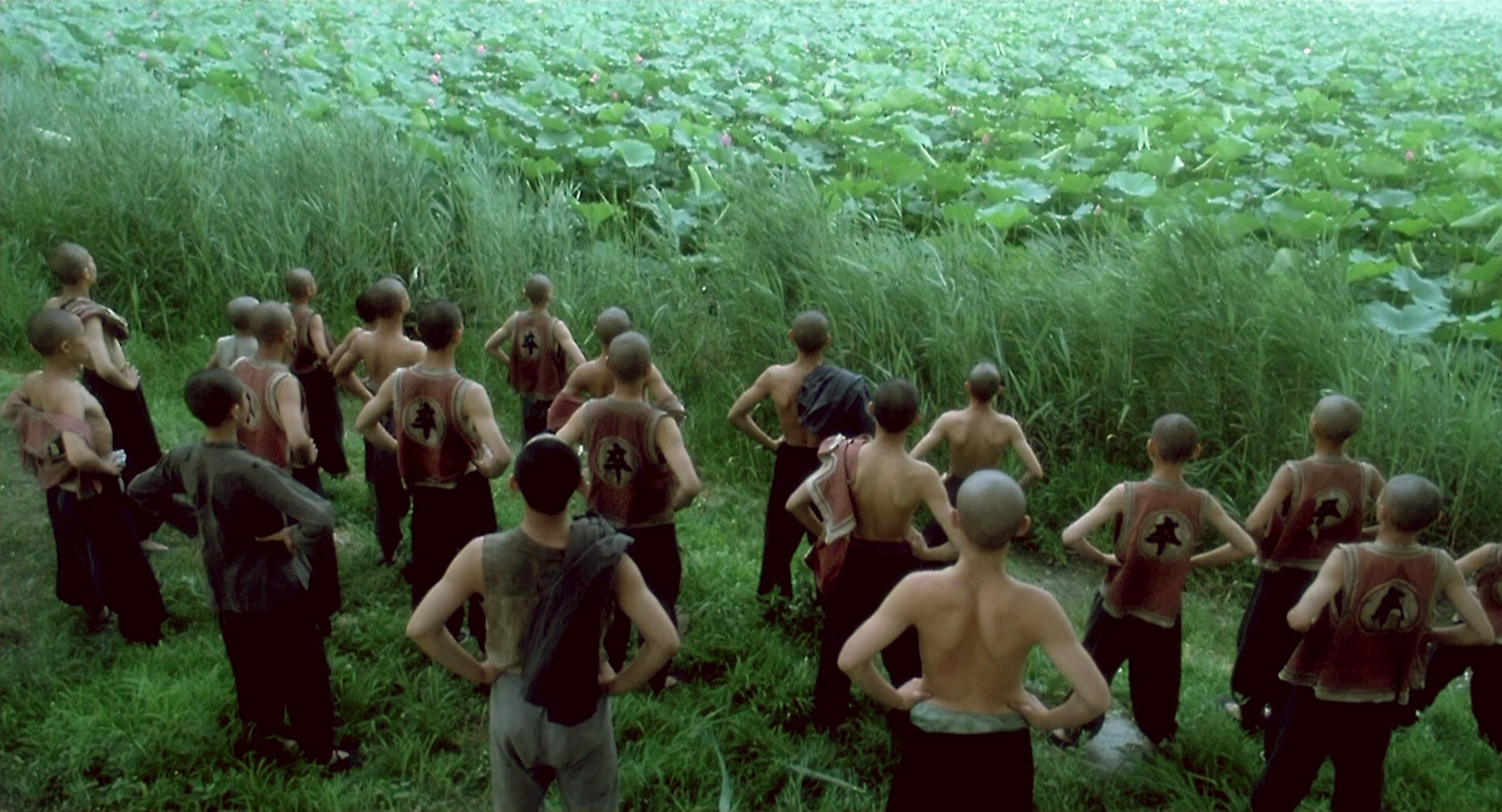
The film’s sumptuous visuals—vivid costumes, ornate sets, and a palette that recalls a time when art was life’s only language—transport you to an era where every gesture on stage mirrors the silent struggles beyond it. Here, beauty and melancholy exist in a fragile equilibrium, each scene a delicate reminder of how the personal and the political are inextricably linked.
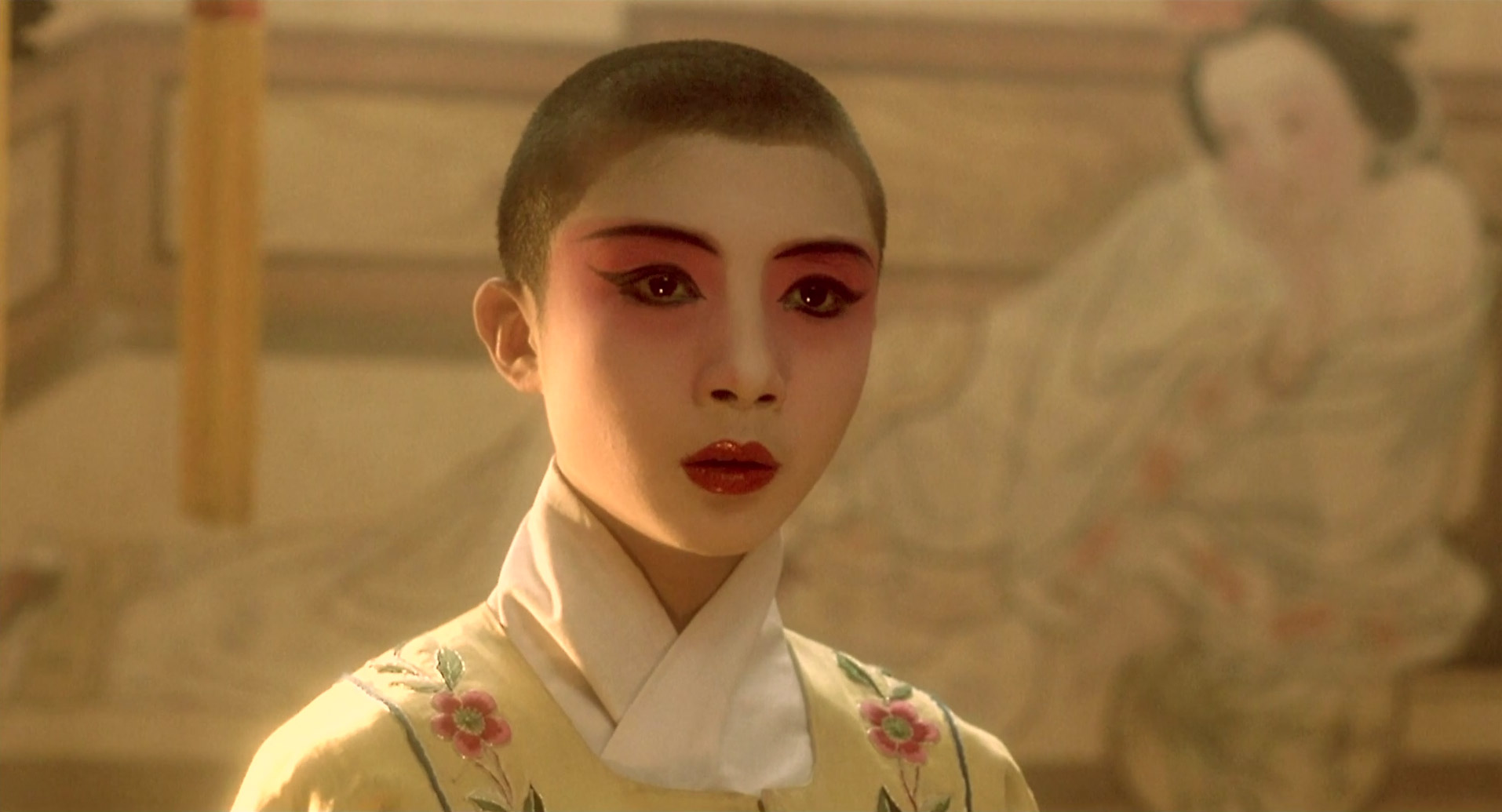
Spanning five tumultuous decades—from the rebellious spirit of the 1920s to the ruthless fervor of the Cultural Revolution—Farewell My Concubine is not merely a recounting of history, but a vivid tapestry where political upheaval and personal betrayal are in constant dialogue. In Dieyi’s every gesture and whispered lament, one witnesses the echoes of a nation’s sorrow and hope, the relentless passage of time leaving its indelible mark on both art and life.
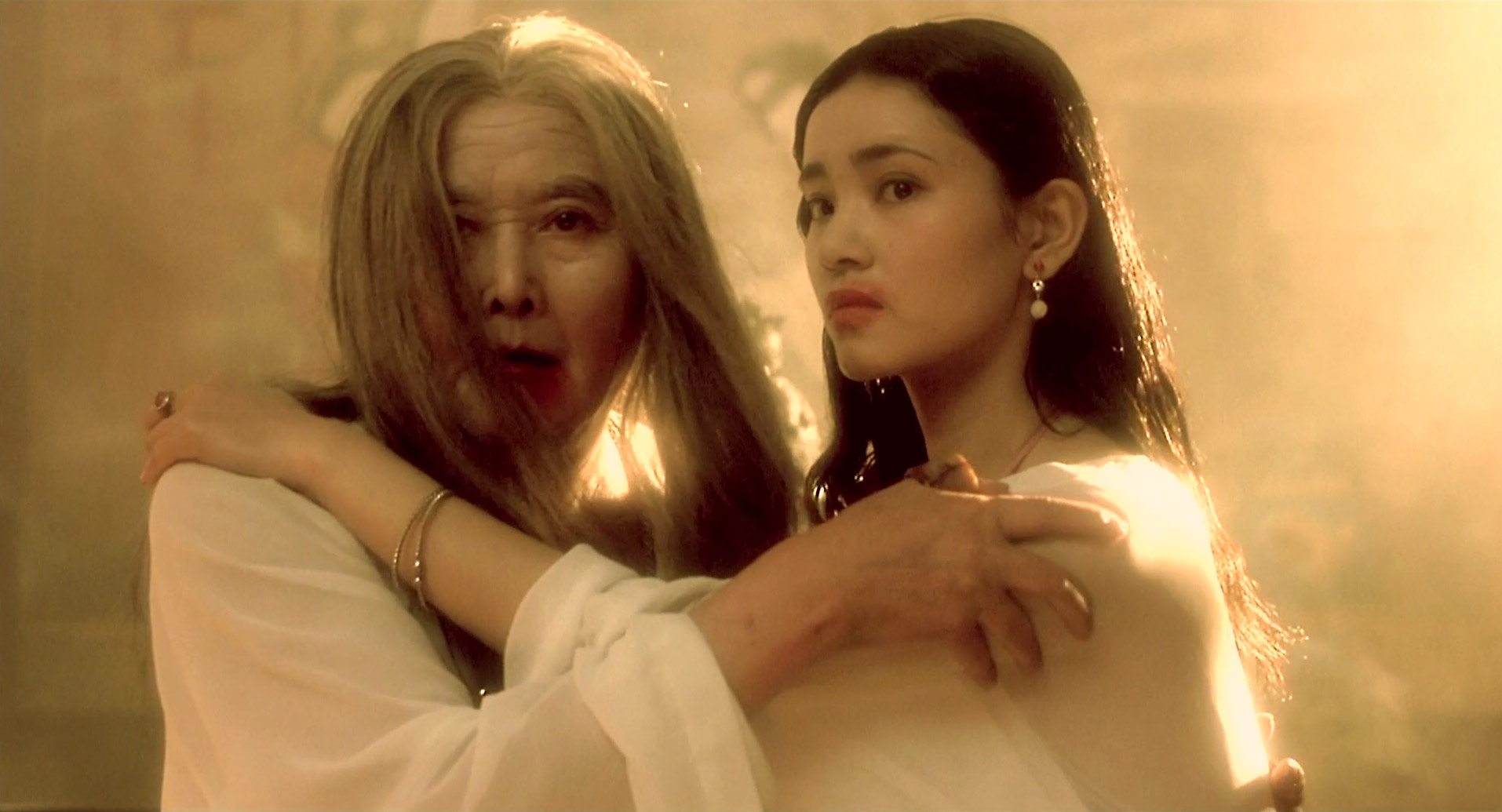
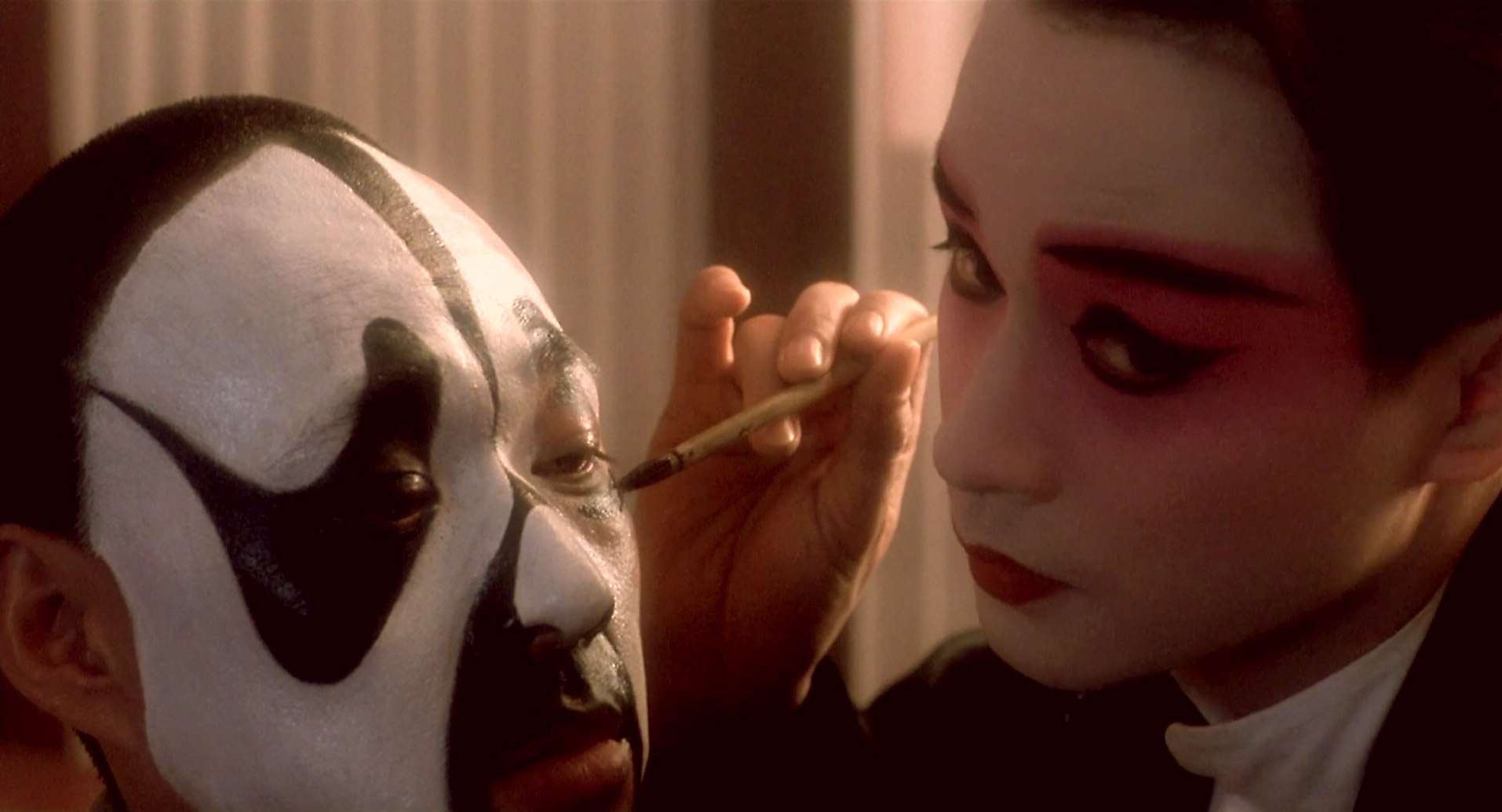
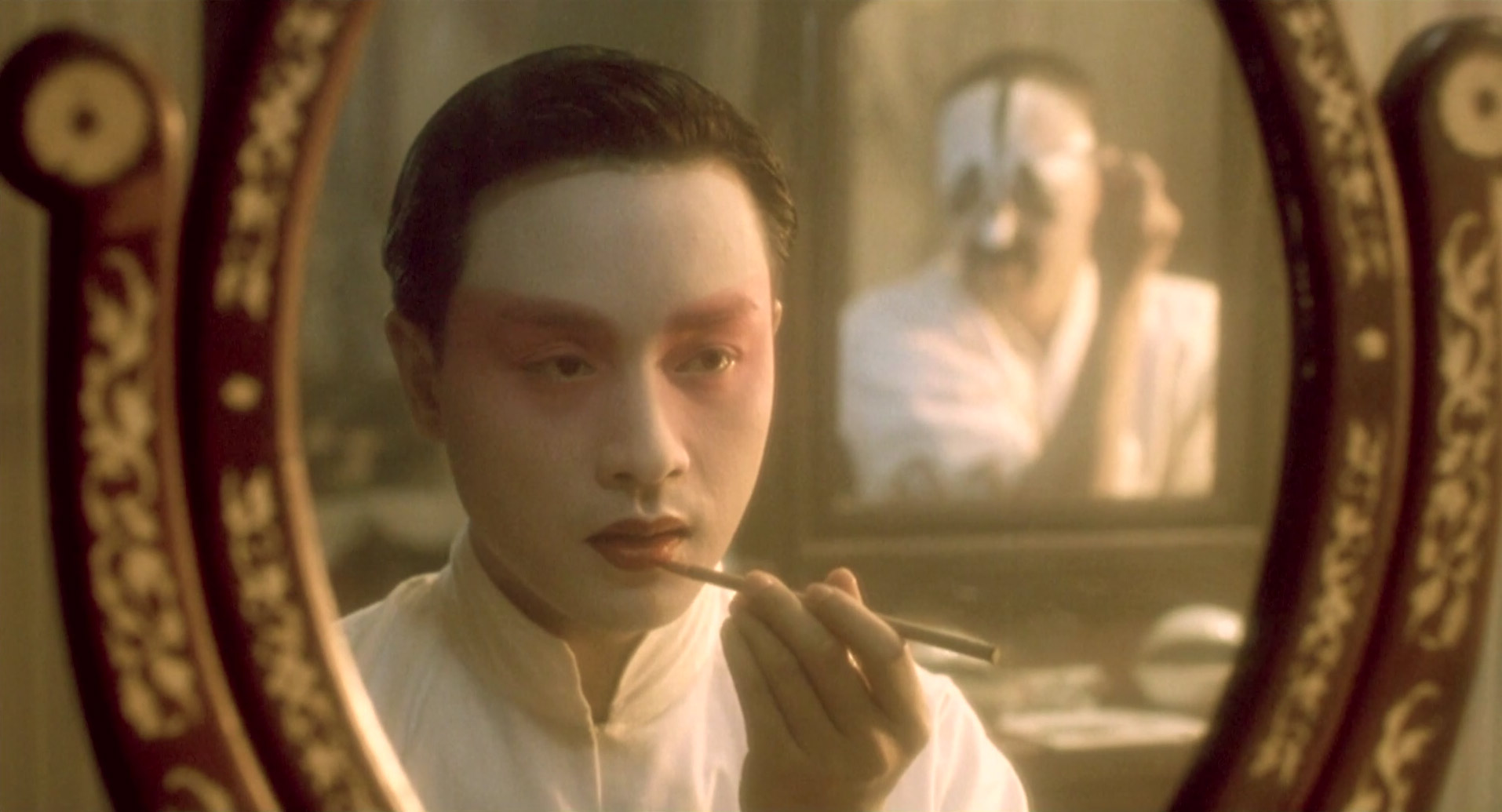
Leslie Cheung’s portrayal of Dieyi is nothing short of mesmerizing—a performance imbued with a gentle yet profound vulnerability that speaks to the sacrifices demanded by both his art and the era he inhabits. Alongside him, Zhang Fengyi’s Duan Xiaolou grapples with conflicting loyalties—a man ensnared between the bonds of friendship and the call of convention—while Gong Li’s Juxian emerges with quiet dignity, a beacon of resilience amid the tempest of change.
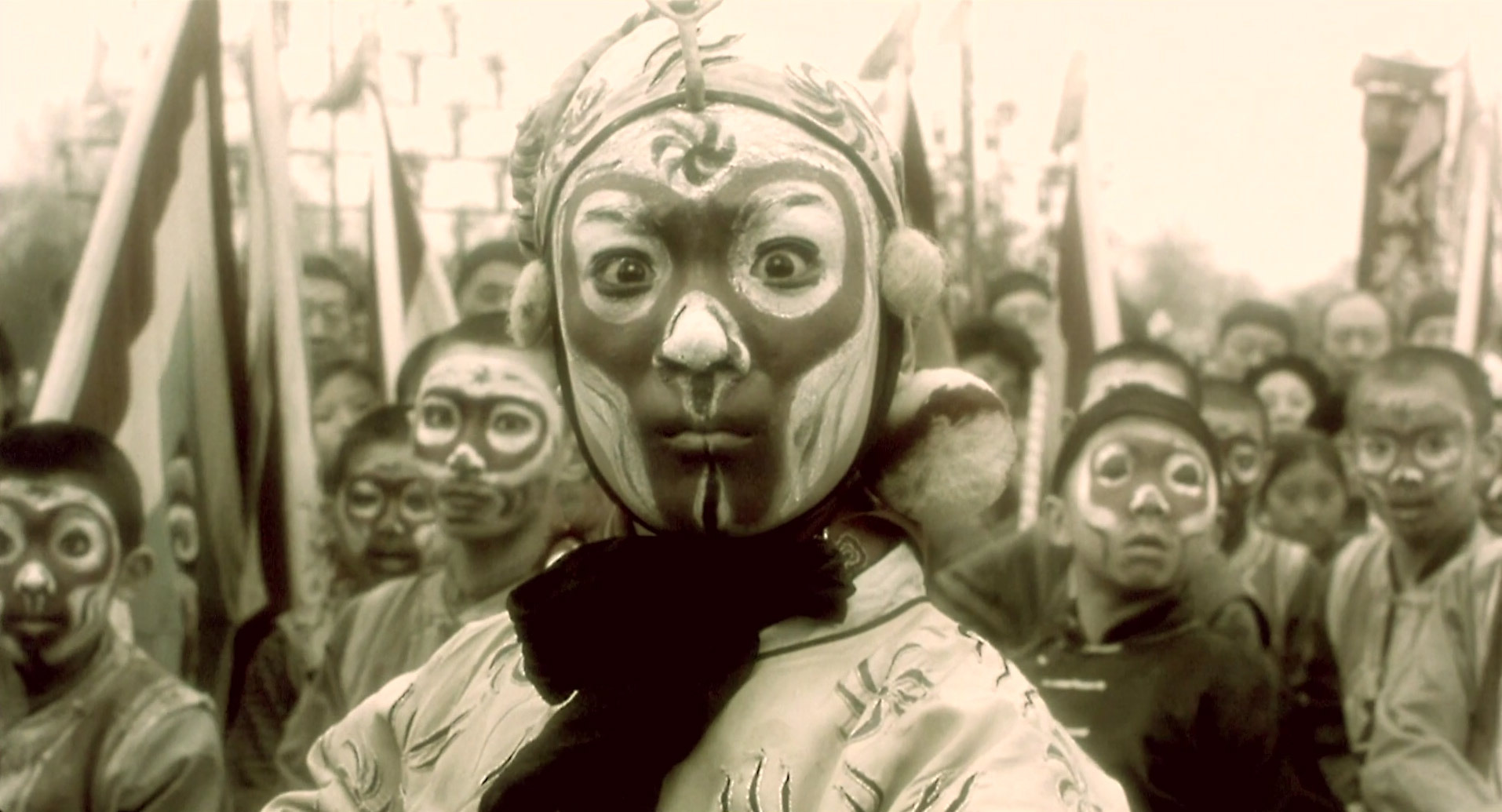
At its core, the opera that lends its name to the film serves as a metaphor—a recurring refrain that echoes the themes of loyalty, sacrifice, and the eternal quest for identity. The tragic tale of the concubine and the king mirrors the actors’ own hearts, reminding us that in the interplay of light and shadow, art and life are inseparable companions.
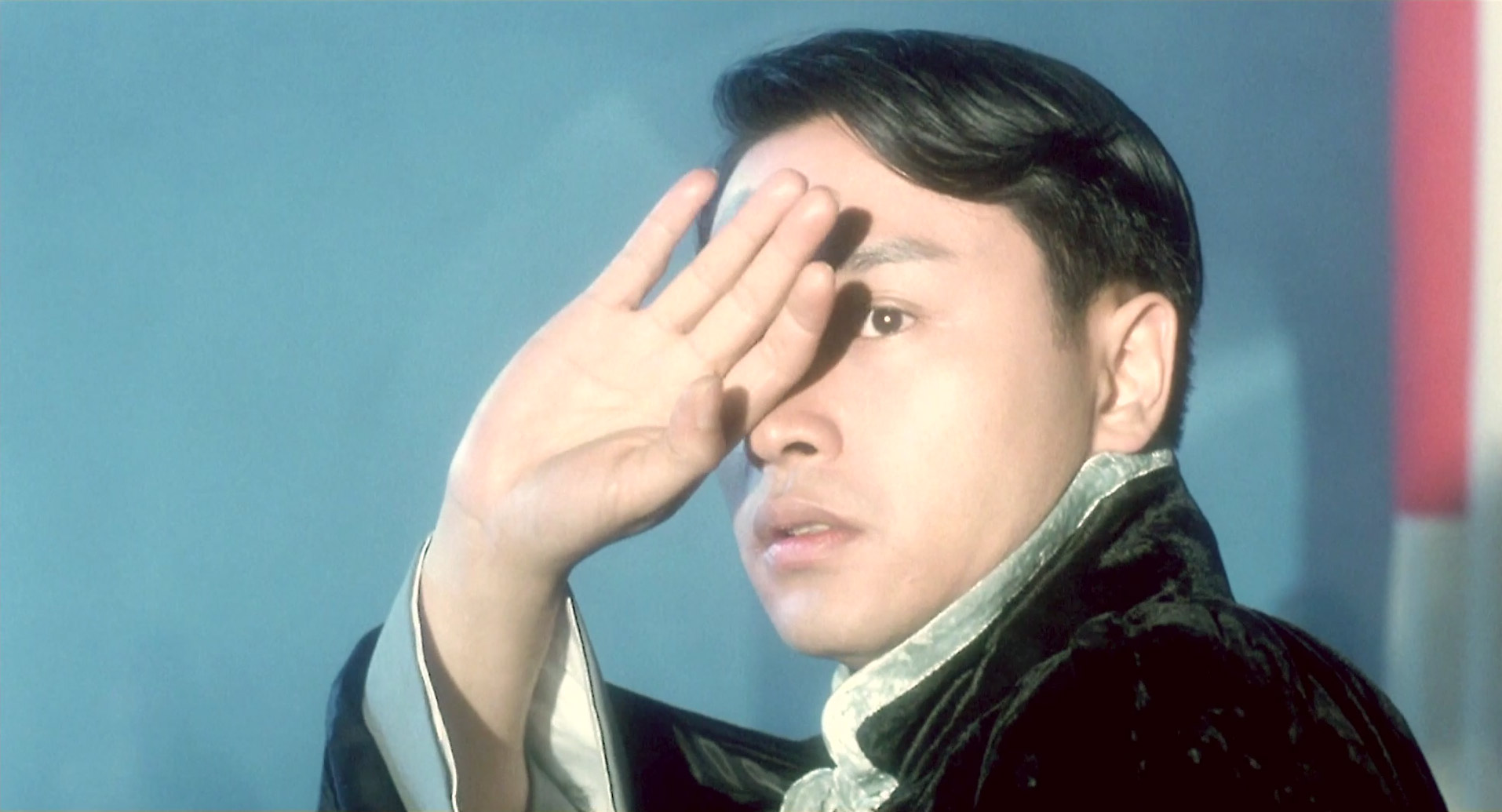
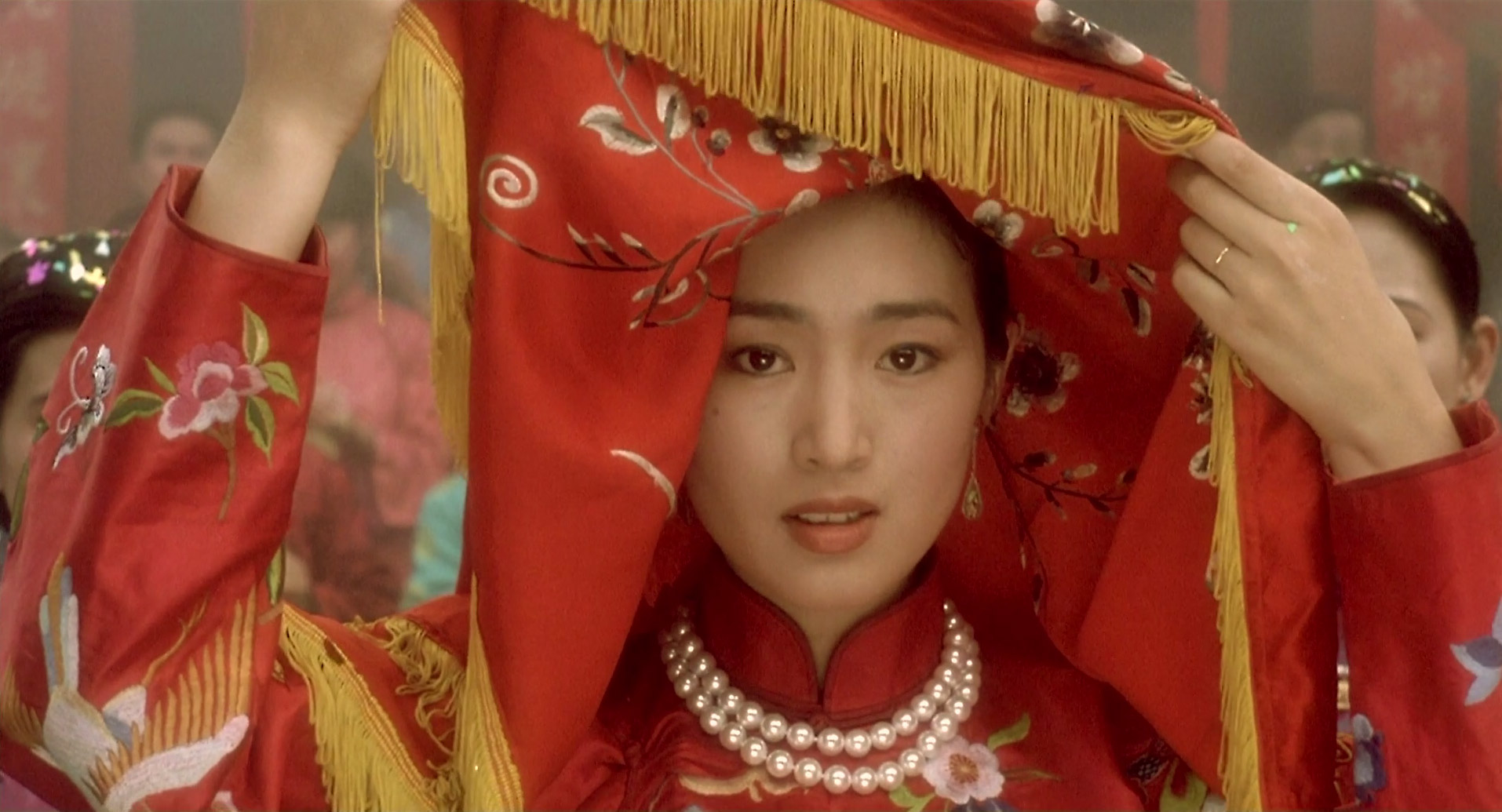
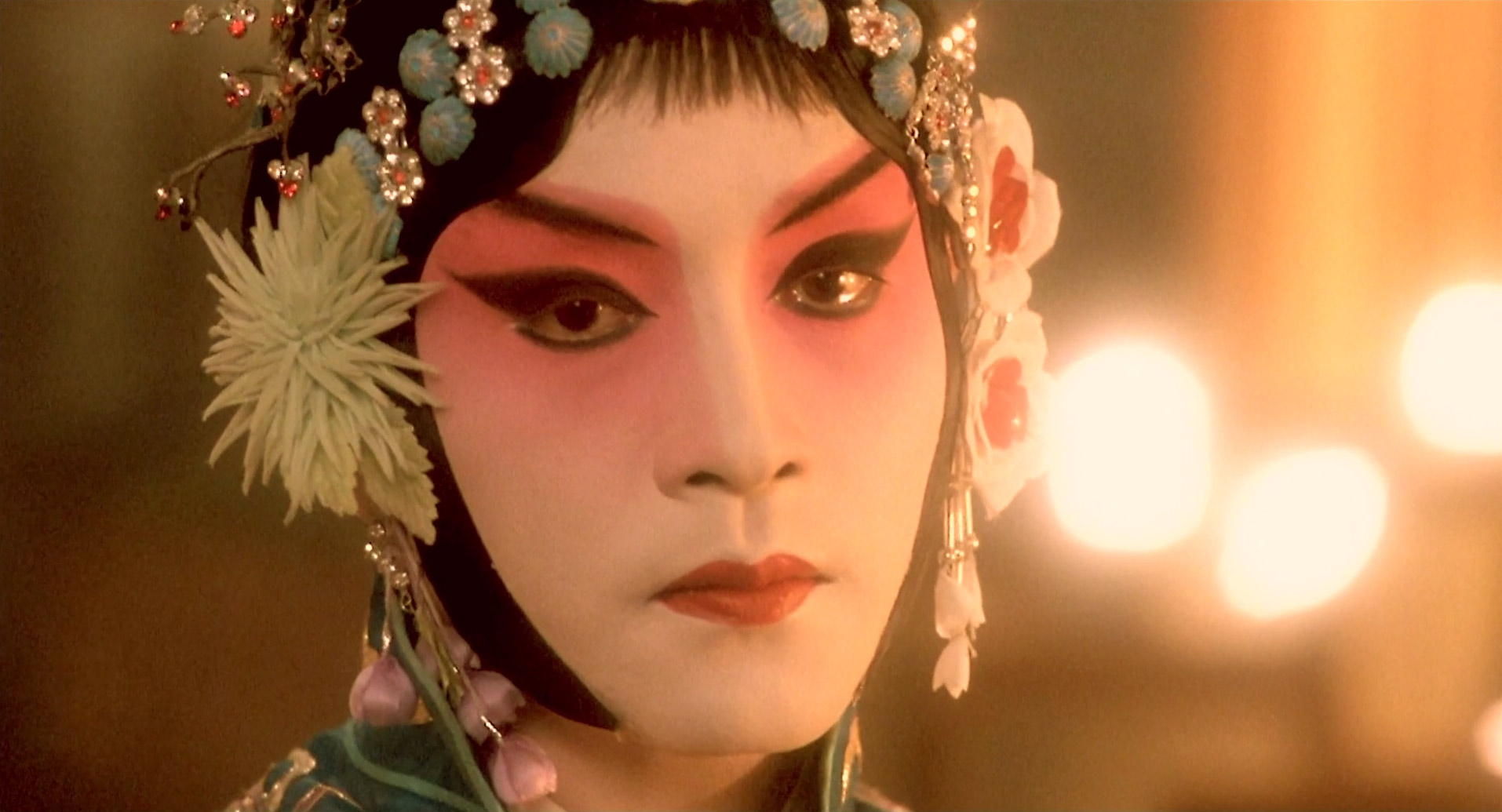
Today, as the film’s legacy endures through hushed conversations and reflective moments in art houses around the world, one cannot help but be moved by its timeless elegance. Farewell My Concubine is not just a film—it is an enduring testament to the power of beauty and the quiet strength of the human spirit, whispering softly to all who dare to remember that even in the midst of despair, art remains a gentle, persistent light.