Designers (24)
Close
Alixe Lay’s photographs carry a quiet clarity. There is a sense of arrival in them, as if the moment has been waiting for the viewer all along. “That feeling of wonder, of seeing something for the first time, is something I’ve always wanted to hold on to,” she says.
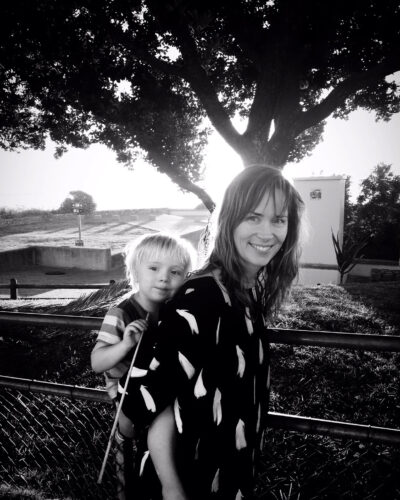
That desire traces back to a single image: a photograph she took in 2014 while travelling through rural Vietnam-a young boy carrying his sister on his back. “It was my first time in a place where life looked and felt so different from what I’d known growing up. That image shifted something in me.” The encounter sparked a need to see more of the world-not just its surface, but the lives, rhythms, and cultures beyond her own. It was, she says, the first time photography felt essential.
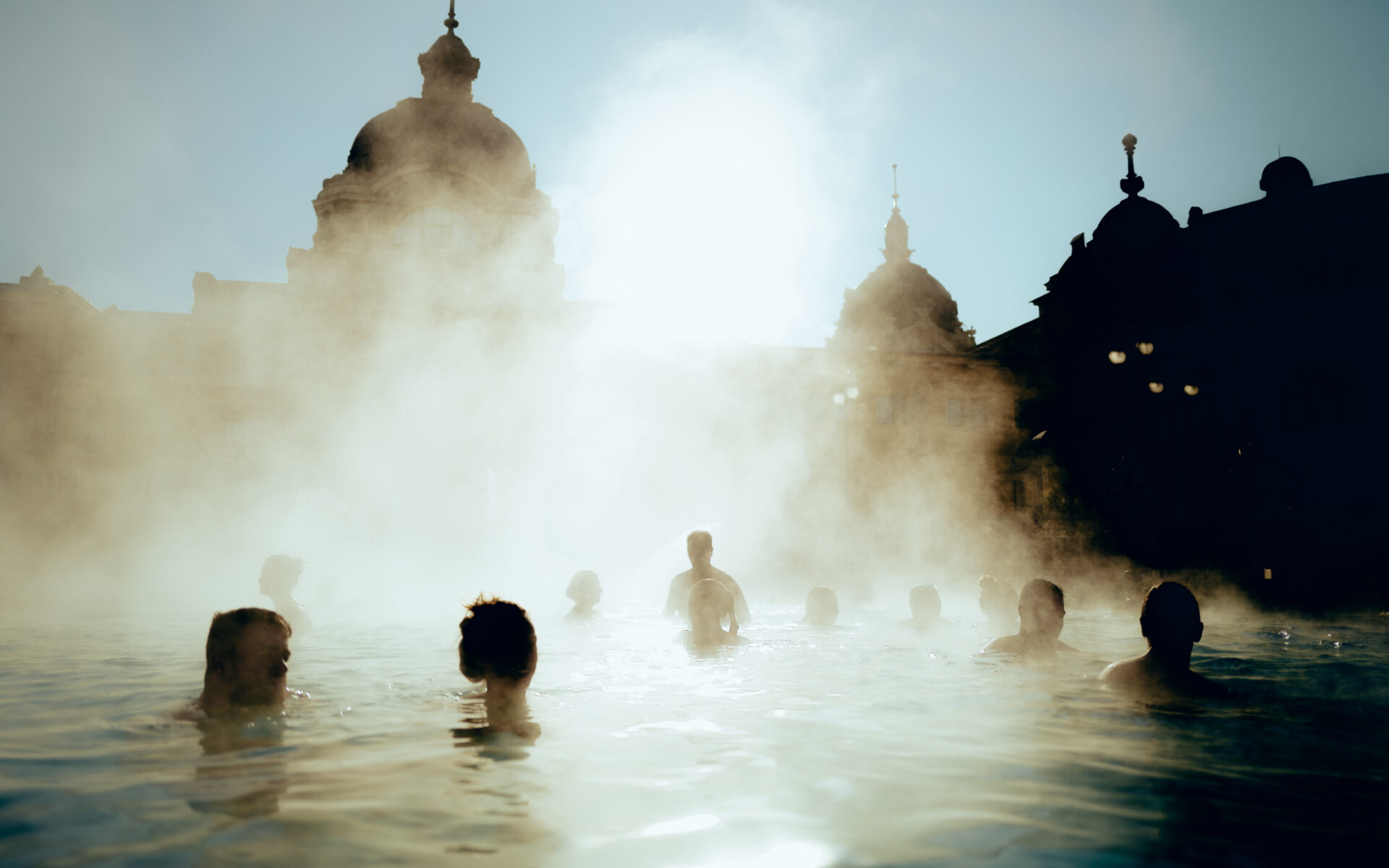
Steam rises on a winter day at Széchenyi Thermal Bath, Budapest
Born in Hong Kong and now based in London, Lay was first drawn to photography when she received her first DSLR as a teenager-a birthday gift from her parents. “I was photographing everything: my friends, the light in my room, objects on the street. It was about learning how to see, and how to decide what was worth keeping.”
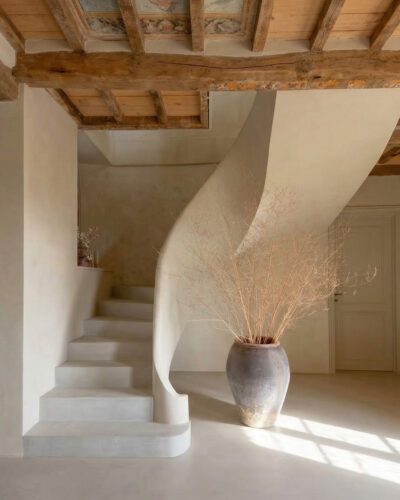
Her images often feel cinematic yet unhurried. Scenes are stripped to their essentials, allowing light, texture, and shadow to carry the story. The choice of what to leave out is as deliberate as what remains. She credits much of this sensibility to her studies in architecture. “Architecture taught me patience. You have to spend time with a space, understand how light moves through it during the day, and consider how people inhabit it. That way of observing stayed with me — it taught me to see beyond the obvious.”
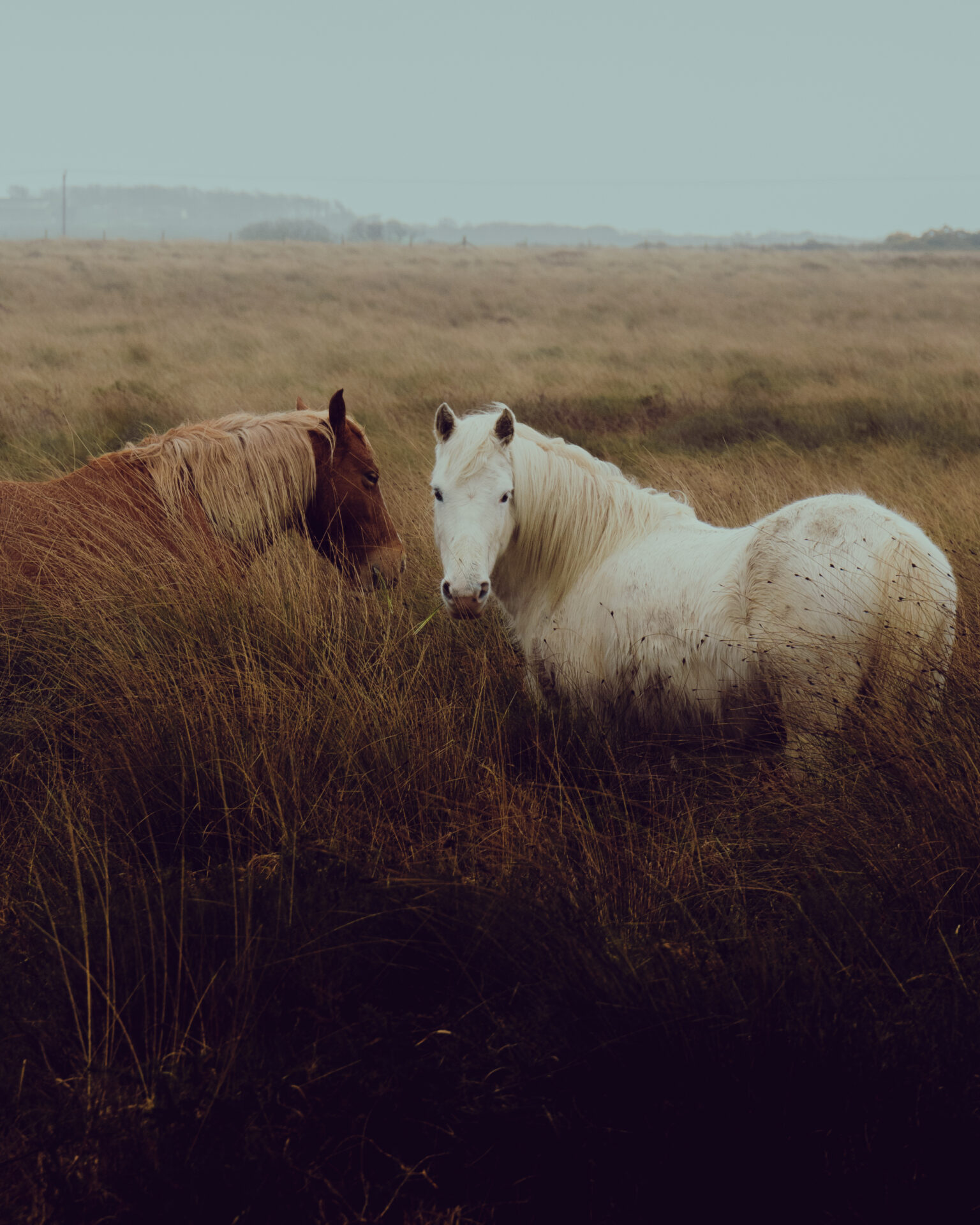
Wild horses seen in Cornwall, England
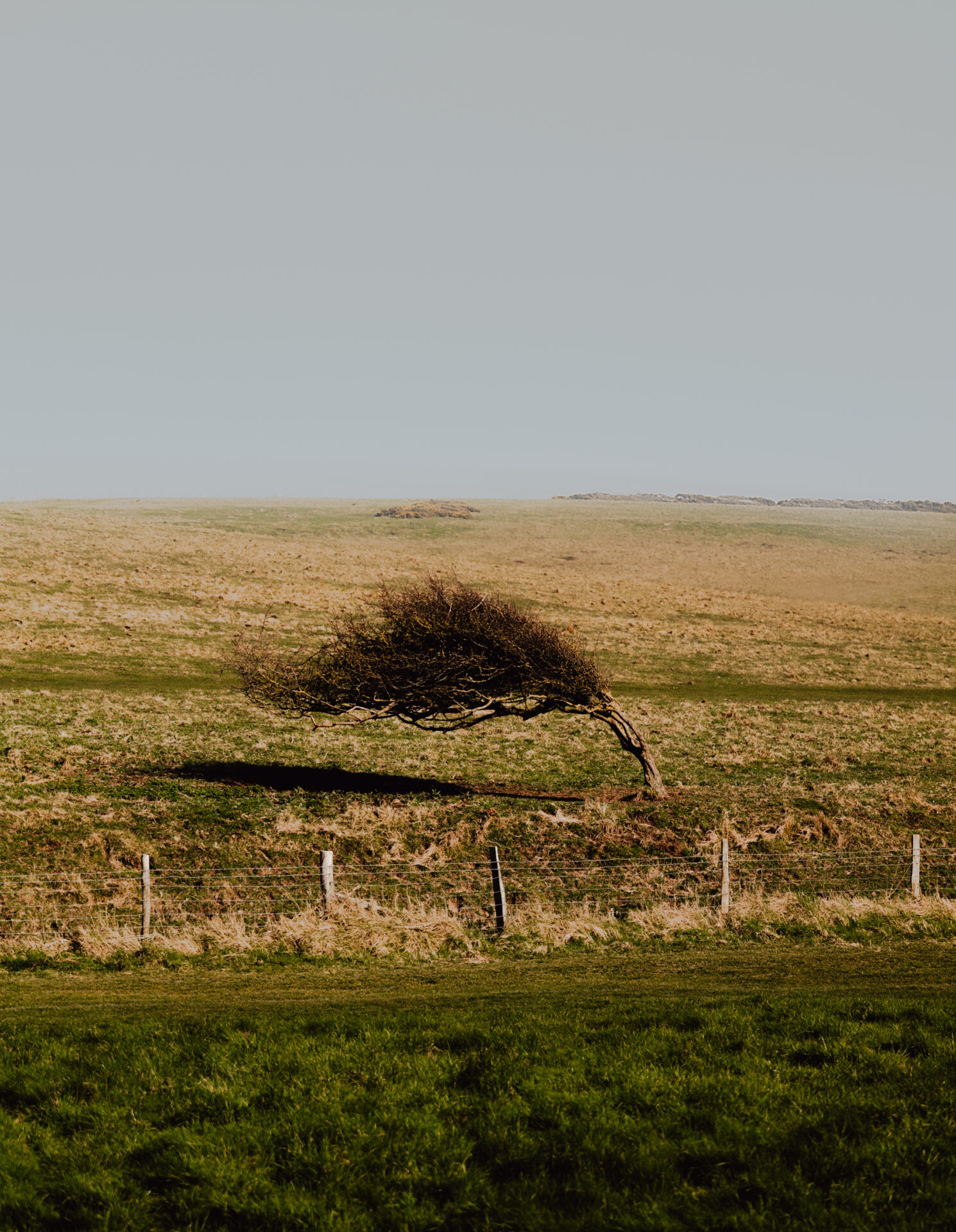
Lone tree at Seven Sisters Cliff, England
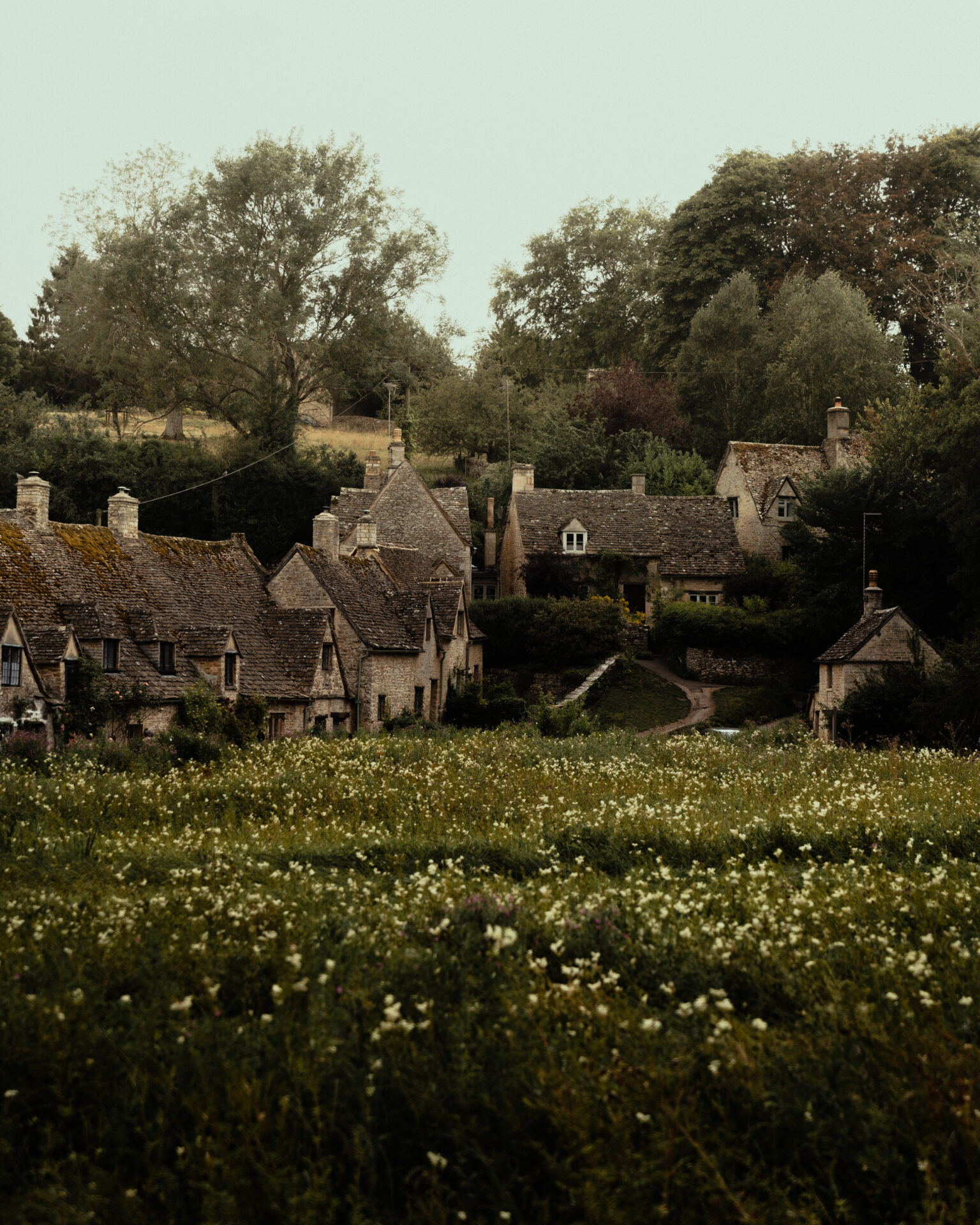
Bibury, a village in the Cotswolds
Travel has been equally formative. Residencies and assignments have taken her to remote coastal towns, sprawling megacities, and quiet rural landscapes. Each location offers its own vocabulary of light and form. “Some places reveal themselves immediately; others take time to understand. I like both kinds of encounters, but the slower ones often leave the deeper impression.”
Her process begins with walking. Lay will often spend hours in a location without taking a single photograph, allowing herself to adjust to its rhythm. This deliberate pace makes her more attuned to subtle changes: the way morning mist softens a line of trees, how late afternoon light pools in the corner of a room, the moment just before a shadow disappears. “By the time I start photographing, I already know what I’m looking for-or at least what I want to feel when I look through the viewfinder.”
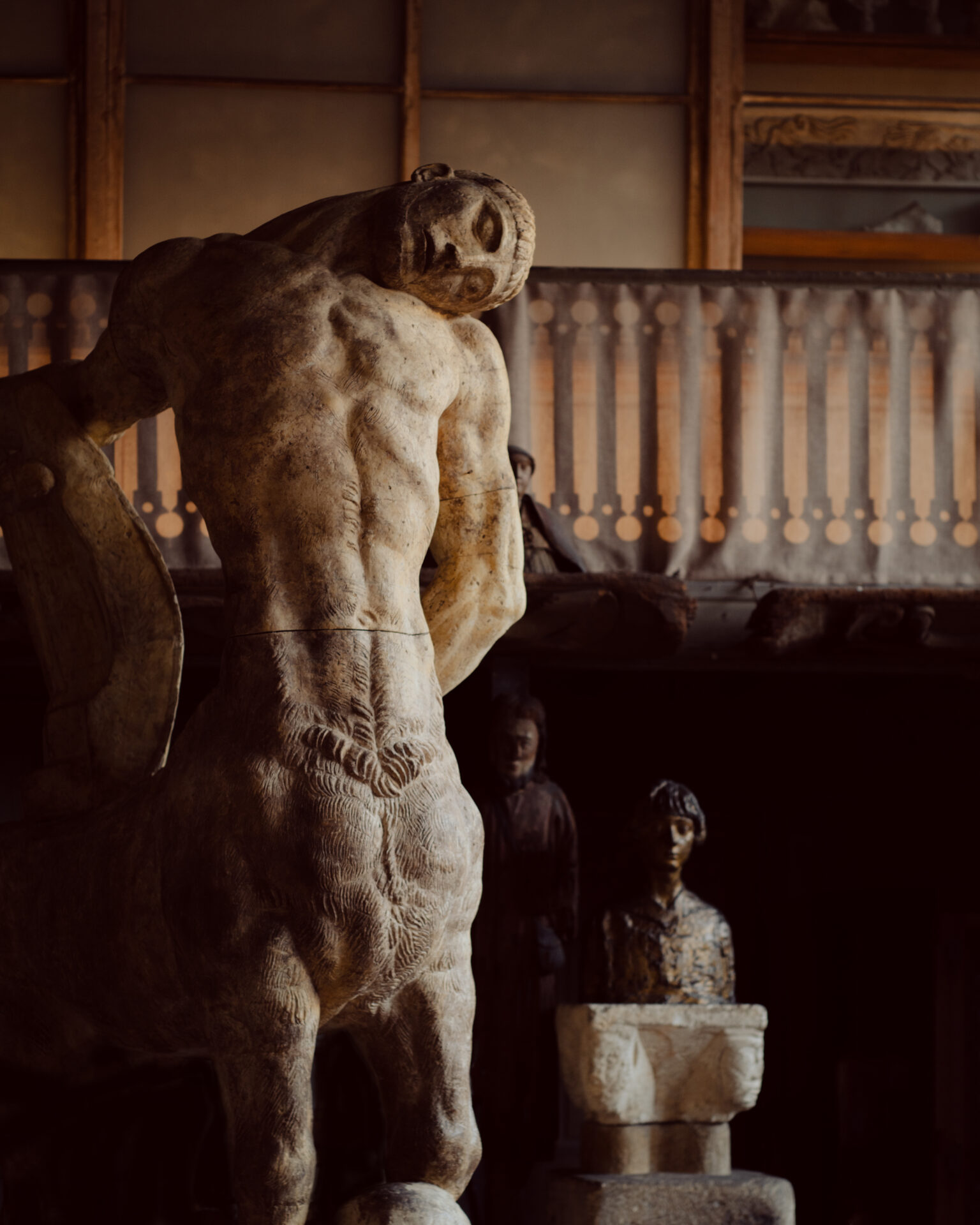
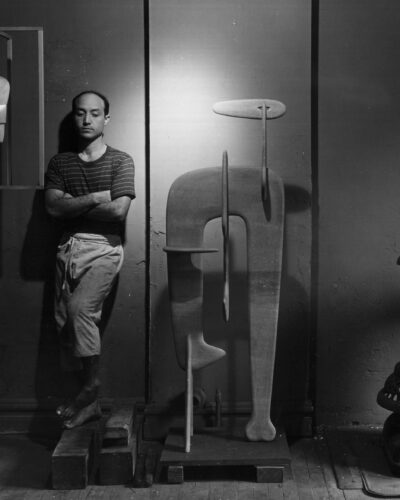
Sculptures at Musée Bourdelle, Paris
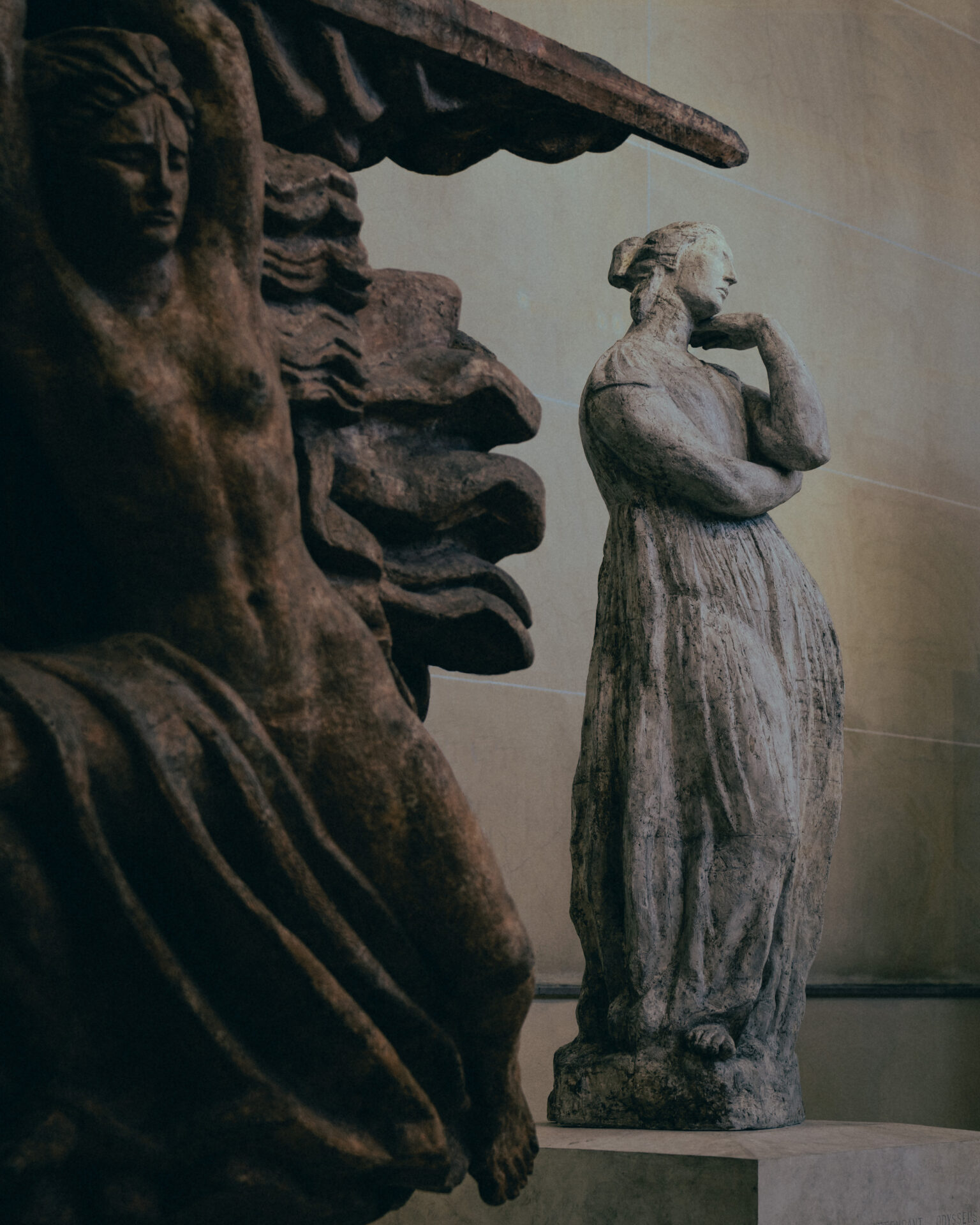
Sculptures at Musée Bourdelle, Paris
Light is more than a technical consideration for her; it is a subject in itself. She watches how it bends around corners, diffuses through sheer curtains, or glances off the surface of still water. “Light transforms everything,” she says. “It changes the meaning of a space in an instant.”
This attentiveness extends to the human presence in her work. People, when they appear, are rarely posed. They are often caught mid-gesture: leaning into shadow, pausing at the edge of a doorway, framed against a horizon. “I think of them as part of the environment rather than separate from it,” she explains. “The way someone’s posture mirrors the curve of a wall, or how their movement disturbs the stillness-those connections matter to me.”
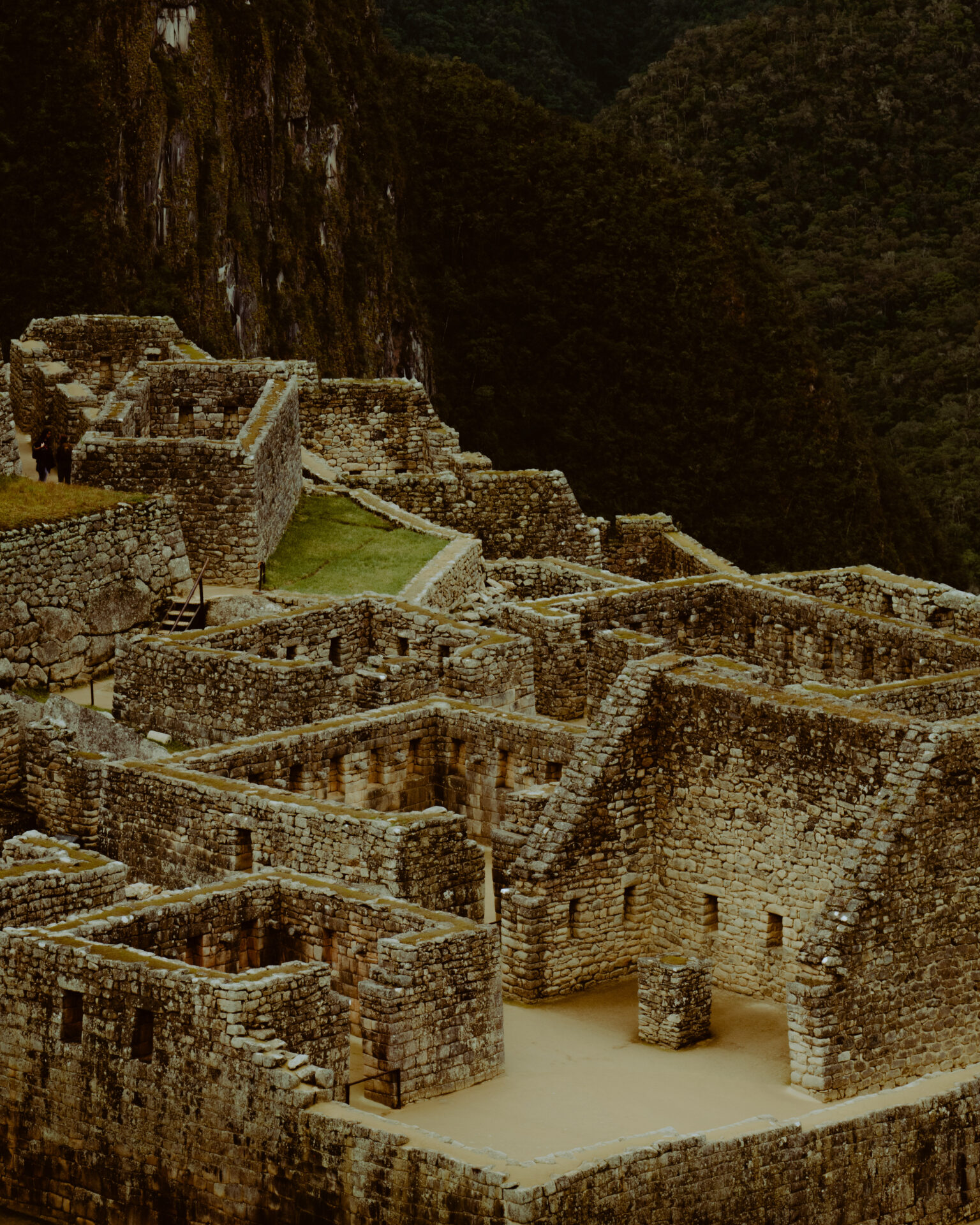
Ancient ruins at Machu Picchu
Her images balance stillness and motion. A curtain sways in a breeze, a shoreline shifts with the tide, a shaft of sunlight fades from a wall. “Stillness isn’t the absence of movement,” she reflects. “It’s a moment when all the elements are in balance-when nothing feels rushed, even if change is happening.”
Collaboration plays a central role in her practice. She has worked with architects, designers, and publications whose values align with her own, translating not only the physical qualities of a project but also its atmosphere. “The best collaborations are conversations,” she says. “You learn how others see, and that expands your own vision. You find common ground in the intangible things-a mood, a colour, a memory.”
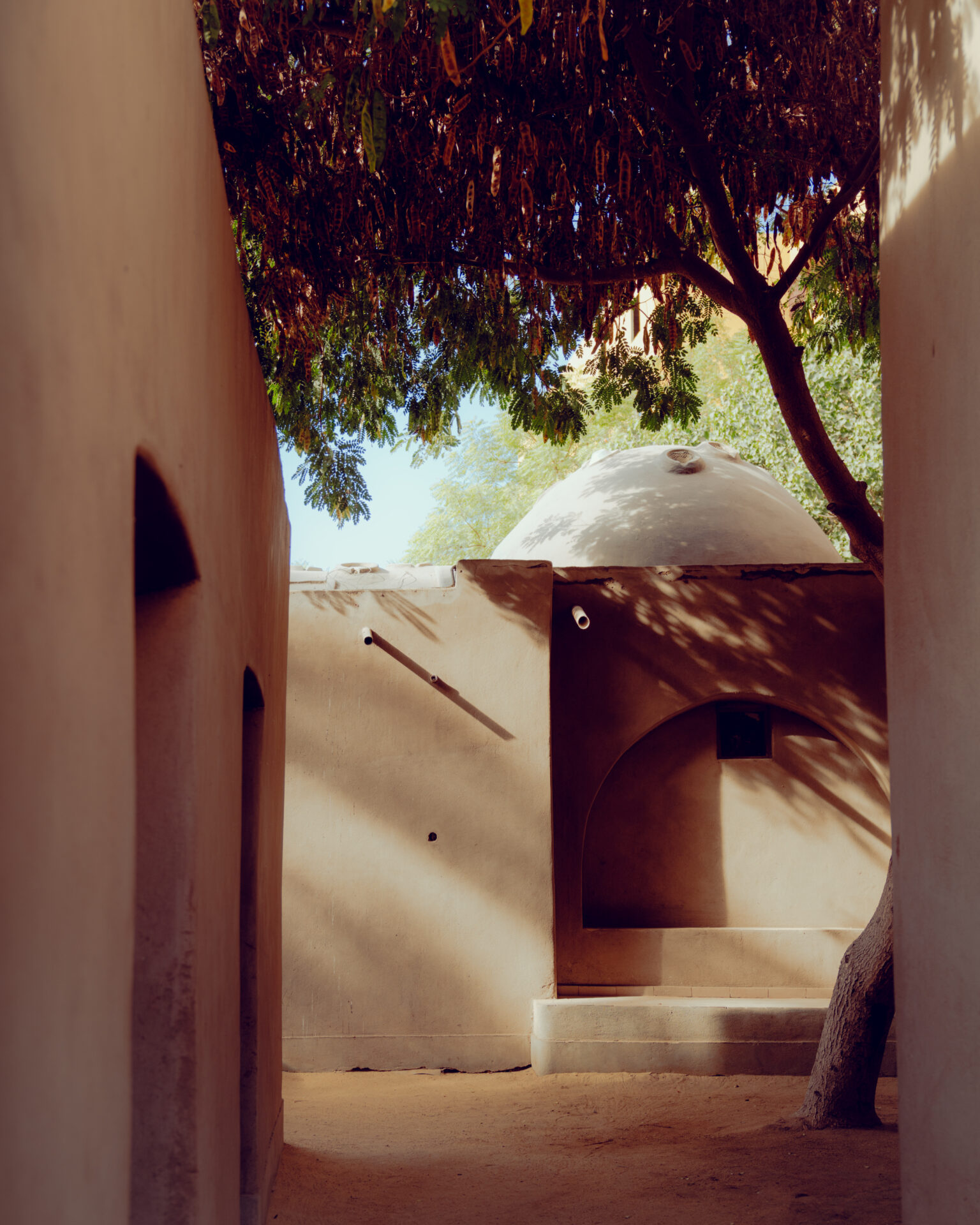
Morning light at Ramses Wissa Wassef Art Center in Cairo
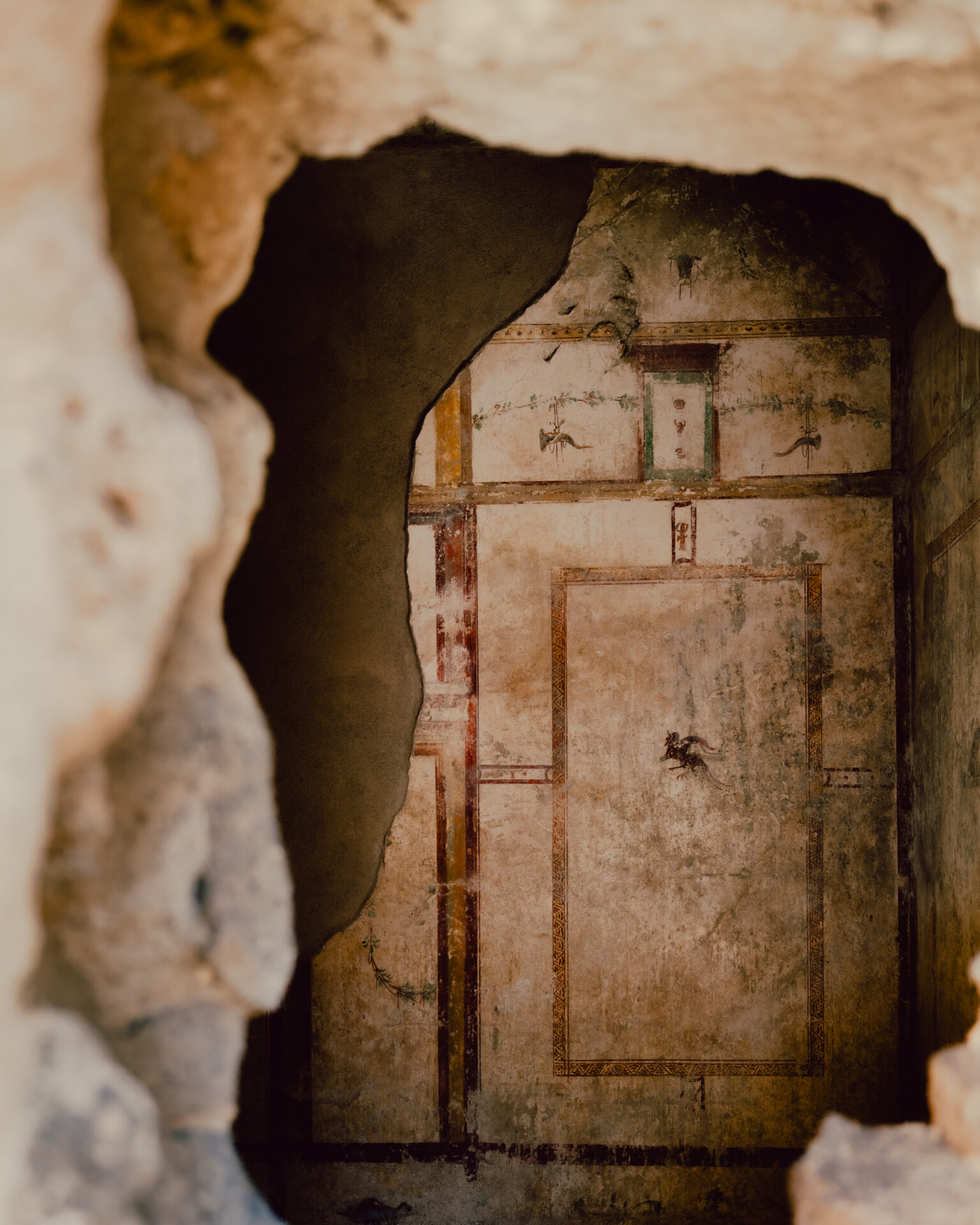
An opening through the wall in Pompeii
Beyond commissioned work, Lay is committed to personal projects that explore themes of memory, place, and perception. She is currently developing a series centred on interiors drawn from her own past. “It’s about how certain rooms stay with you-not just their appearance, but their mood, the way they made you feel. Sometimes you remember the light more than the furniture, or the smell of the air more than the walls.”
Editing is as important to her process as taking the photographs. She often lets images rest before revisiting them, allowing time to decide what belongs in a final sequence. “I think of editing as another form of photography-it’s about framing again, deciding what you want to say and what you want to leave unsaid.”
For Lay, photography remains an act of attention. It slows her down, inviting her to notice what might otherwise pass by. “The more you look, the more you see,” she says. “That’s true in photography, but it’s also true in life. Paying attention is a kind of respect-for the place, for the people, for the moment itself.”
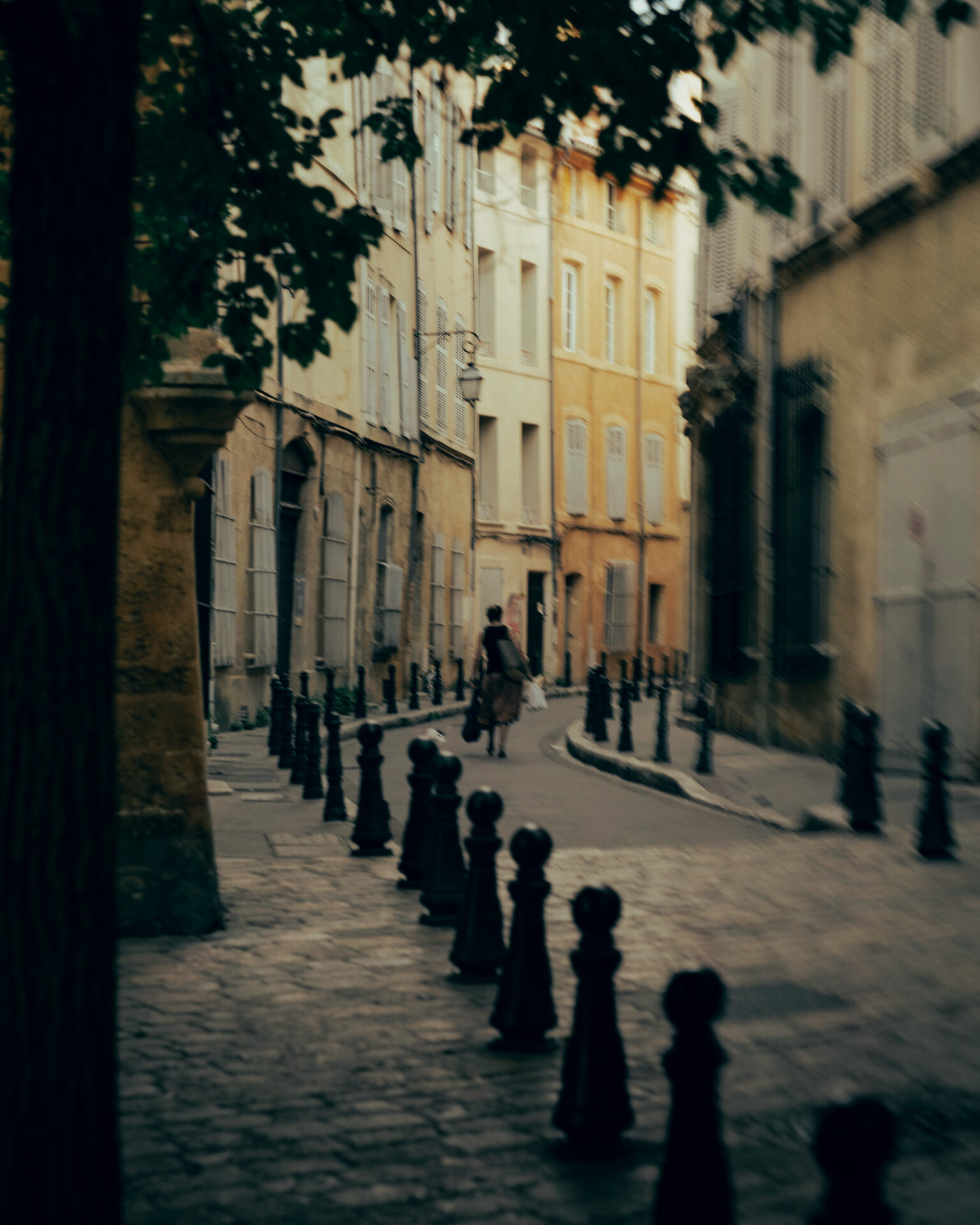
A lone figure seen during blue hour in Aix-en-Provence