Designers (24)
Close
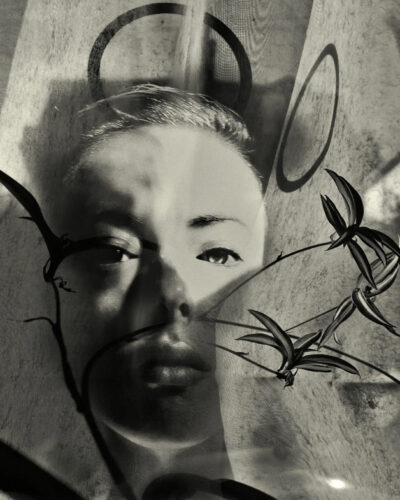
Lydia Roberts’ images unfold quietly, revealing their tension slowly. She works with what is nearly there: a shift of light, a partial form, a suggestion of movement. What she offers is not clarity, but a way of looking more closely, of staying with what resists being fully known.
“I often start from a mess,” she says. “Especially in painting. There’s rarely a plan or even a clear image in mind.” That willingness to start from uncertainty shapes everything she makes. In her paintings, forms appear and disappear as she works. Marks settle, vanish, and return. In photography, the same impulse shows up through subtle obstructions. She might shoot through glass or plastic, or shift her position so a scene feels slightly unanchored. “The result is always a surprise, even when I’m using familiar tools.”
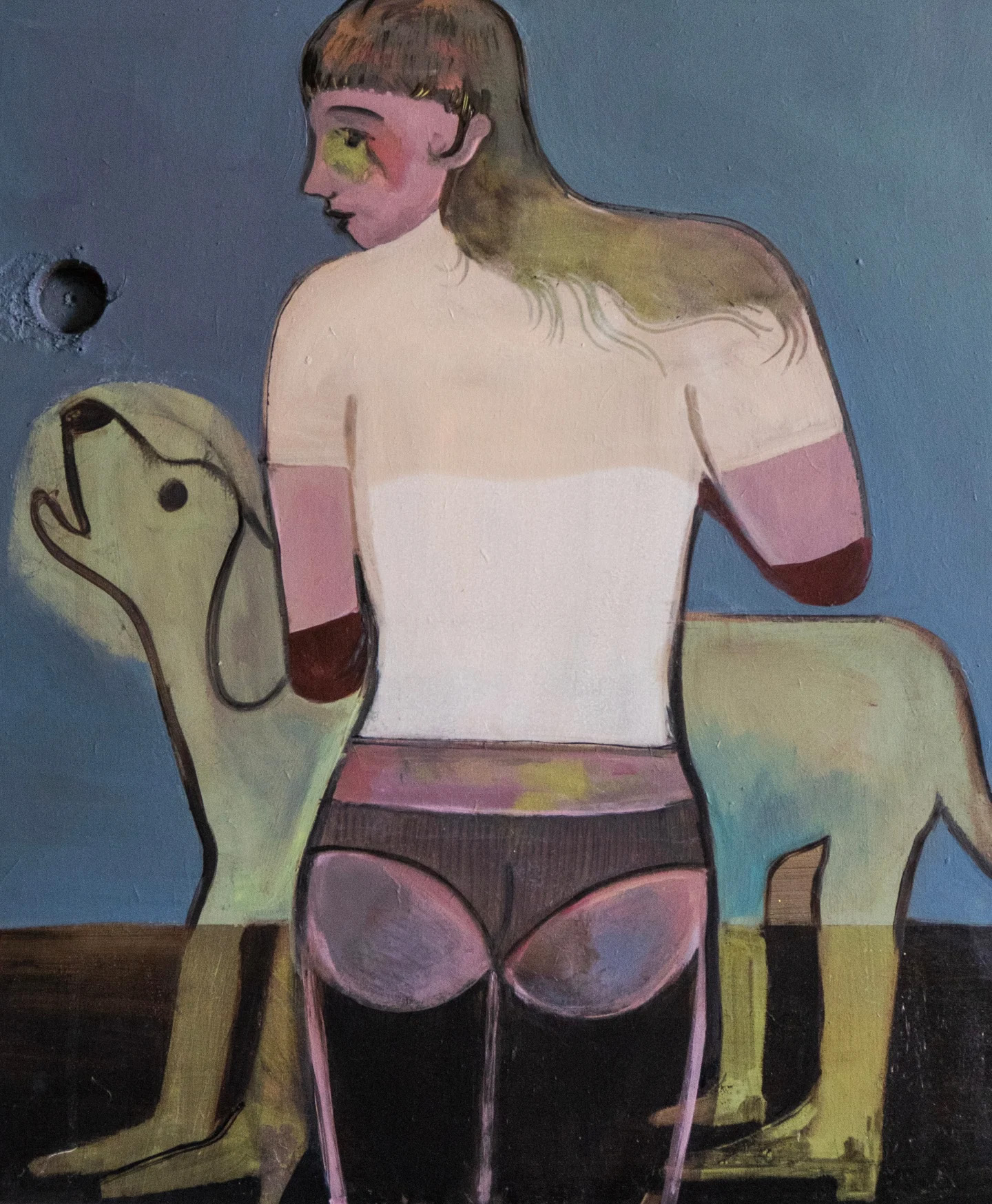
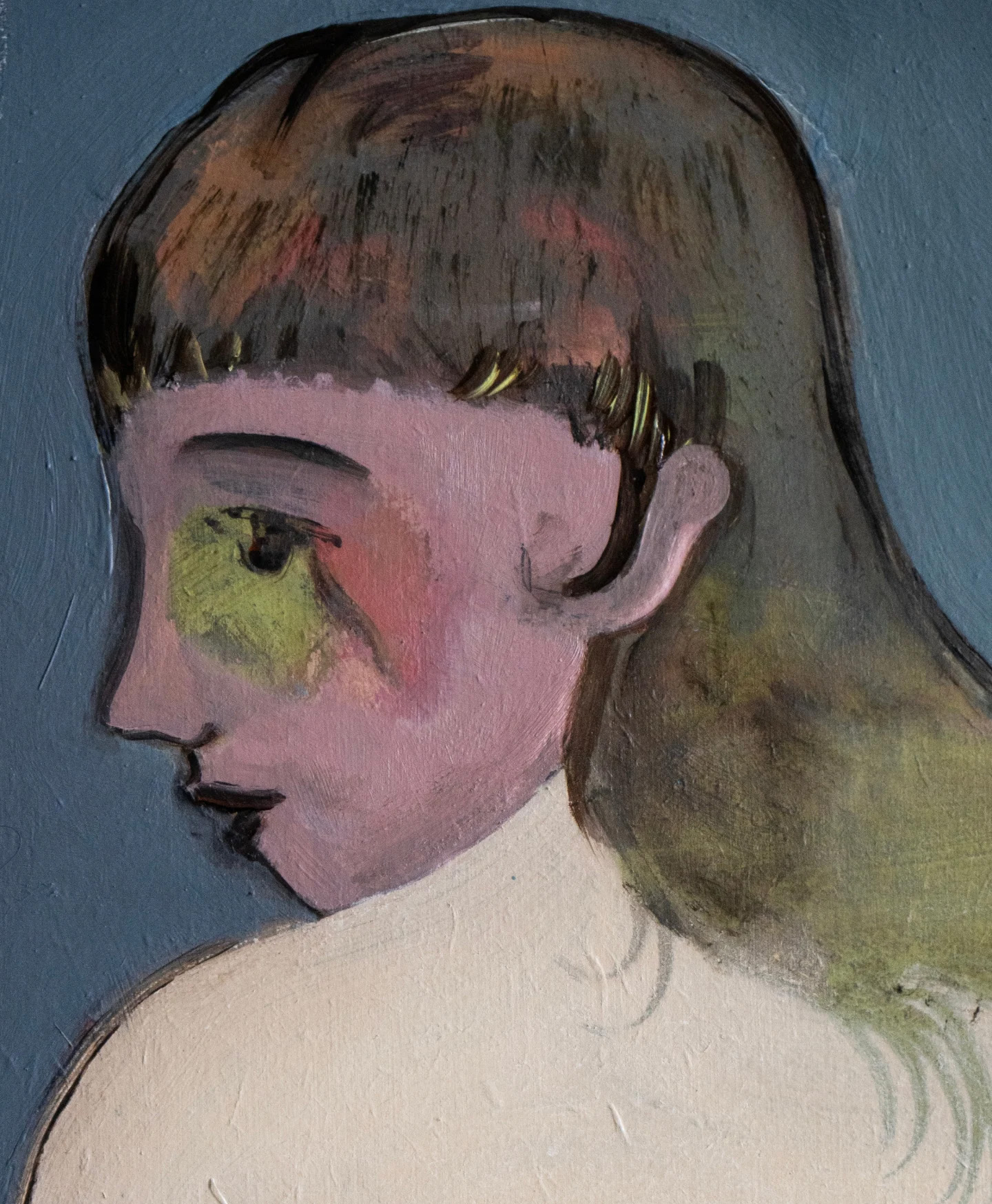
Howling by Lydia Roberts
Light is central to her process. It is not simply a means of revealing form, but a force that shapes the mood and movement of her images. “When I was a kid, I would look straight into the sun just to see what would happen. I’d get this rush of colour, these floating shapes that felt like their own world. Photography is a way of chasing that sensation again.”
Bodies appear in her work, though rarely in straightforward portraiture. A fold of fabric against skin, a strand of hair catching light, a hand paused in motion. “We carry thoughts, memories, and emotions in our bodies, in our posture and expressions. I photograph faces because so much is revealed there, but I’m not trying to define anything. The process comes first, and meaning follows later, if it follows at all.”
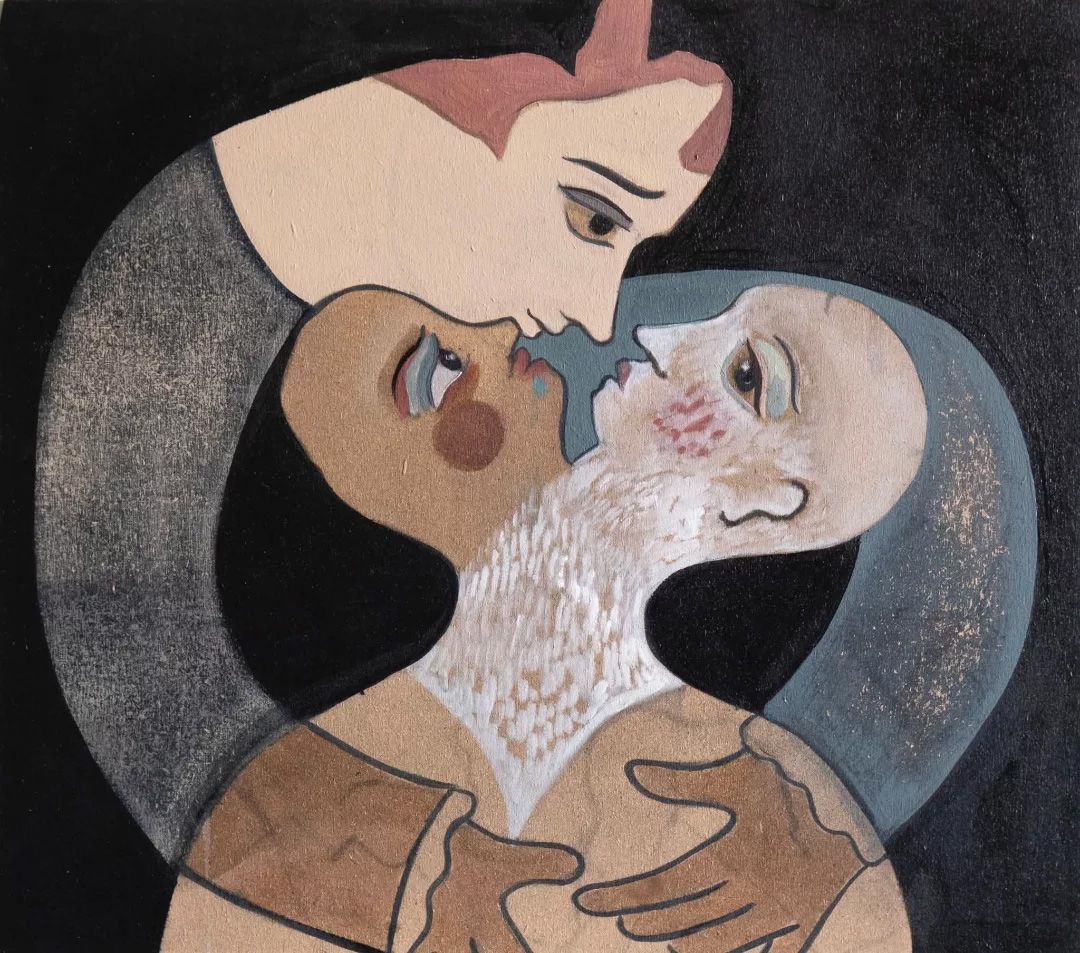
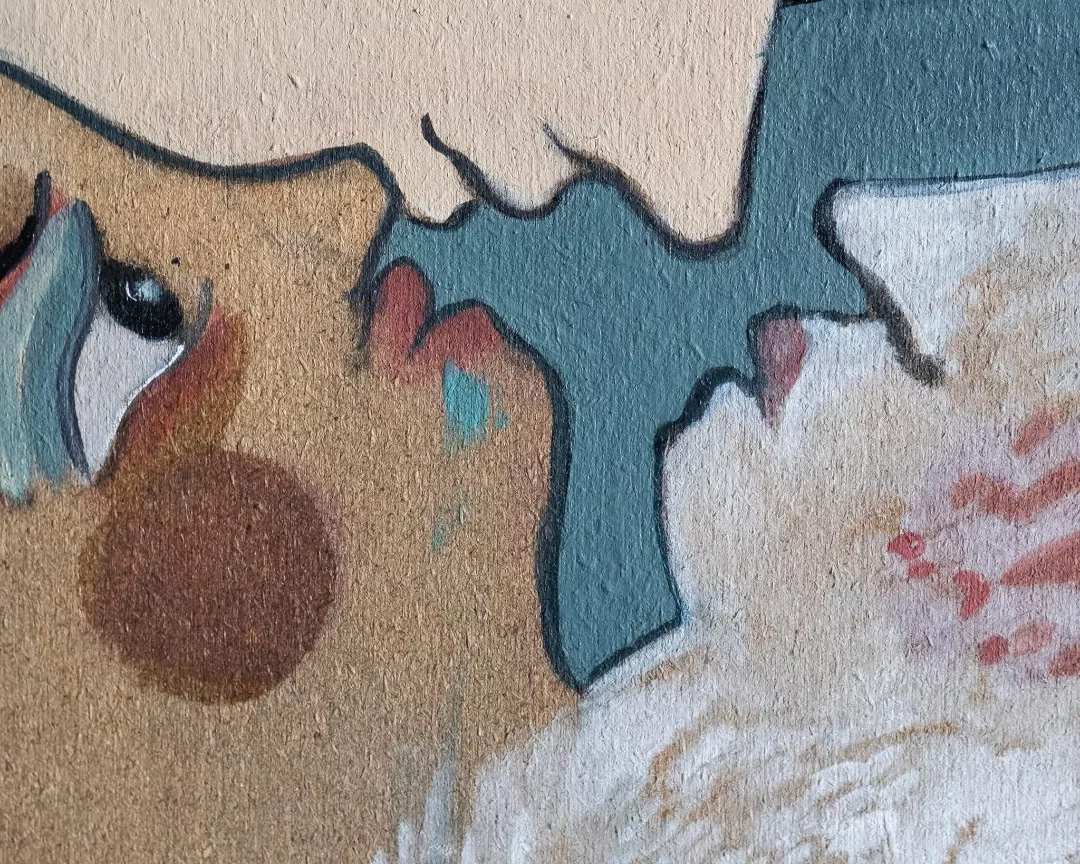
Tender Loving Care by Lydia Roberts
Painting arrived after photography and opened a different kind of freedom. Without the physical presence of a camera, she could work from sensation rather than from a fixed subject. The two practices remain distinct but share an origin point: a desire to follow impulse, to see what emerges when she lets the work lead.
Despite the quiet that surrounds her imagery, Roberts’ process is active and instinctive. “I’m actually quite frantic when I’m making. I just live at a slower pace outside of the studio. I avoid too much visual noise. Being away from a central art scene means I can work without the usual distractions or pressures.”
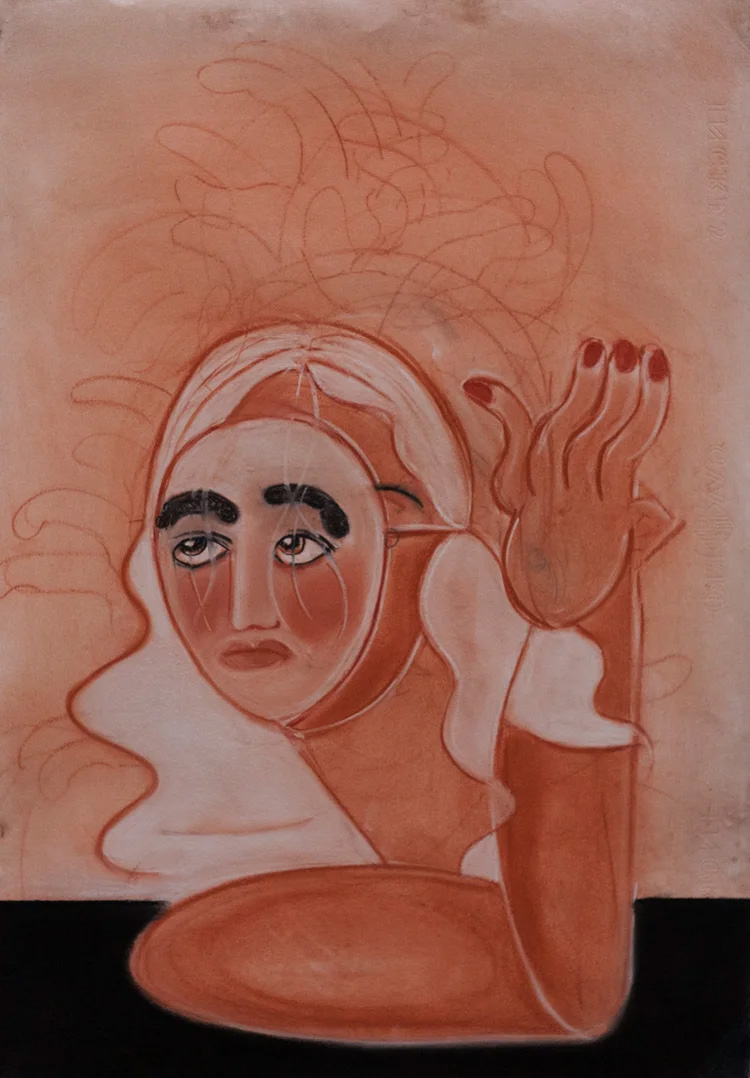
The Mask by Lydia Roberts
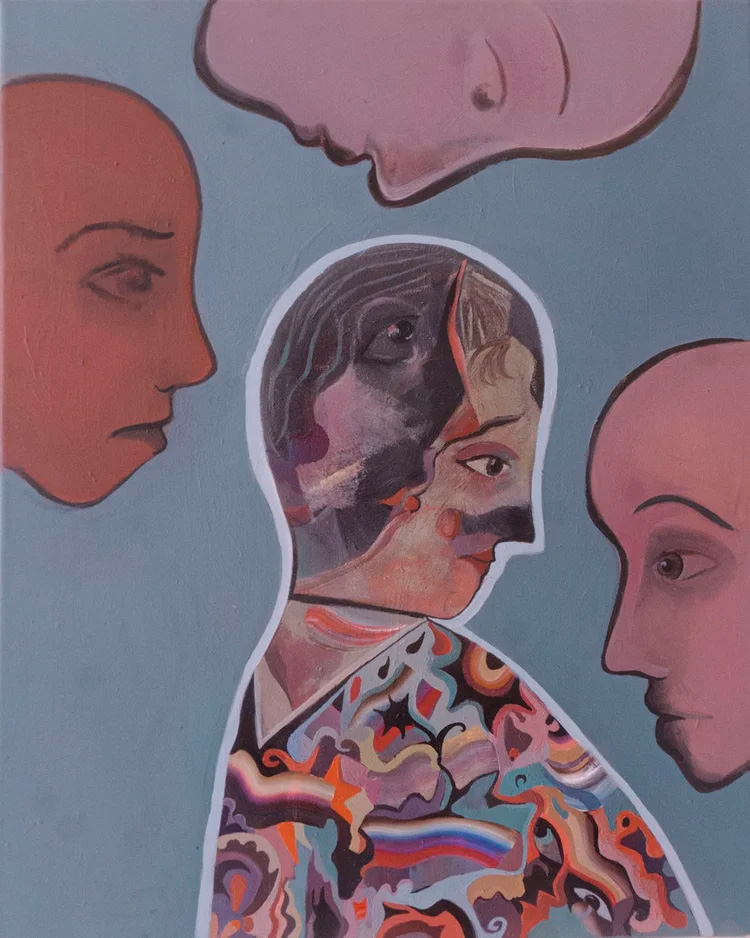
Head Space by Lydia Roberts
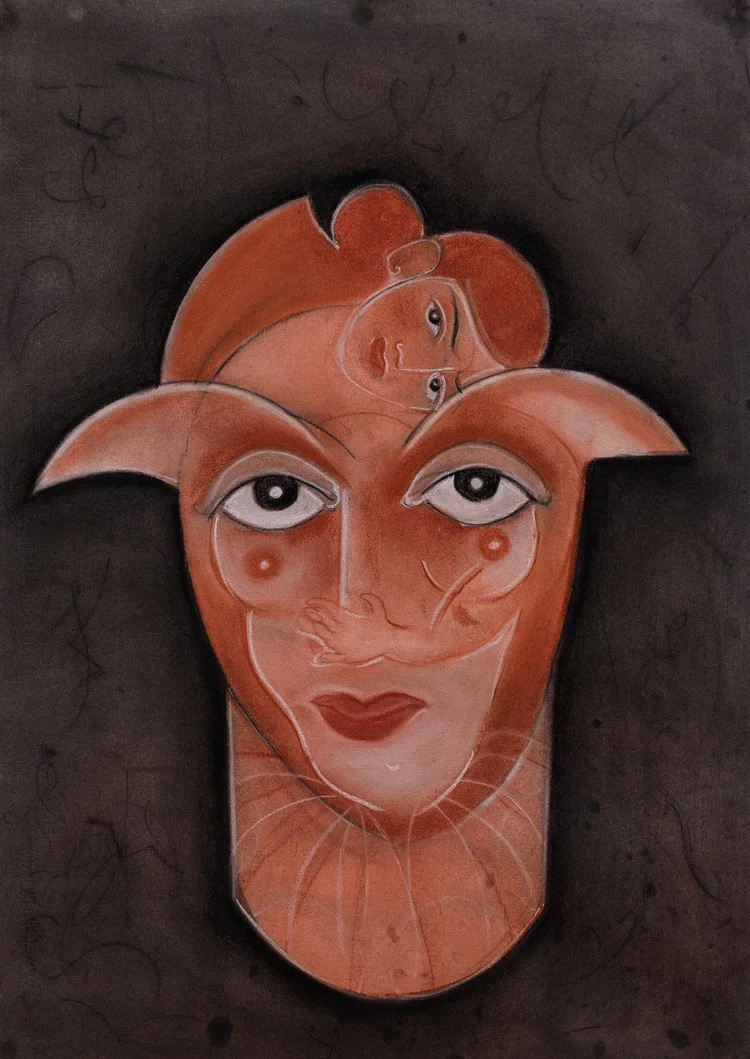
The Nose Knows by Lydia Roberts
Living in the countryside deepens her attention. Without constant stimulation, she notices subtle changes in light, colour, texture, and atmosphere. “Even without a camera, I’m always observing. I’m always taking notes of things I might come back to.” This slow looking creates a thread of continuity across her work. “I build new work on the back of old work. A great photographer once told me you’re only as good as your last picture. That stuck.”
Roberts’ practice revolves around presence and the traces it leaves behind. A room recently exited, a gesture unfinished, a memory half-formed. She is drawn to the tension between presence and absence, the fragile moment where something feels both fleeting and persistent. Her images do not insist or explain. They hold space for the viewer to bring their own associations, their own histories, their own hesitations.
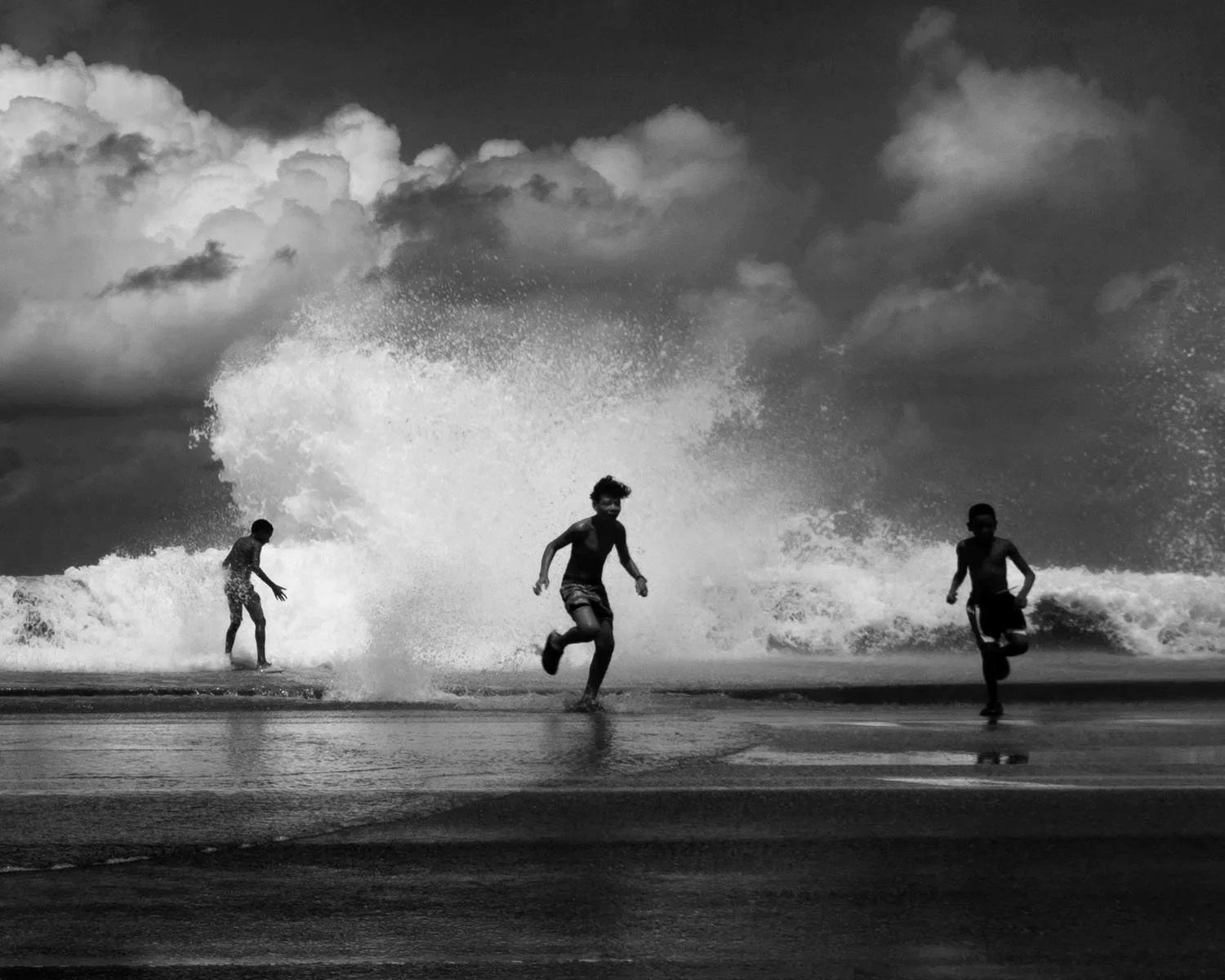
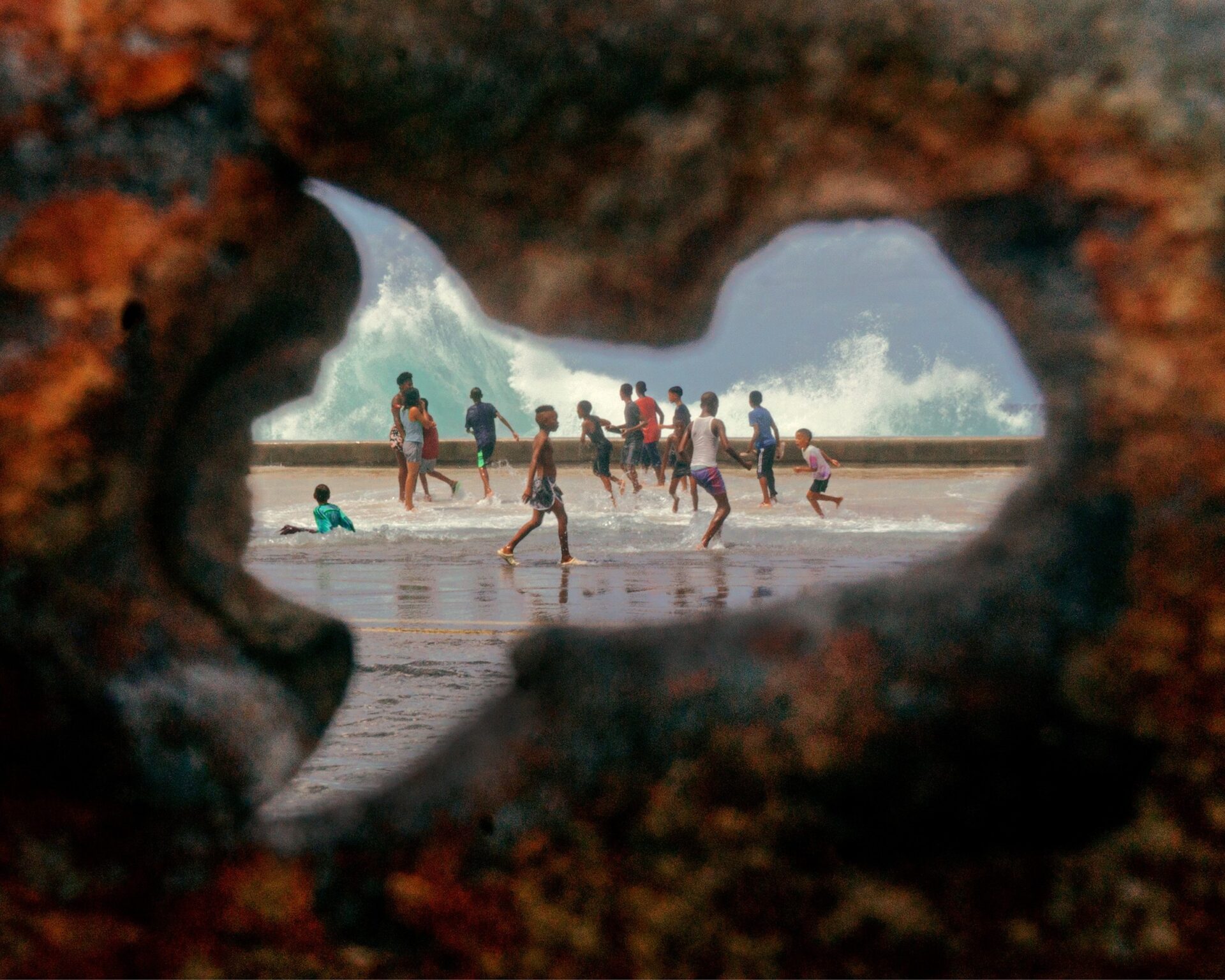
Spash by Lydia Roberts
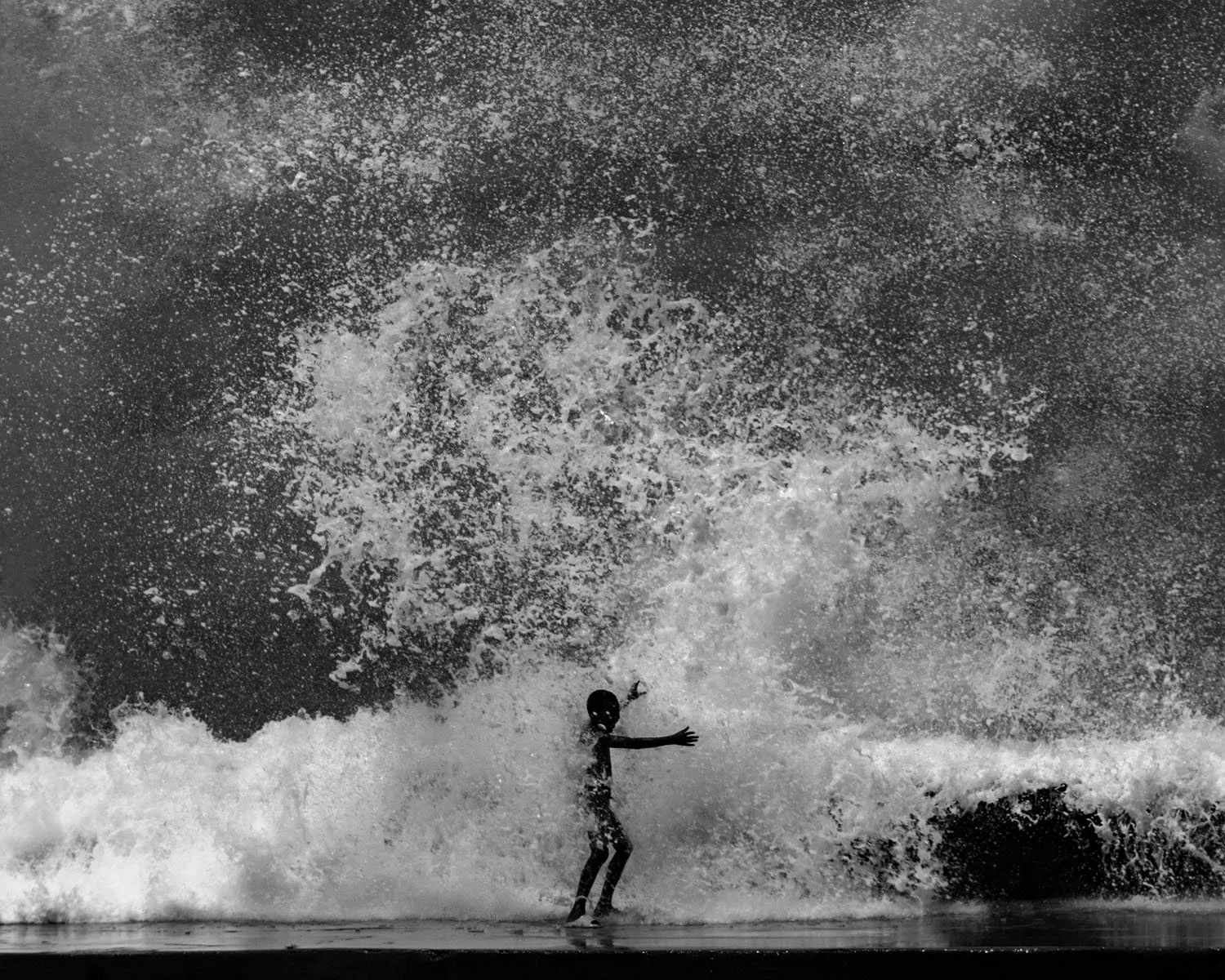
For Roberts, making is not a search for resolution. It is a return to familiar questions about attention, memory, and the ways we perceive what is just out of reach. The work that emerges is not a fixed statement but a quiet invitation: to pause, to stay with ambiguity, to notice how a moment shifts as we hold it.
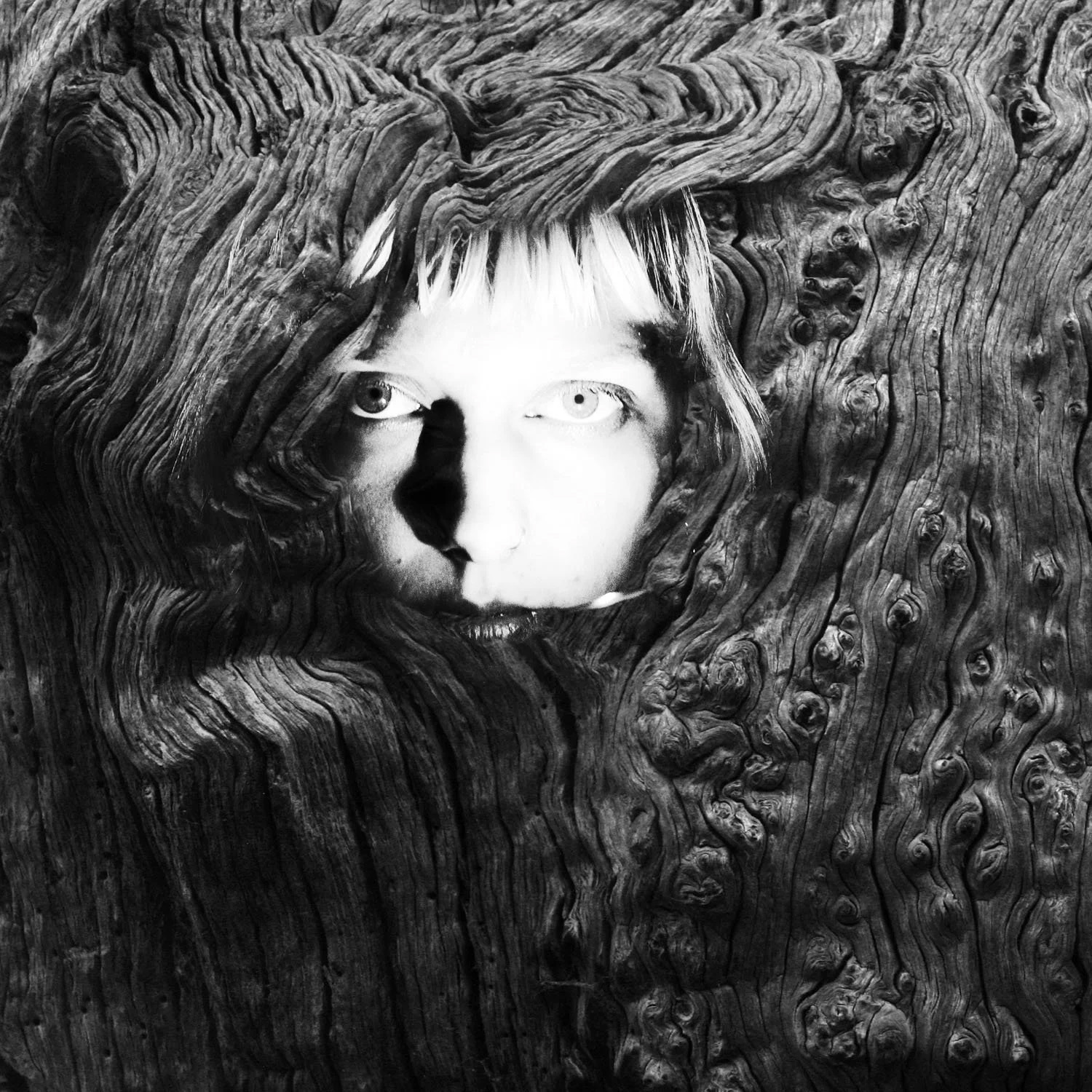
Lydia Roberts by Lydia Roberts