Designers (24)
Close
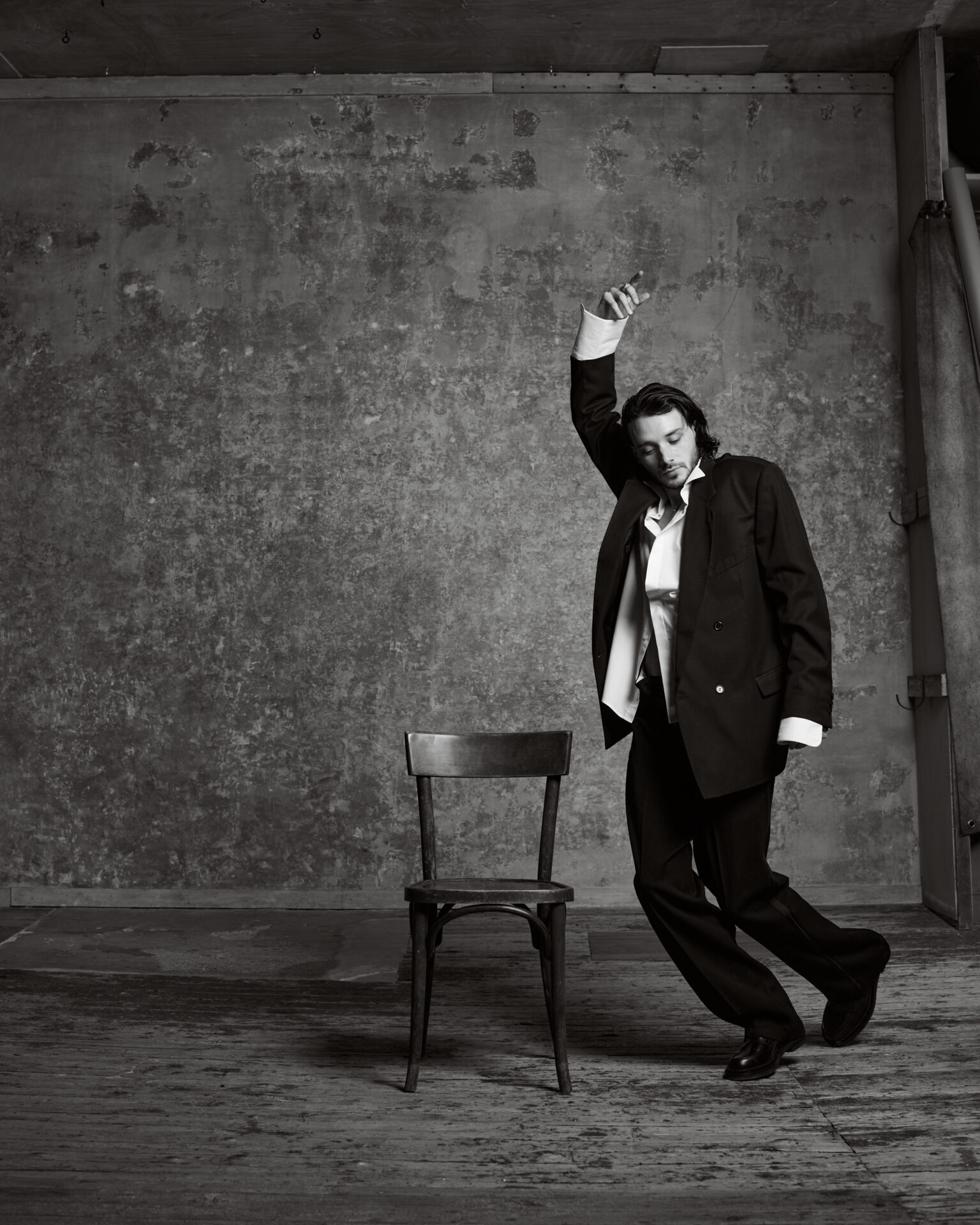
Movement, for Més Lesne, is not something acquired or imposed, it has always been there, an undercurrent running through his life before he ever named it dance. As a child, he lived in constant motion: climbing, running, imitating the gestures of others, observing the silent language of bodies. What fascinated him was not performance but presence, the way a body carries itself in everyday actions, how it responds to the world around it.
He speaks of his first real encounter with dance as a revelation: the sudden discovery of a space where the body could speak entirely without words. A place where silences, wounds, and encounters could take shape in motion. He insists he did not arrive by way of formal training. Dance entered his life “by accident,” as he calls it, yet the moment he stepped into it, he understood it was not an accident at all. It was a homecoming.
Mès Lesne Archives
There were decisive encounters along the way, and above all one figure: Michel Onomo, who saw something in him when he was barely twelve. Onomo carried him into new worlds. To stages, to unexpected spaces, to a vision of dance not as technique but as a language of thought, resistance, and poetry. Under his guidance, Mes discovered not only hip hop, the culture where he began, but also a multiplicity of styles, rhythms, and energies that shaped his way of seeing. What mattered was not codified training, but a deeper trust in the body’s instinctive knowledge.
Today, that instinct remains the heart of his practice. He speaks of his body as a vessel of memory. Not only personal memories of childhood gestures, lived emotions, and silences, but also a broader, invisible inheritance: cultural legacies, ancestral traces, echoes of movements passed through others before reaching him. In creation, these layers rise to the surface, sometimes revealing what the mind has long forgotten. It is in this sense that his work becomes political, he says — not because it seeks to illustrate a narrative, but because it awakens memory, collective as much as individual.
Mès Lesne Archives
Mès Lesne Archives
“I don’t choreograph to tell my life,” he explains. “But my body carries my history, so inevitably it appears. And then, very quickly, it goes beyond me. What emerges are states, sensations, sometimes memories older than myself. Something ancestral rises.”
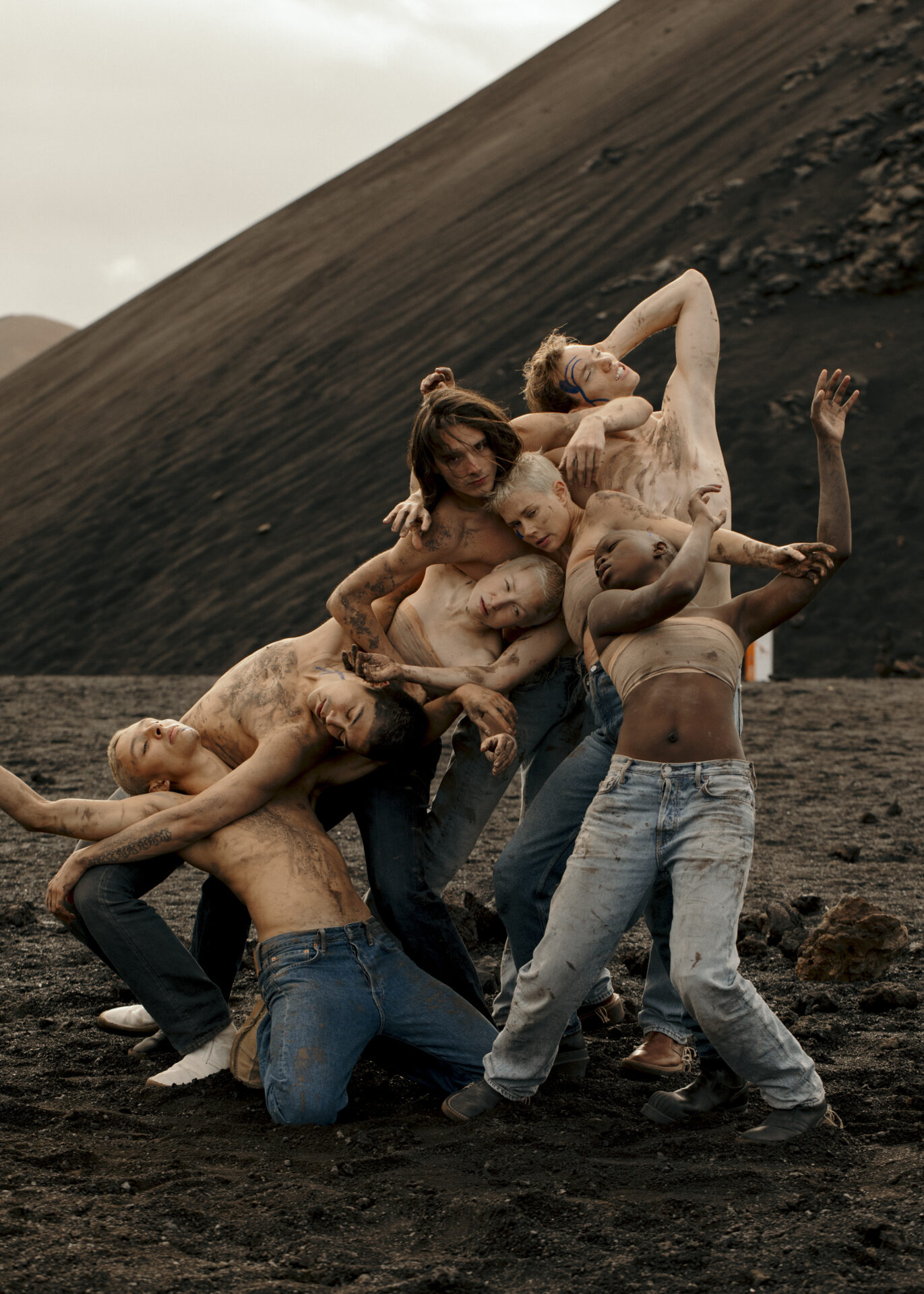
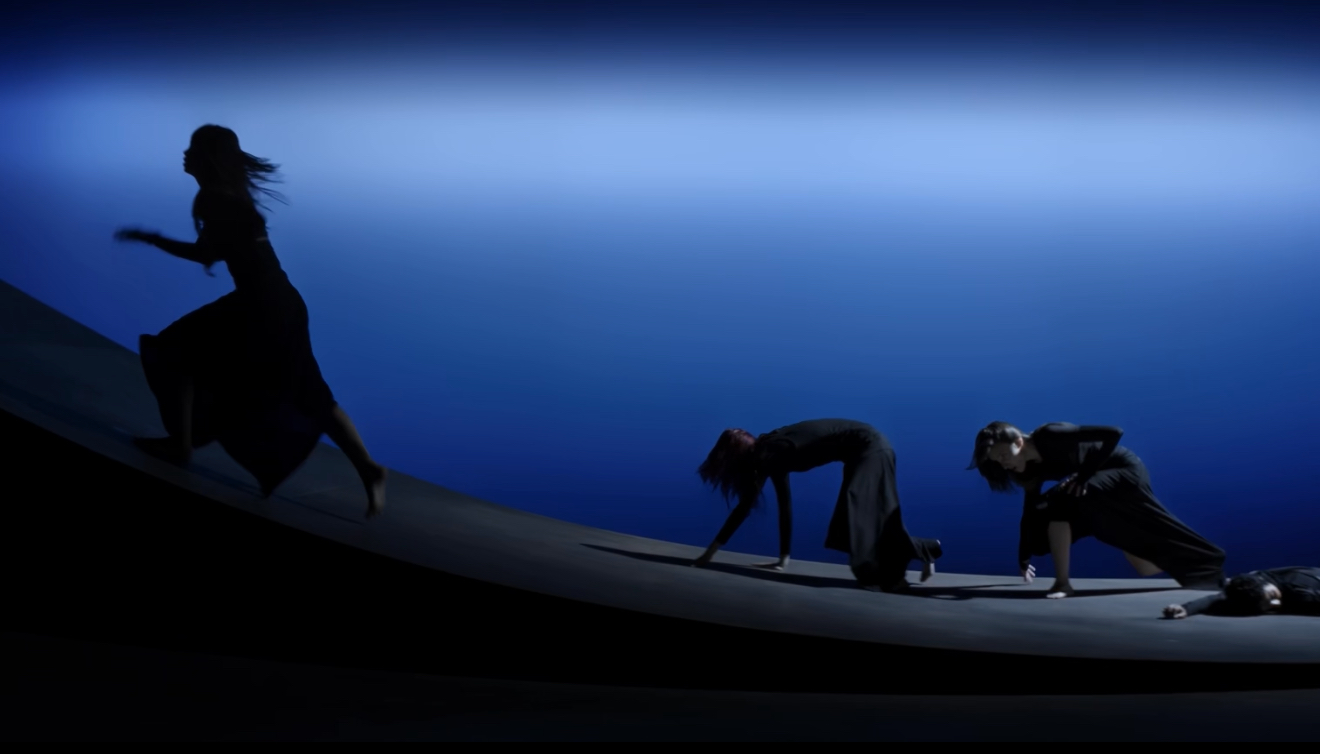
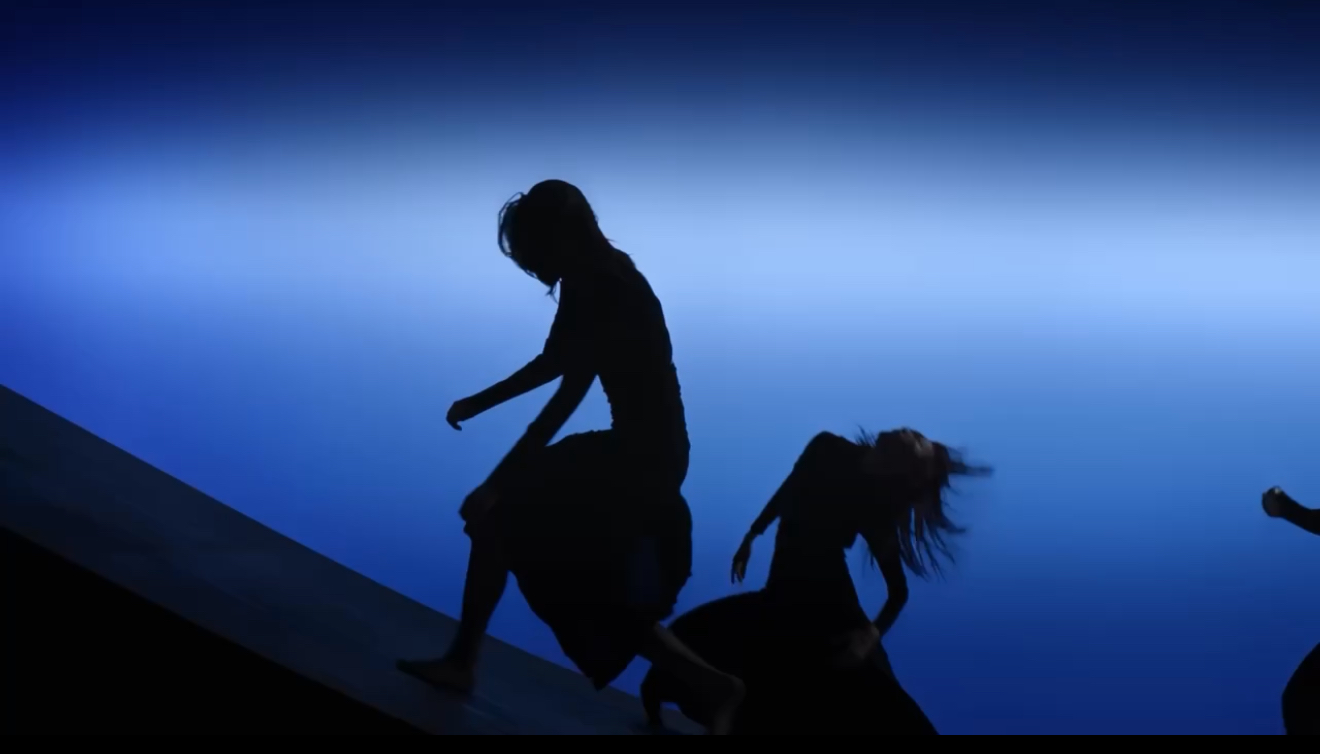
For him, space is never neutral. It is a partner, a force that shapes the body. Natural landscapes open him outward, make his gestures porous to air, light, ground. Architecture, by contrast, imposes lines, frames, resistances. The body reacts differently to each: expansive in fields, constrained in theatres, sharpened in industrial ruins. Even silence enters his work as material, carrying weight and breath, becoming almost a sound in itself. Everything around him from light, sound, atmosphere, becomes a partner in dialogue. He insists that he does not “build” choreography so much as reveal it.
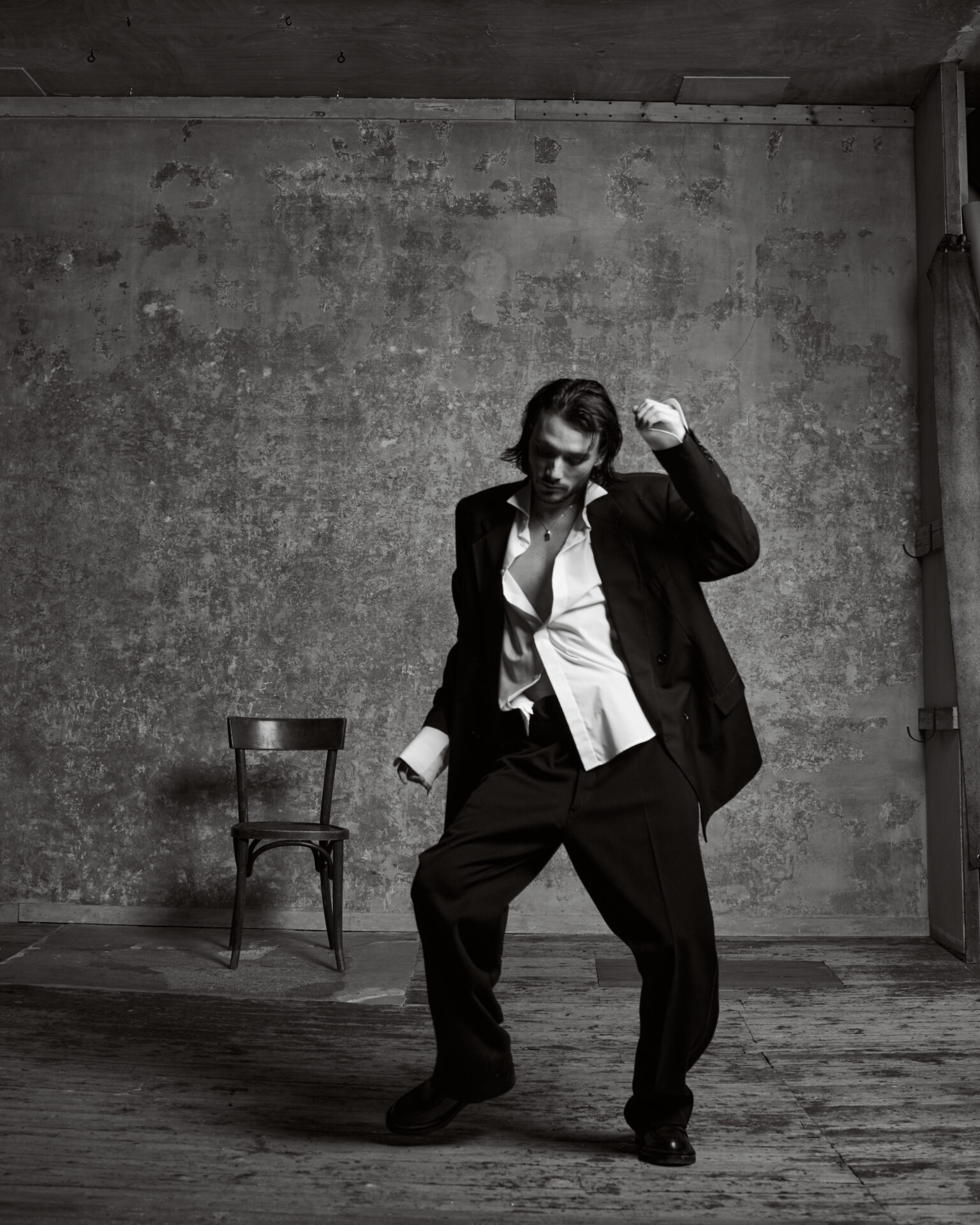
What he searches for in movement is not form, but truth. Gestures must be connected to something real, born from an inner vibration rather than an imposed idea. He calls this process porous, instinctive, alive. A strange detail often appears in his work: the hands, especially the fingers, carving space with precision. At times the movements are vast and forceful, spanning the entire body, while at others they retreat into delicate inflections — a play of macro and micro, expansive and intimate, that defines his signature.
Mès Lesne Archives
Mès Lesne Archives
Qualities he names — strangeness, softness, instinct — form the foundation of his language. Strangeness emerges when he lets sensation guide him beyond control; softness, not as weakness, but as a way of inhabiting gesture with respect and attentiveness; instinct, as the deepest bodily wisdom, preceding thought. Together, they create a dance that reveals rather than imposes, where the body becomes porous to what exceeds it.
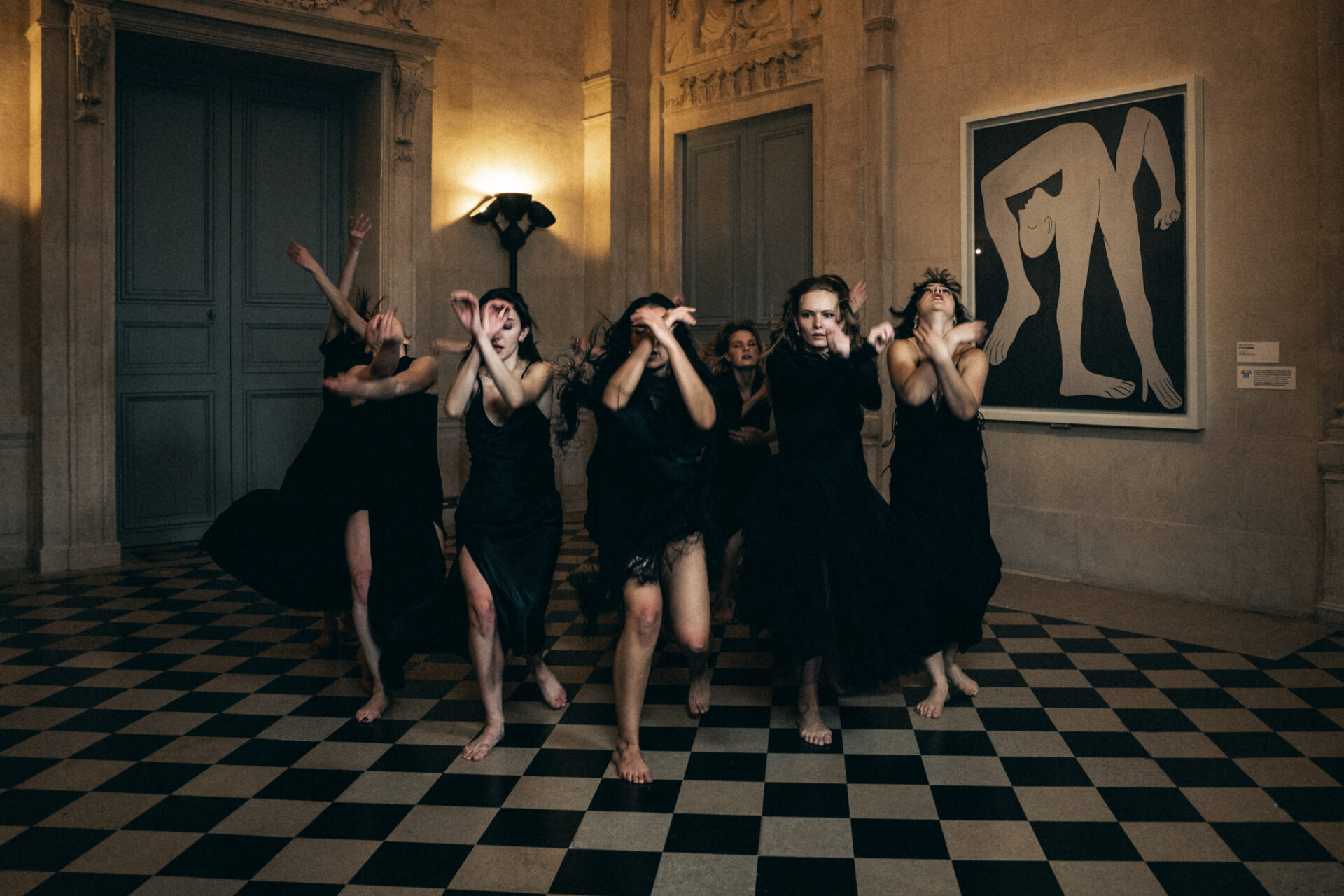
From these qualities arises a natural openness to others. Collaboration for Més Lesne is not a dilution but an opening. Whether working with filmmakers, musicians, or visual artists, he seeks balance: allowing movement to evolve through other mediums without losing its integrity. For film, the body becomes fragmented, intimate, attentive to the lens. On stage, it becomes expansive, fragile, vibrant in real time with an audience. Each context transforms the work, but always the body remains anchor and compass.
This interplay between qualities and contexts reflects his relationship with tradition. He places himself in dialogue with choreographic lineages but does not bind himself to them. Respect and transgression coexist in his practice: a reverence for those who came before, paired with a refusal to be confined. He speaks of navigating between heritage and freedom, letting intuition lead the way. Discipline sharpens the work, but intuition is the spark, the living force.
Mès Lesne Archives
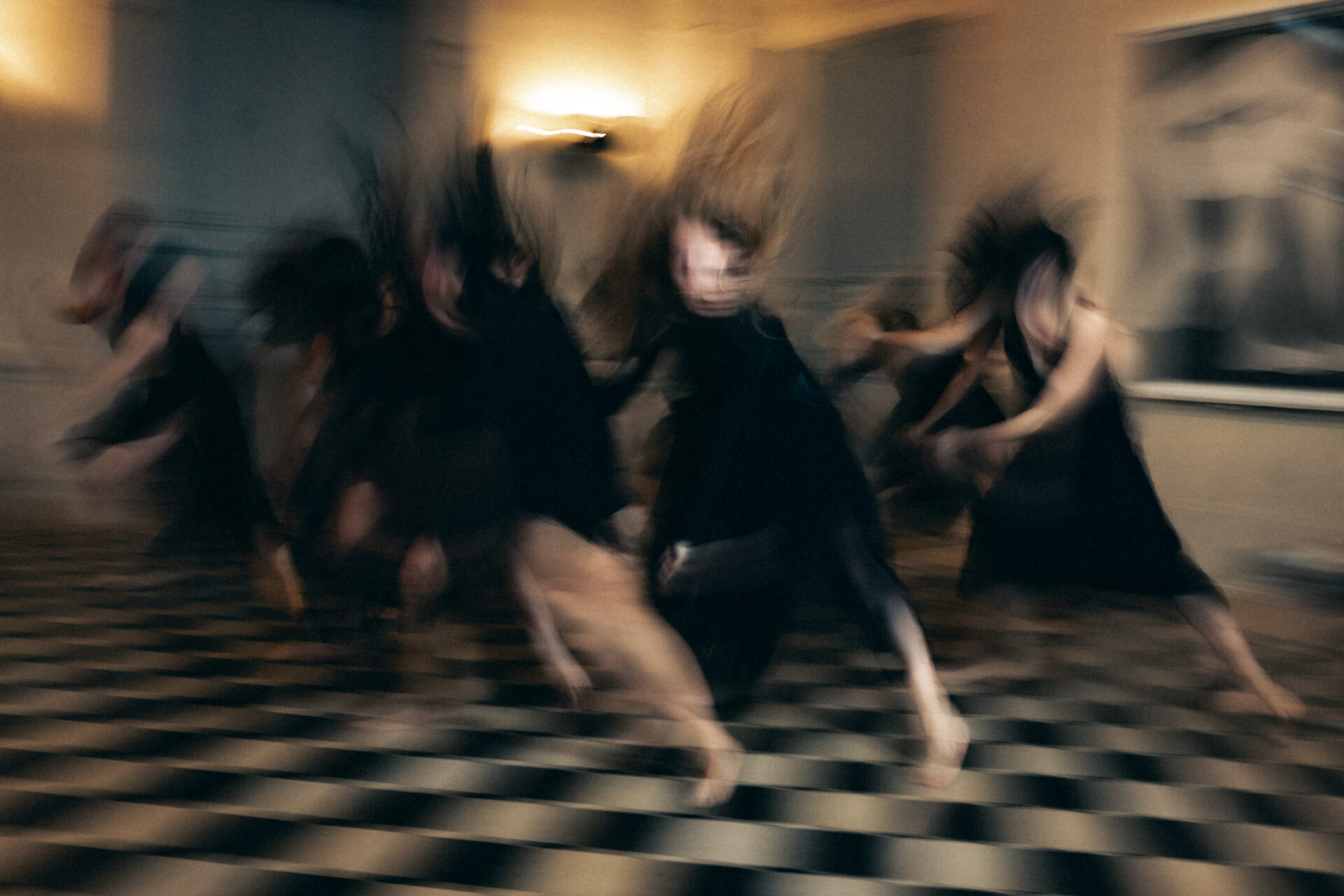
Mès Lesne Archives
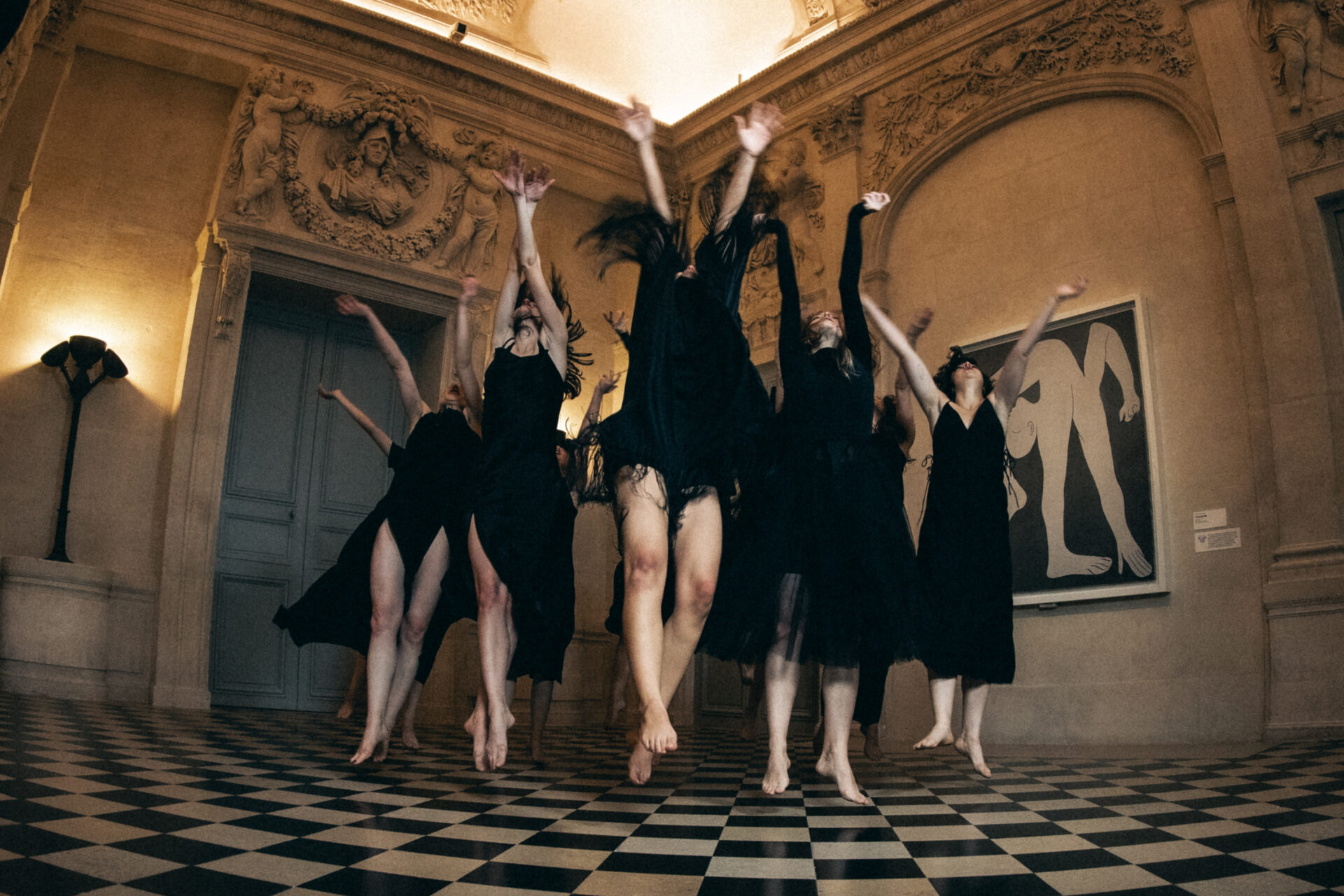
Mès Lesne Archives
Creation, for him, begins not with an idea but with listening to the body, to what stirs beneath the surface. A creative day might start with gentle improvisation, letting sensations arise without expectation. From there, exchanges with other dancers, notes, sketches, images accumulate, forming the raw material of a piece. But he insists there is no fixed method: “Creation is a fluid movement, sometimes slow, sometimes intense, but always alive.”
And when a gesture no longer feels honest, he lets it go. For him, truth is the only measure of movement. A dance that loses its sincerity cannot endure. The stage, he believes, is not a place to impose, but to pass through — a porous threshold between what is personal and what belongs to all.