Designers (24)
Close
There’s a certain silence to Mokko. A silence not of absence, but of restraint—of deliberate choices, of sculptural forms that speak in low, enduring tones. Founded in 2016 by Aad Bos, a former corporate lawyer, the Amsterdam-based design studio emerged not from academic canon or formal training, but from instinct, travel, and inheritance.
“It started after a trip to Japan,” Bos recalls. “I felt a deep connection to the discipline of Japanese craftsmanship—its humility, its devotion to process.” At the time, the decision to shift from law to design seemed improbable. But clarity came, not in epiphany, but in a steady pull toward the tactile. Toward making.
MOKKO Archives
MOKKO Archives
At the heart of Mokko is a desire to create pieces with weight—physical and emotional. Objects that, like those passed down from Bos’s late grandmother, gather meaning over time. “They weren’t just beautiful. They held value because they had endured—because they carried history.” The original vision, however, met the realities of production. “I had hoped to offer locally made, high-quality objects at a mid-market price,” he says. “But I quickly learned that preserving quality and craft meant letting go of that price point.” That early compromise would become a defining principle: uncompromising integrity in form and process, even if it meant finding a different audience.
Untrained in design, Bos navigated the early years without mentorship or academic critique. “No one ever graded my process or aesthetics. There was a kind of freedom in that.” Without an imposed framework, he built his own. “It was just me, creating, adjusting, refining—until something felt right.” The absence of structure became structure. What emerged was a personal language shaped not by trend, but by memory, geometry, and feeling.
MOKKO Archives
MOKKO Archives
MOKKO Archives
Mokko takes its name from the Japanese word mokkō—woodcraft. A tribute to the traditions that first sparked Bos’s vision. For a time, the studio even used the original Japanese spelling. “But as the design language evolved, the exact translation no longer felt true. ‘Mokko’ was a new identity—rooted in the origin, but shaped by distance.”
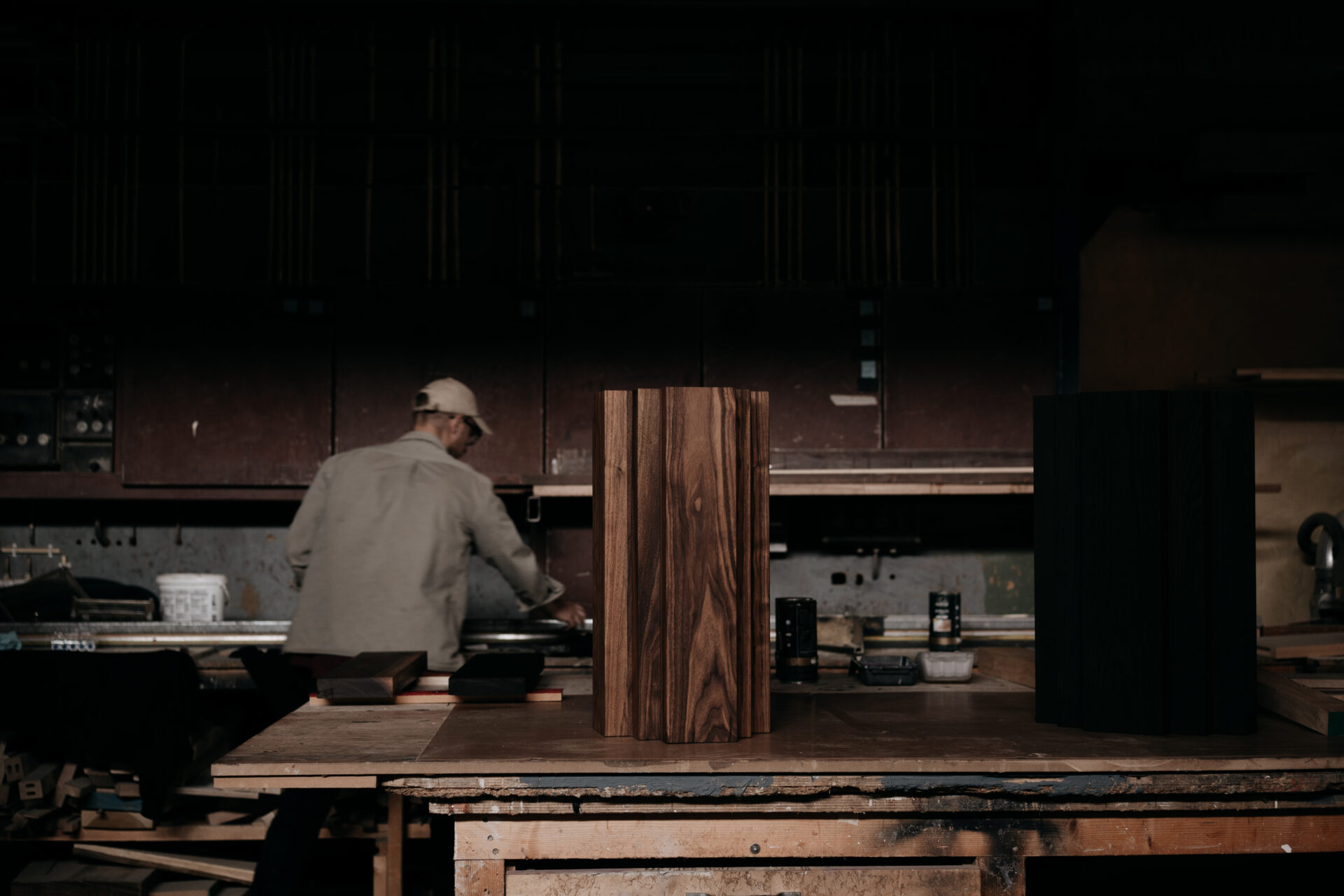
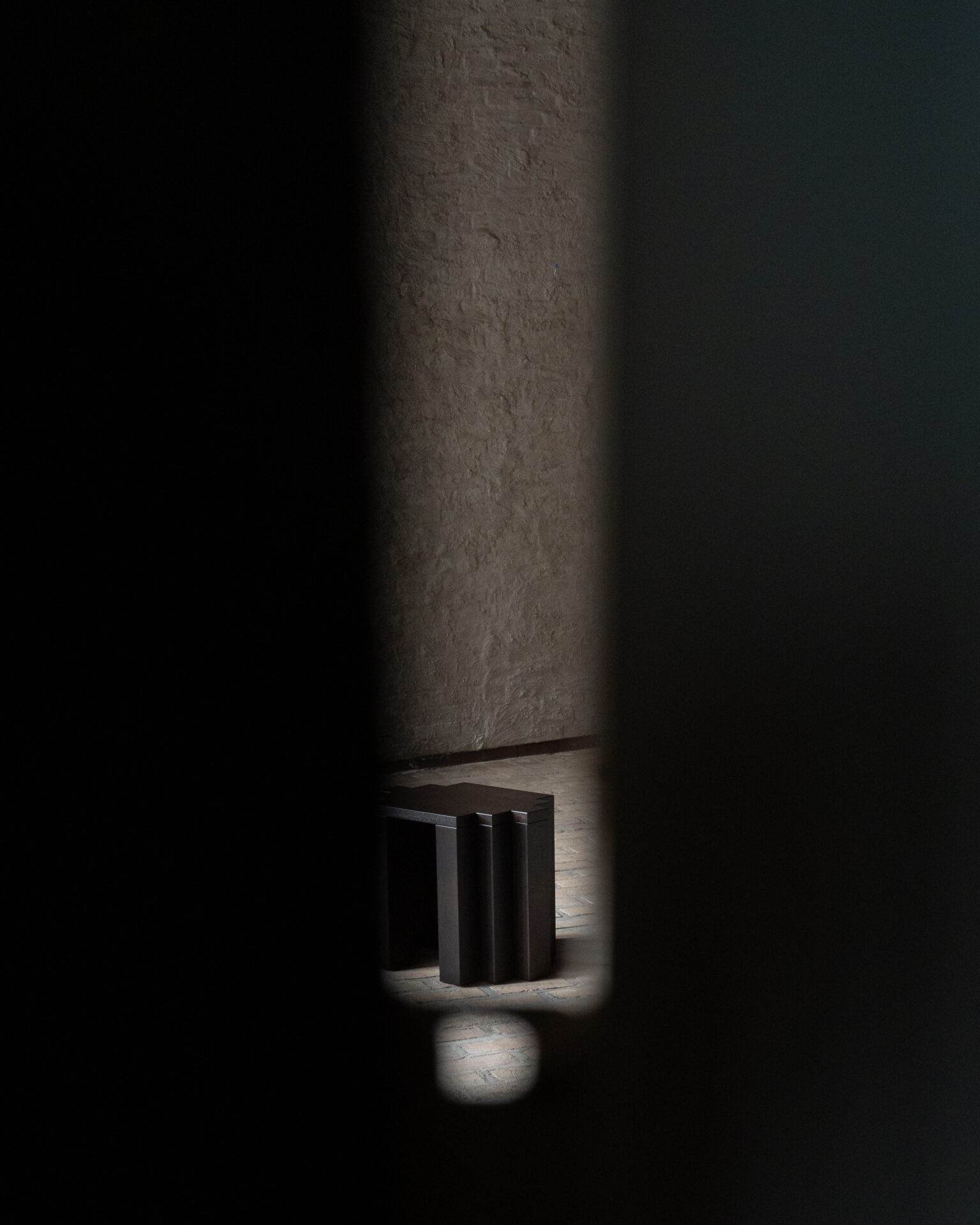
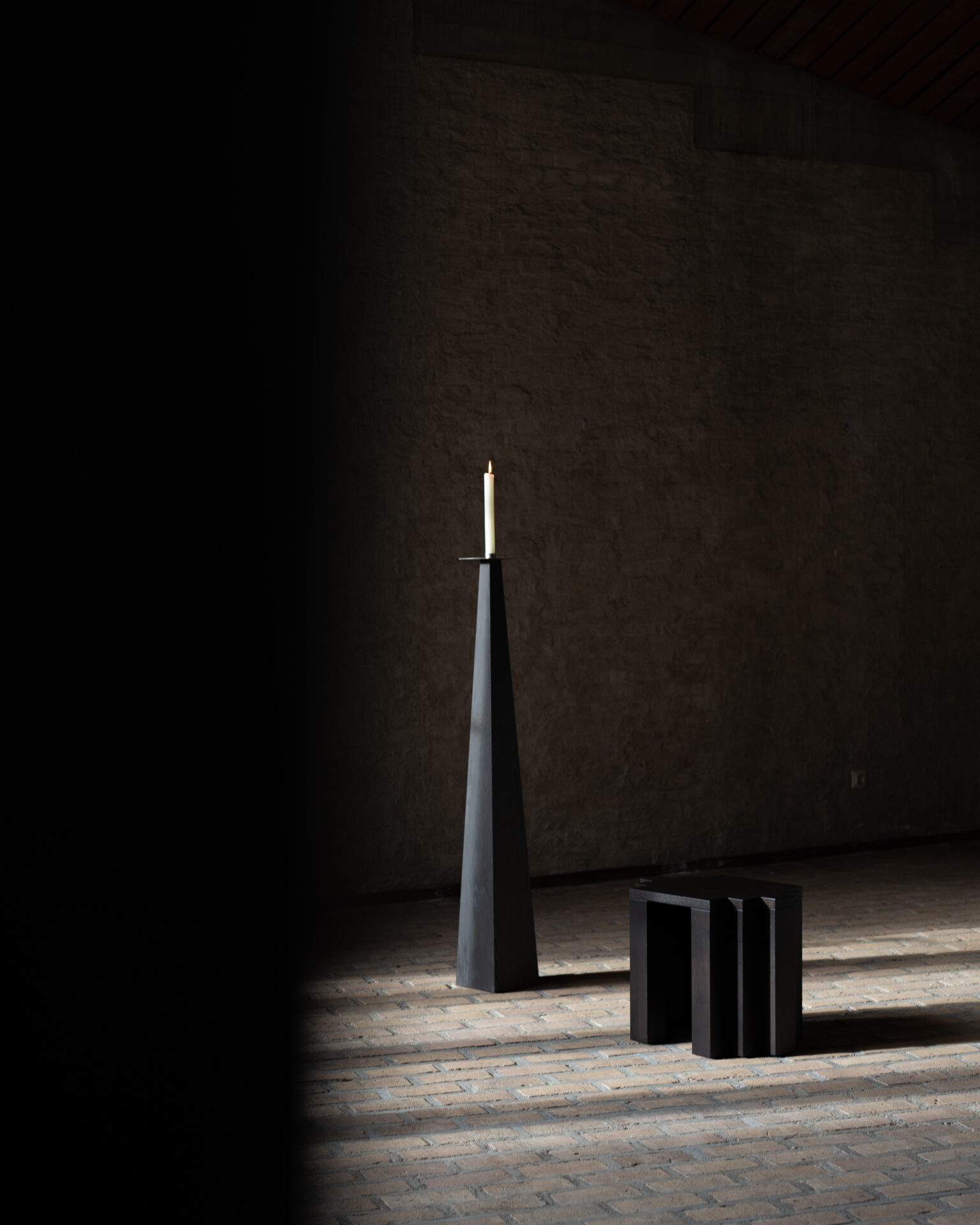
Mokko’s work is frequently described as sculptural, even monolithic. The pieces draw from archetypes: the cube, the arch, the globe, the pyramid. Shapes that have persisted through time, from Egyptian temples to Art Deco façades. “I didn’t choose these shapes—they were always there,” Bos explains. “They hold cultural weight. They feel both ancient and familiar.” It’s this universality that lends Mokko’s pieces their intended timelessness. “My goal is for people not to know when the object was made. That’s when I know I’ve succeeded.”
MOKKO Archives
MOKKO Archives
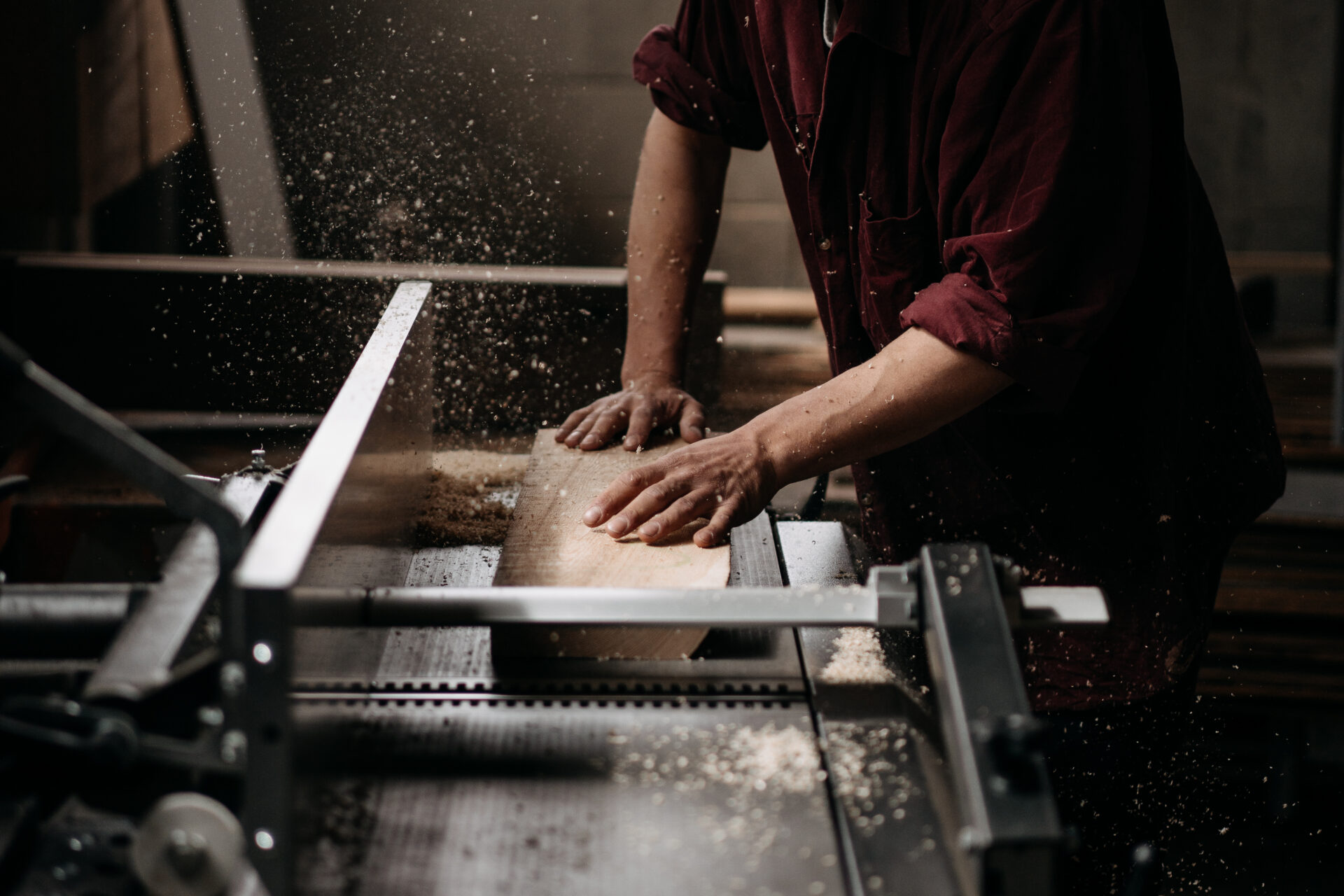
Every Mokko piece is made locally, often to order, and frequently with bespoke specifications. “Keeping production in the Netherlands isn’t just about control. It’s about presence. About being part of each step.” In a world increasingly reliant on distant labour, Bos insists on staying near—not just geographically, but relationally. “Working with local artisans, forming bonds—it brings meaning to the work.” There’s also a deeper conviction: “One day, we may need to rely on our local industries more than we do today. We need to keep that knowledge alive.”
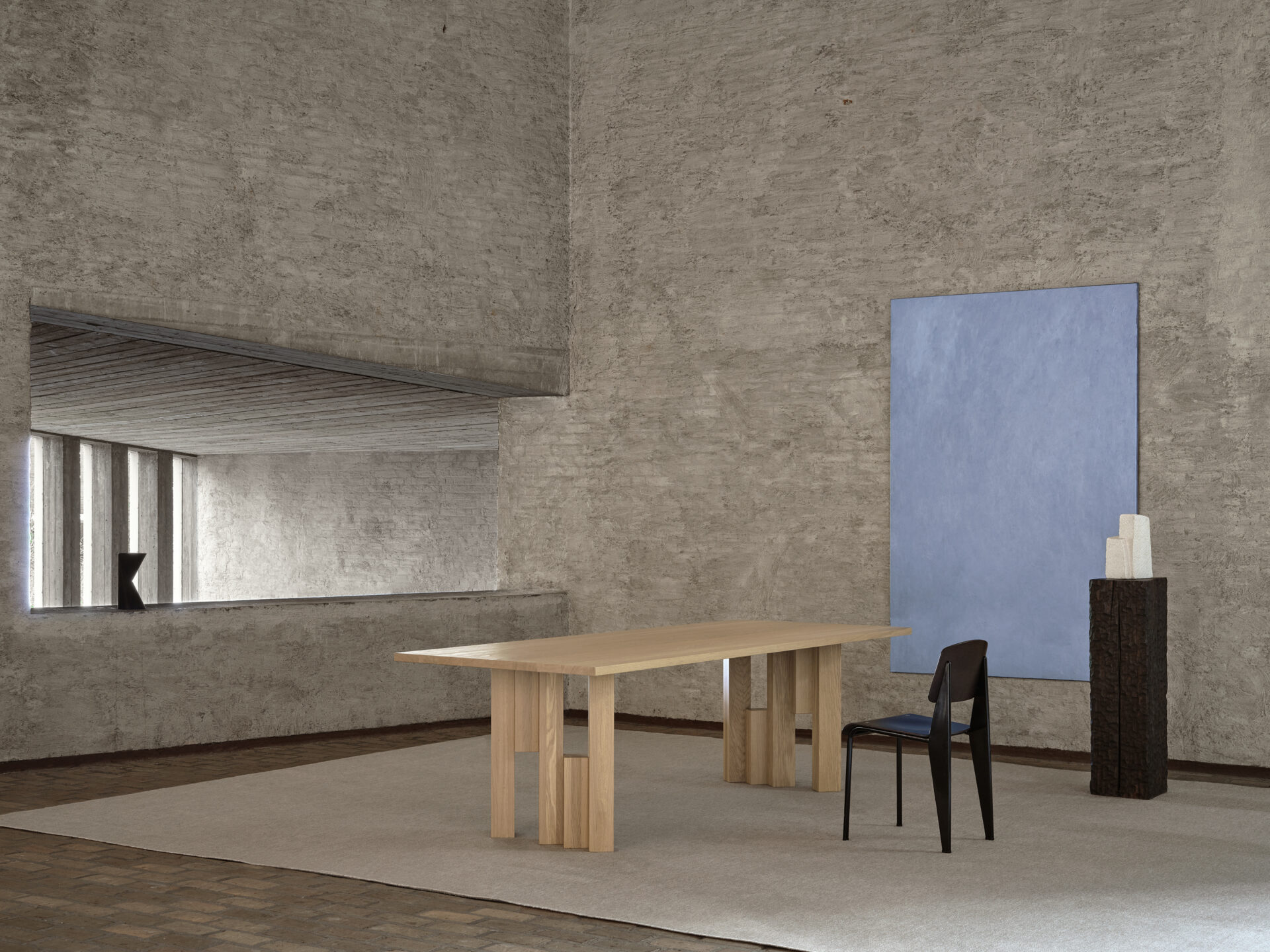
Maintaining artisanal production in a global market has required real trade-offs. “When we launched, I hoped to operate in the mid-market. But keeping craftsmanship intact meant moving into the high-end.” It wasn’t a calculated brand strategy—it was an ethical one. Each piece is crafted using FSC- or PEFC-certified wood, tested meticulously for moisture to ensure long-term durability. “We don’t cut corners. If the materials aren’t right, we don’t build.”
MOKKO Archives
MOKKO Archives
MOKKO Archives
The idea of the heirloom runs throughout Mokko’s practice. Not as nostalgia, but as legacy. “I want to make objects that are kept. Objects that outlast the moment they were designed in.” To transcend trend, Bos turns again to archetype and proportion. “When you can’t place an object in time, it holds its value longer.”
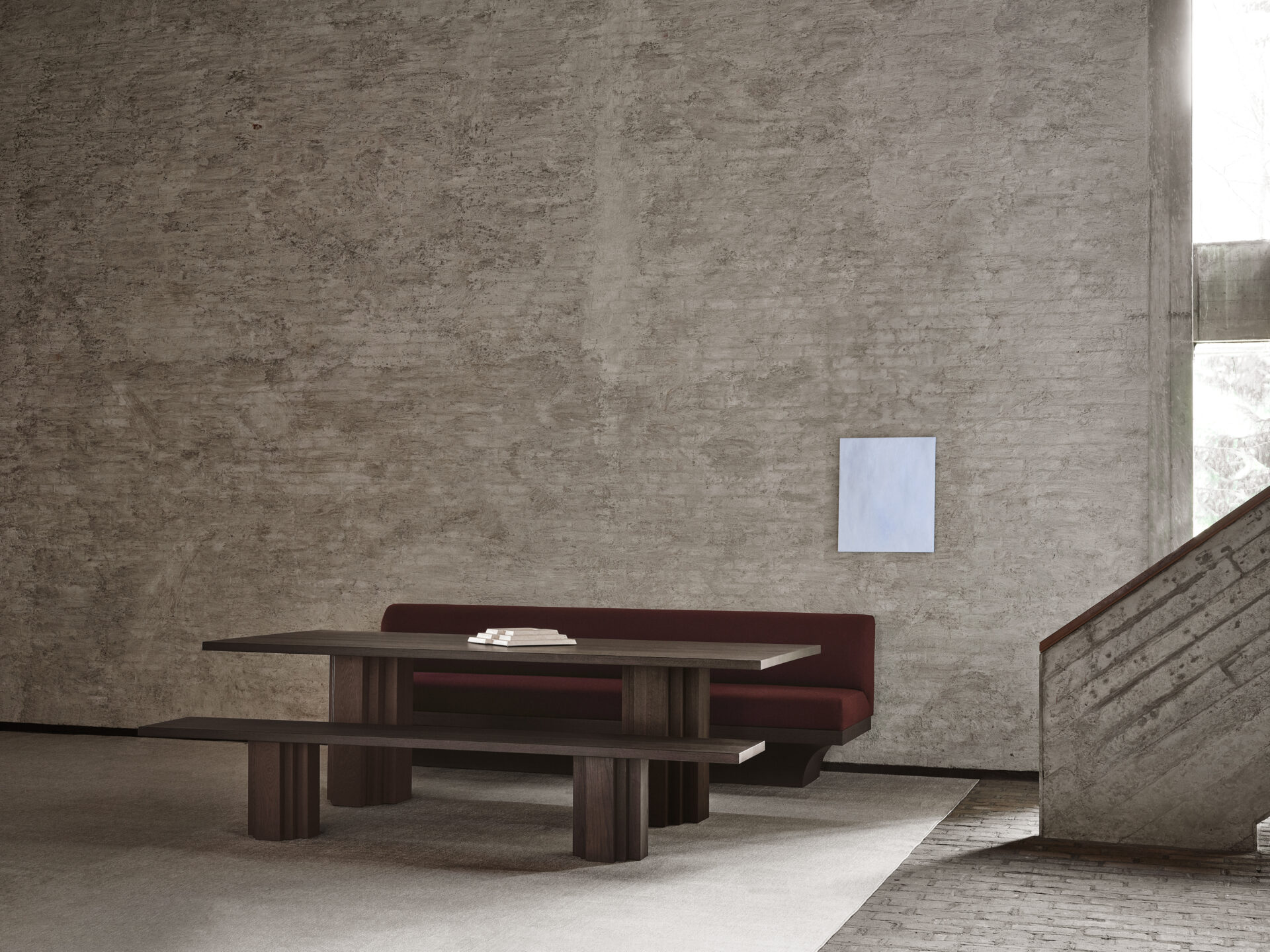
Among the studio’s most formative experiences was a residential project along Amsterdam’s canals. A client—an avid design collector—shared Bos’s reverence for Japanese aesthetics. “He trusted me completely,” he says. “He encouraged collaboration with local artisans, and pushed me to go further.” That project gave birth to the Hari coffee table—the first piece of Mokko’s current collection.
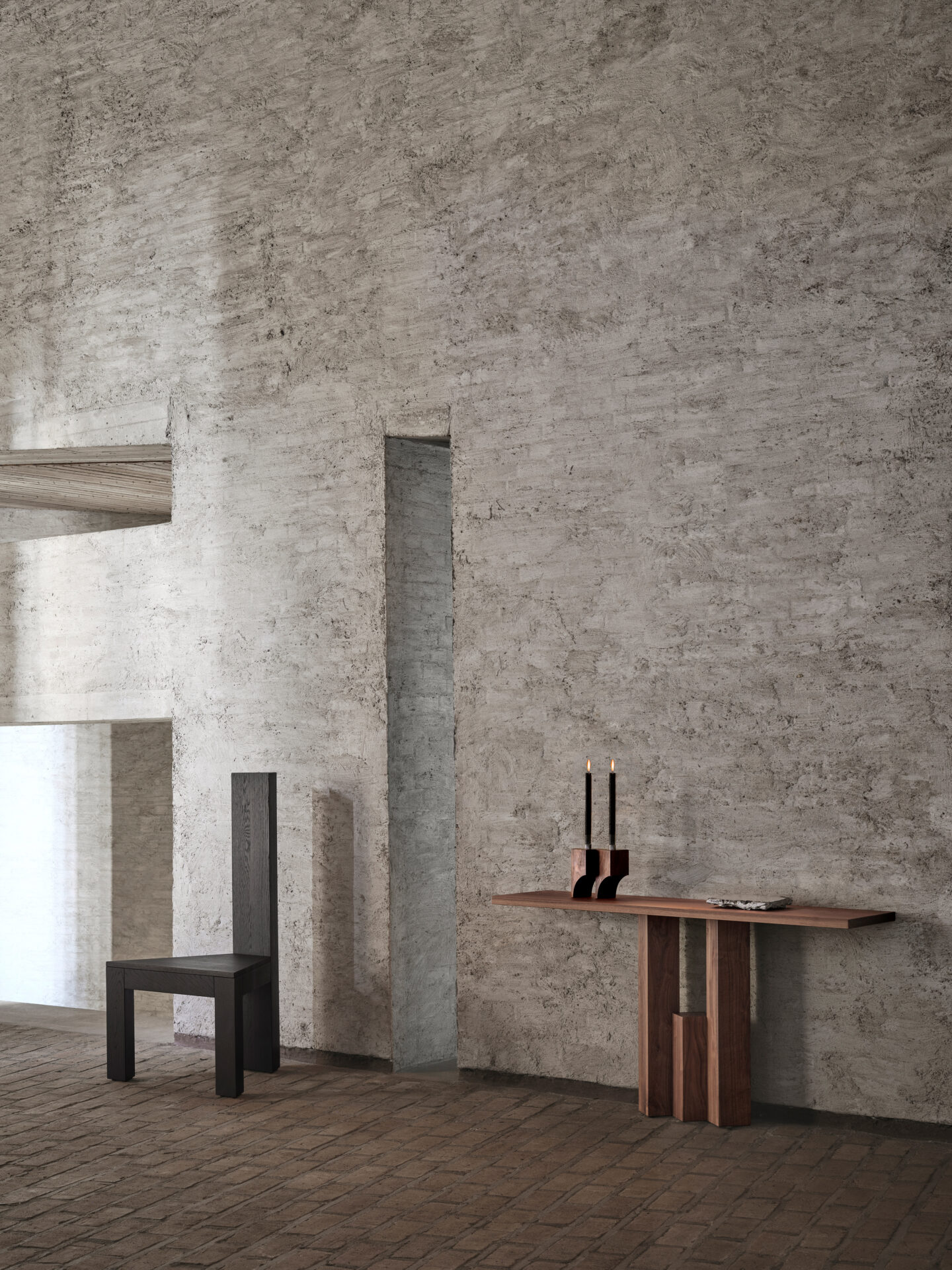
MOKKO Archives
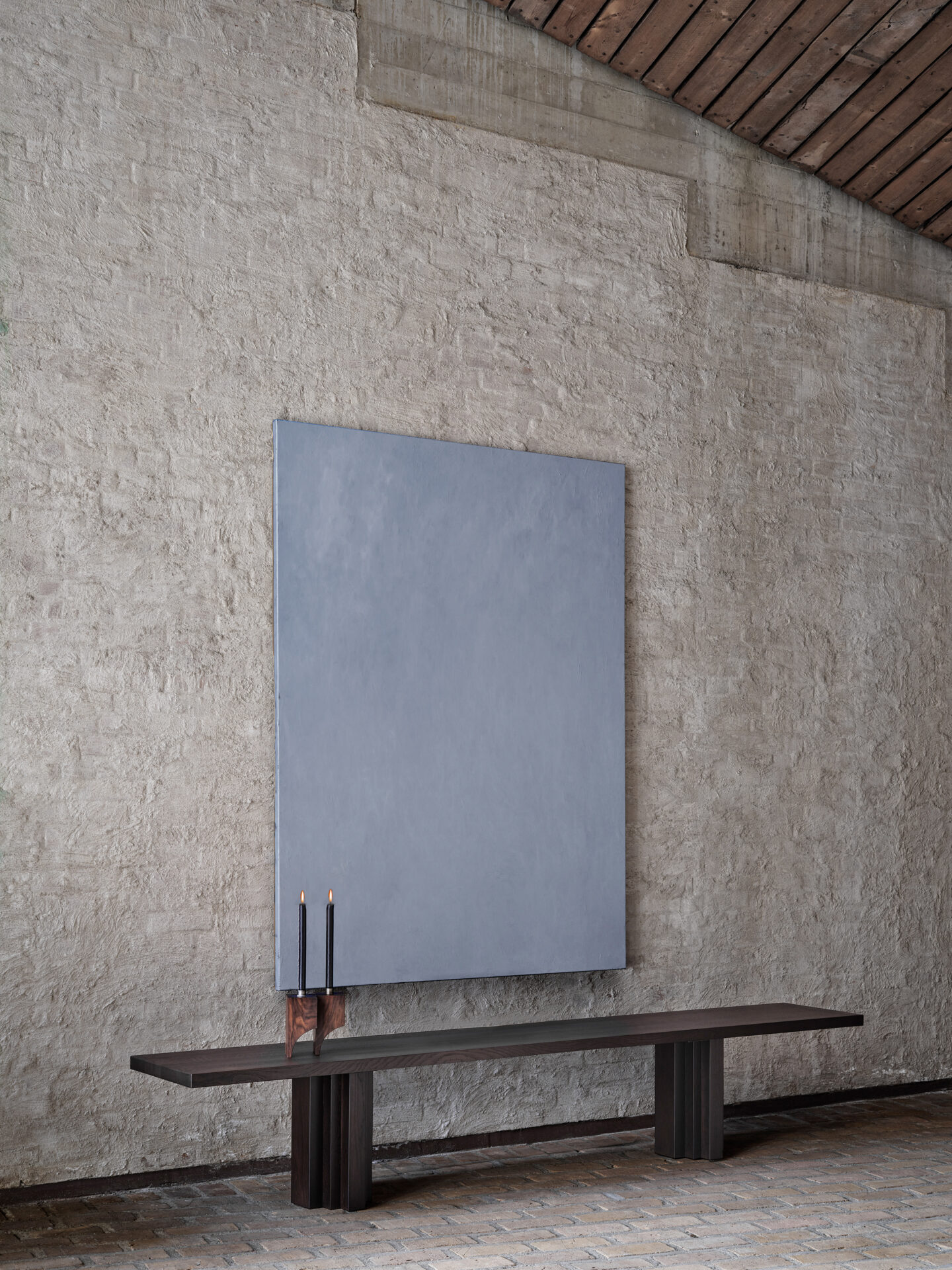
MOKKO Archives
The Mokko studio is nestled near Vondelpark, within cycling distance of home, school, and inspiration. “After dropping off my son, I start the day in silence—just me, my coffee, and a sketchpad.” That first hour is sacred: design for its own sake, without commercial purpose. The rest of the day bends to production, collaboration, and whatever the studio demands—installations, photography, even studio repairs. “We’re a small team, but very adaptable.” Lunch is modest, often shared. The mood is calm. “Friends drop in. Family stops by. It’s a working studio, but also a lived-in one.”
Travel remains a source of renewal. “Walking through a zen garden or an Italian piazza—observing materials, proportions, quiet moments—that’s where ideas come from.” Stepping outside is what allows Bos to return with fresh eyes. When asked what he would tell emerging designers, the answer is resolute: “Don’t stop at what’s ‘good.’ Keep going until it feels like you. That’s the difference between product and purpose.”
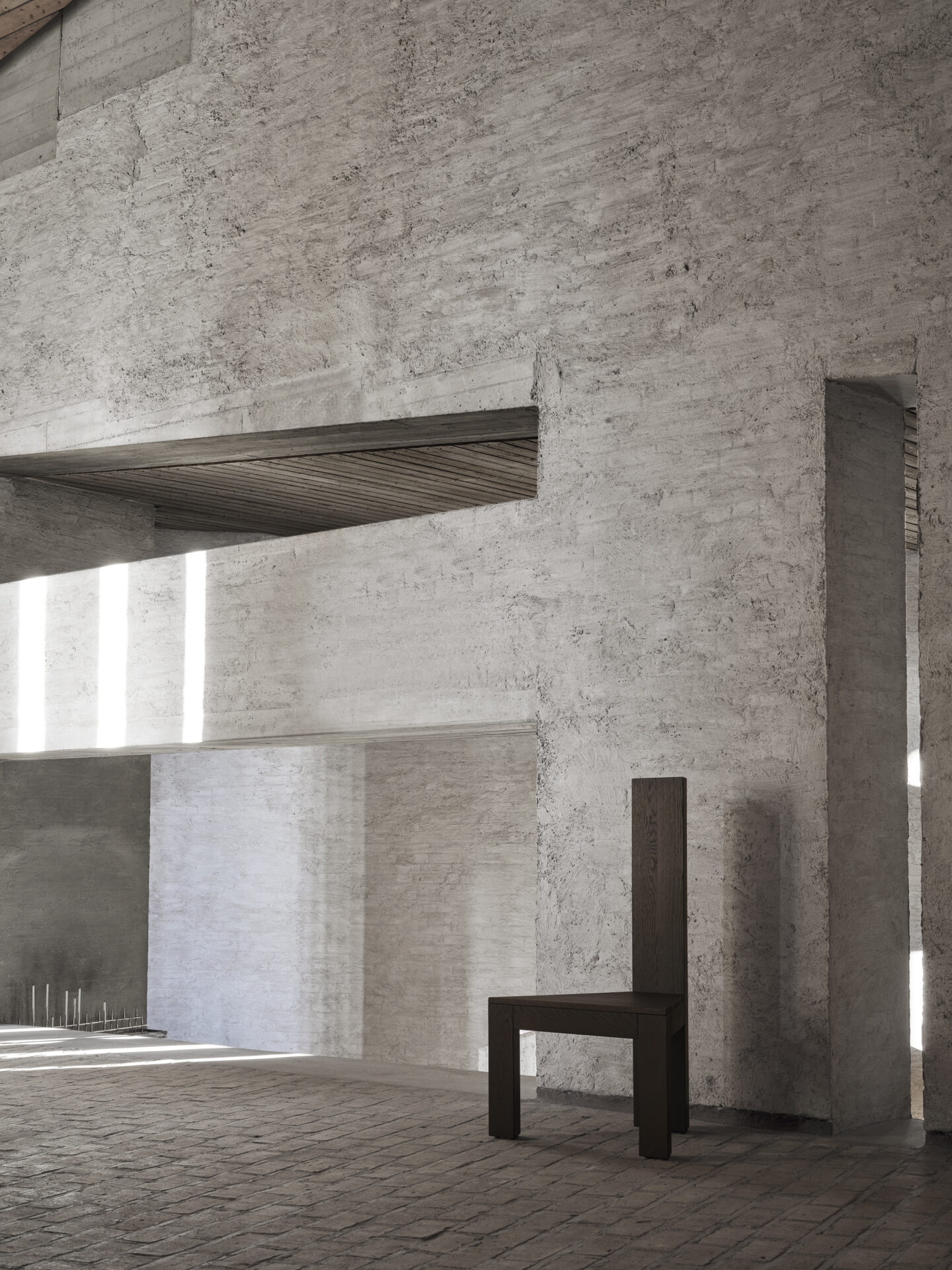
MOKKO Archives
At Mokko, purpose is not a slogan—it’s a discipline. Quiet, grounded, and lasting.