Designers (24)
Close
In an era where CGI and studio franchises reign supreme, Tarsem Singh emerges as a true visionary in the realm of filmmaking. His magnum opus, “The Fall,” released in 2006, is a glowing testament to his unparalleled aesthetic and relentless dedication to cinematic artistry. The film, a fantastical journey that spans continents and cultures, is a rich tapestry woven from Singh’s eclectic experiences and boundless imagination.
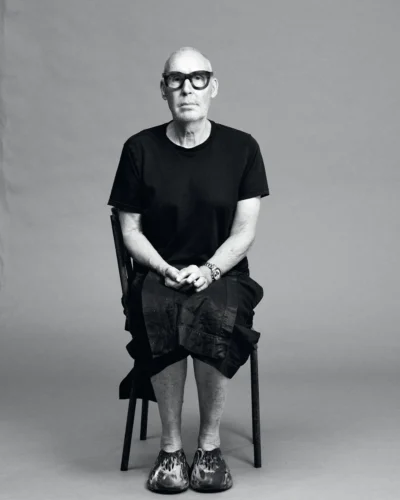
Tarsem Singh’s journey began in Jalandhar, Punjab, in 1961. From the bustling streets of India to the creative sanctum of the Art Center College of Design in Pasadena, his love for visual storytelling blossomed. This laid the groundwork for a career that would defy conventional filmmaking norms. Initially known for his work in commercials and music videos, Singh’s striking visual style quickly set him apart. However, it was his feature films that truly showcased his genius.

“The Fall” is not just a movie; it’s an experience, an odyssey into the depths of human imagination. Shot in over 20 countries, the film tells the story of a bedridden stuntman who spins a fantastical tale for a young girl recovering in the same hospital. This narrative within a narrative is a kaleidoscope of vibrant landscapes, intricate costumes, and surreal imagery. Each frame is meticulously crafted to transport viewers into an otherworldly realm.
The production of “The Fall” was as epic as the film itself. Singh’s commitment to authenticity led him to eschew CGI in favour of real locations, a decision that took the crew to remote and often challenging environments. From the deserts of Namibia to the lush jungles of Bali, each location was chosen for its unique visual impact, contributing to the film’s dreamlike quality. In Namibia, the stark, otherworldly landscapes of the Namib Desert provided a dramatic backdrop for some of the film’s most haunting scenes. The contrast between the endless sands and the vibrant costumes of the characters created a striking visual dichotomy that is hard to forget.

In Bali, the verdant jungles and ancient temples added a mystical layer to the film’s narrative. The island’s rich cultural heritage and stunning natural beauty were seamlessly woven into the storyline, creating a sense of wonder and adventure. These locations were not just backdrops but integral elements that enhanced the story’s magical realism.
The intricate costumes and set designs were another testament to Singh’s dedication to visual authenticity. Drawing inspiration from diverse cultural motifs, each costume was a work of art. The vivid colours, elaborate patterns, and intricate details of the costumes helped bring the characters and their fantastical world to life. Each set piece was carefully designed to reflect the story’s themes, blending elements of reality and fantasy in a way that was both visually stunning and emotionally resonant.
Integral to this visual feast was the work of cinematographer Colin Watkinson. His eye for detail and masterful use of light and composition brought Singh’s vision to life in ways that were both breathtaking and intimate. Watkinson’s ability to capture the grandeur of natural landscapes while maintaining a focus on the characters’ emotional journeys added depth to the film. His collaboration with Singh was a harmonious blend of artistry and technical prowess, resulting in a visual experience that lingers long after the credits roll.
The cast of “The Fall” was as carefully chosen as its locations. Lee Pace, who played the dual roles of Roy Walker and the Bandit, brought a nuanced performance that captured the character’s pain, vulnerability, and imaginative spirit. Pace’s ability to convey deep emotion and physicality added a layer of authenticity to the fantastical narrative. His chemistry with the young actress Catinca Untaru, who played Alexandria, was a central element of the film’s success. Untaru’s natural and heartfelt performance brought a sense of innocence and wonder to the story. Her interactions with Pace’s character were both touching and believable, grounding the film’s more surreal elements in genuine human emotion.


Other notable performances included Justine Waddell as Nurse Evelyn and Sinclair, the Mystic, and Julian Bleach as the skeletal villain Governor Odious. Each actor brought their character to life with a blend of theatricality and emotional depth, contributing to the film’s rich tapestry of storytelling.
The music in “The Fall” was another critical element that elevated the film’s emotional and aesthetic impact. Composed by Krishna Levy, the soundtrack blended classical orchestration with cultural influences from around the world. The music served as both a narrative device and an emotional undercurrent, guiding the audience through the film’s shifting tones and landscapes. One of the most memorable pieces is Beethoven’s 7th Symphony, which plays during the film’s climactic montage. The powerful, emotive score underscores the intensity of the scenes, enhancing the visual spectacle and emotional depth. The use of this classical piece ties the film’s themes of struggle, redemption, and imagination together, creating a cohesive and impactful viewing experience.

Singh financed “The Fall” largely out of his own pocket, a testament to his unwavering belief in the project. This financial independence afforded him the creative freedom to realize his vision without compromise. The result is a film that feels deeply personal, a reflection of Singh’s own artistic journey and his desire to push the boundaries of conventional storytelling.
Upon its release, “The Fall” was met with a mixed critical reception. Some praised its visual splendour, while others found its narrative structure challenging. However, over time, the film has garnered a dedicated following, with audiences and critics alike recognizing it as a cult classic. Its influence is evident in the works of filmmakers who seek to blend visual artistry with storytelling in innovative ways.

Tarsem Singh’s career is a testament to the power of artistic vision and the importance of staying true to one’s creative instincts. In an industry often driven by commercial considerations, Singh’s commitment to his craft serves as an inspiration to aspiring filmmakers. “The Fall” remains a shining example of what can be achieved when a director’s vision is matched by their determination to bring it to life.
As I reflect on Tarsem Singh’s contribution to cinema, it is clear that his work transcends the medium. His films are not just visual spectacles but invitations to explore the limitless possibilities of human imagination. In “The Fall,” I find a piece of art that will continue to inspire and captivate audiences for generations to come. The film’s legacy lies not only in its breathtaking visuals but in its profound exploration of storytelling, creativity, and the human spirit.