Designers (24)
Close
Before an image takes shape, there is often a moment of recognition — not yet visual, but emotional. Mike Karlsson Lundgren describes this beginning as a reaction, a search to sense whether something carries presence beneath what is immediately visible. What he looks for first is instinct — the quiet feeling that something resonates before it can be fully understood. That instinct rarely appears in isolation; rather, it is triggered by memory — of places, situations, and feelings accumulated over time. Sometimes the process unfolds intuitively, guided by response and sensation; at other times it becomes more methodical, shaped by knowledge and recollection. In either case, the image begins long before the shutter — in recognition and memory.
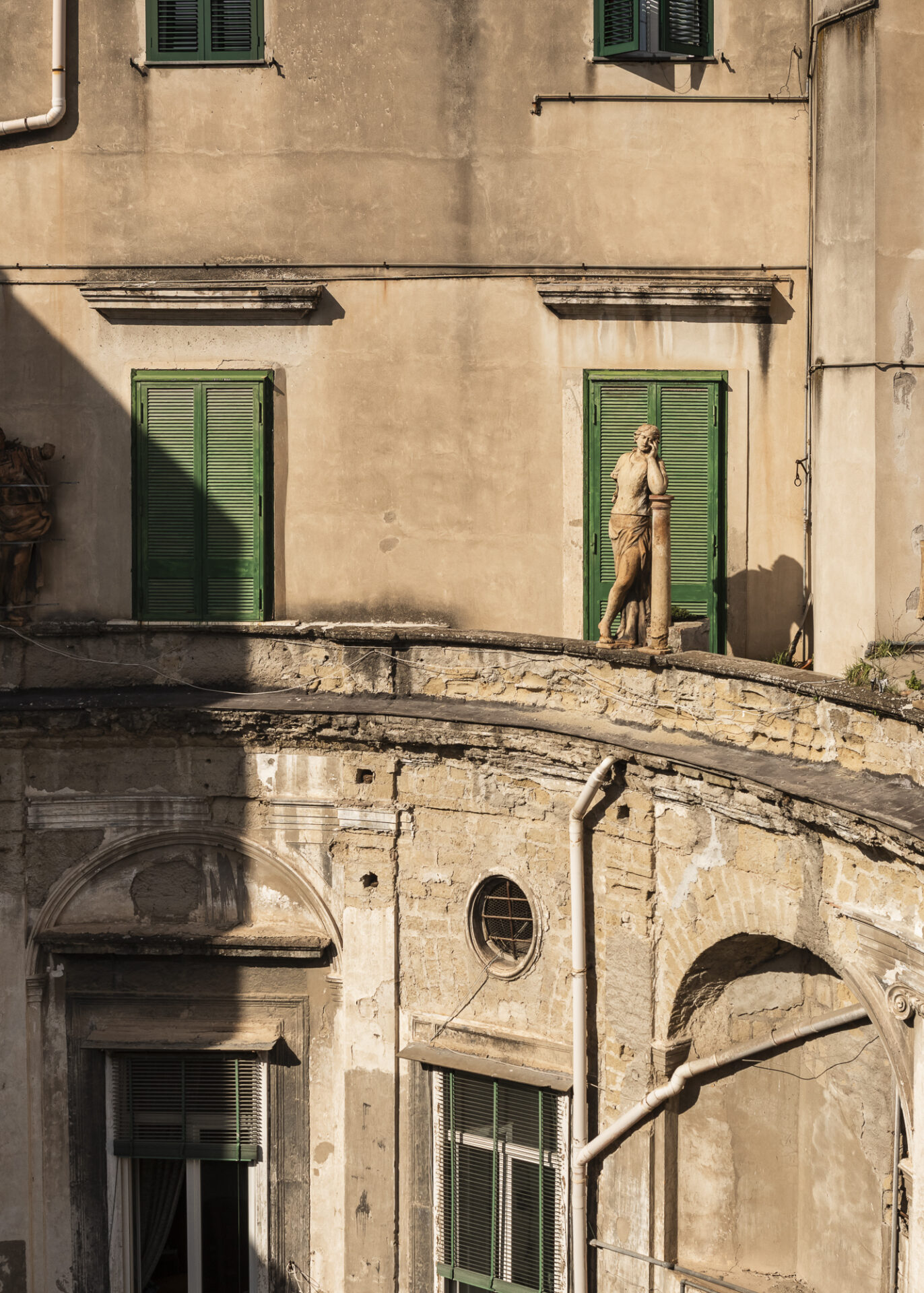
In Napoli. Light resting on stone and memory.
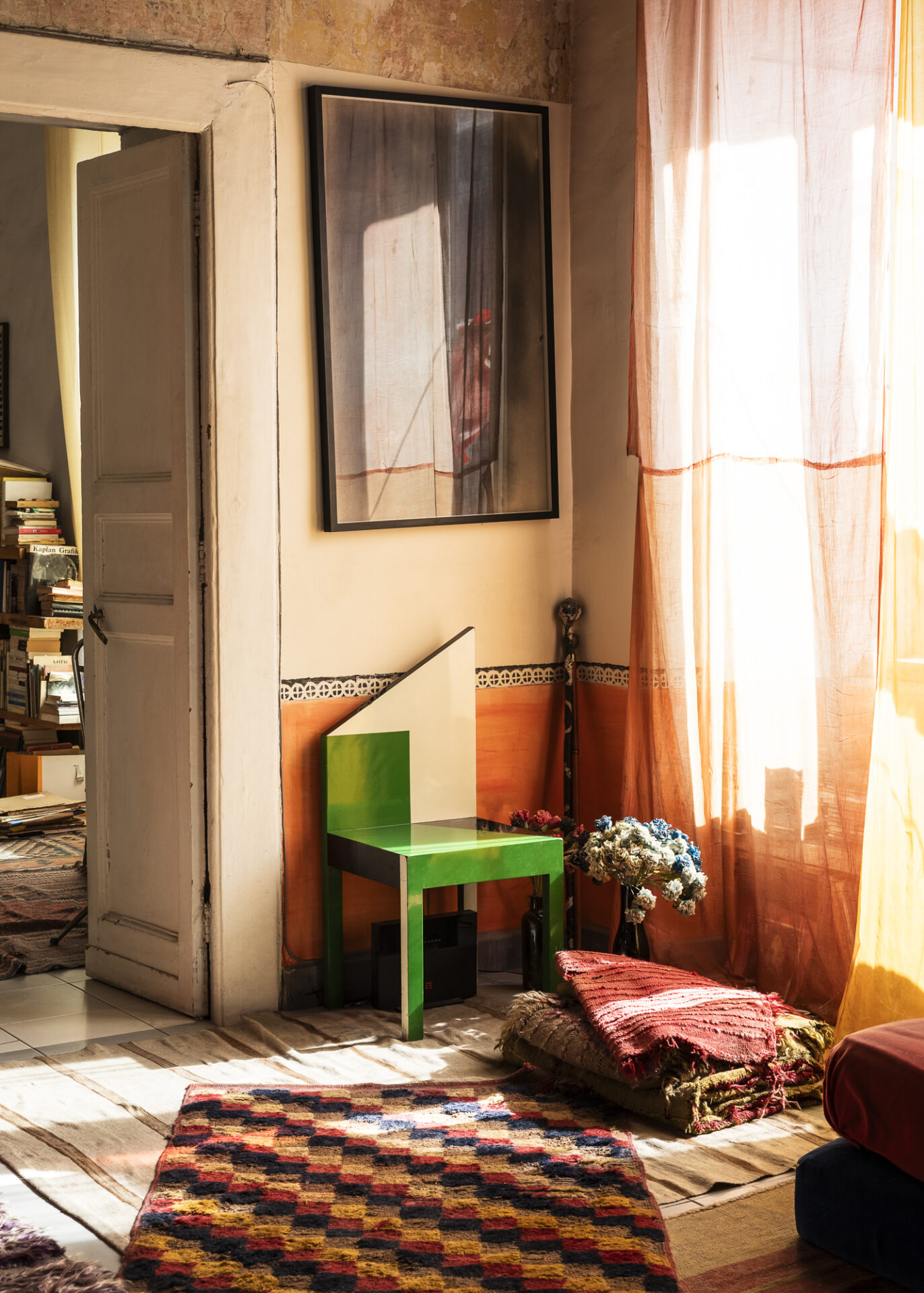
Light, in his work, behaves less like a technical instrument and more like a condition already embedded within a space — something present before intervention begins, shaping atmosphere in ways that feel almost inevitable. He responds warmly to the suggestion that light behaves like weather, acknowledging that its shifting temperament often defines the emotional tone of a place. Rather than forcing illumination into submission, he prefers to recognize what exists and build from it. Working primarily with natural light places him within the subtle territory between extremes, where harsh sunlight or flat darkness rarely hold interest, and where quieter intervals allow light to reveal atmosphere gradually, giving narrative space to emerge without urgency.
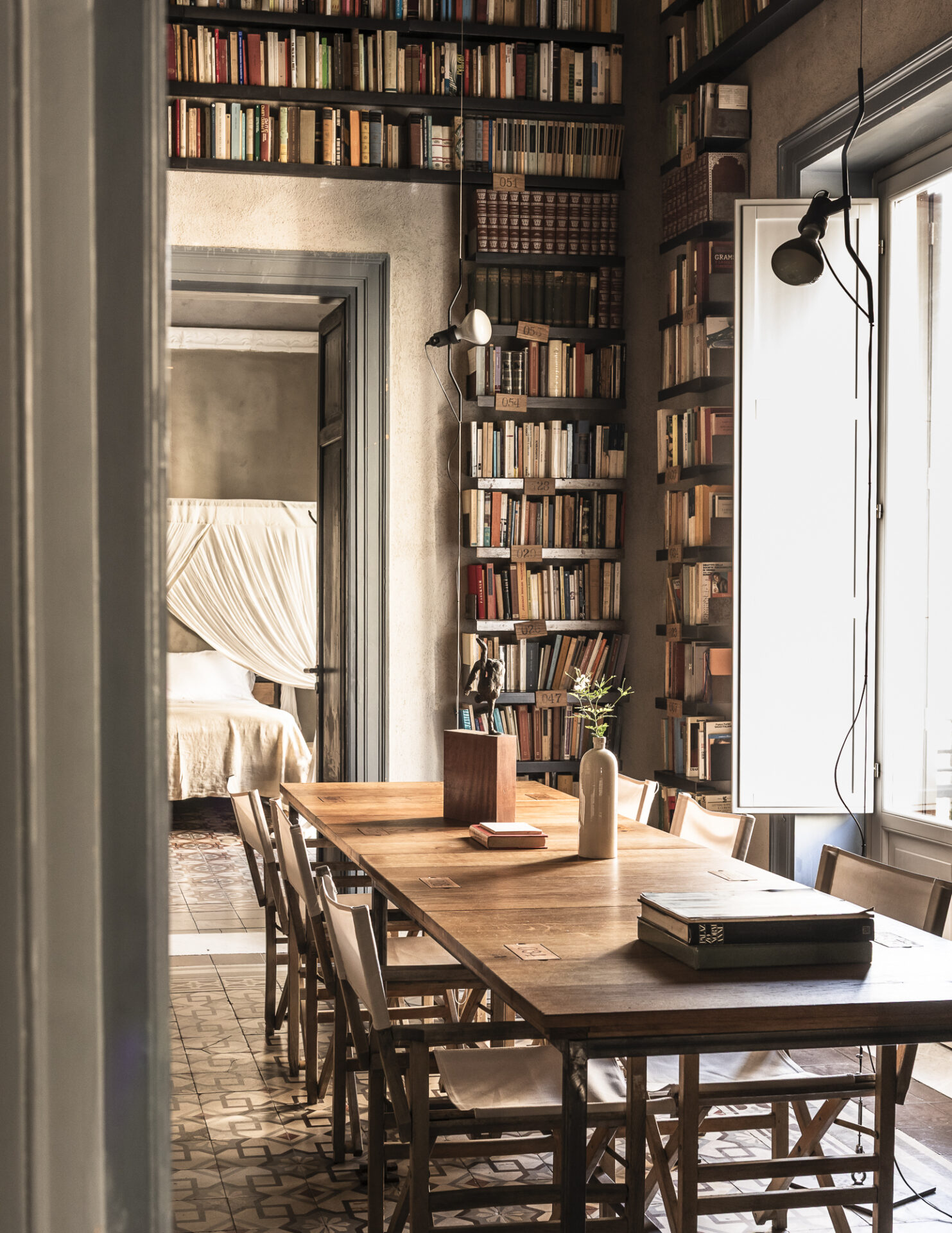
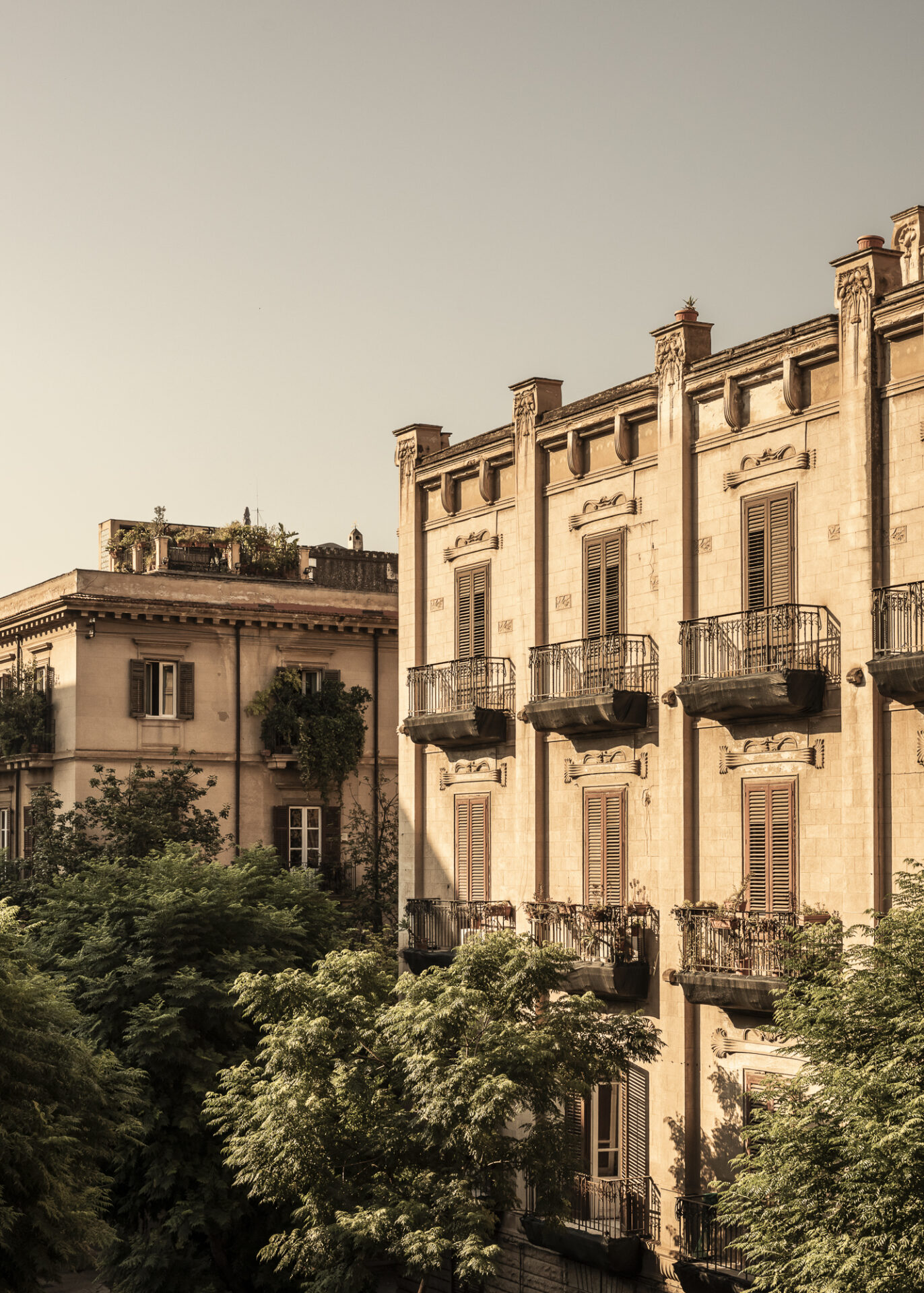
Palermo. Where knowledge and architecture coexist.
Movement between editorial and commissioned work introduces its own tensions, yet he maintains that the photographer’s eye must remain consistent regardless of context. Commercial work carries structure and direction, but clients seek a photographer precisely for their point of view. Even within commissioned assignments, he finds himself returning to earlier experiences — searching for echoes of visual memory as a way of grounding the work. Personal projects, by contrast, offer a space where instinct can lead more freely, allowing images to be made without restriction. These often become templates that later inform professional commissions, creating a relationship that feels cyclical rather than divided, where discipline, while discipline.
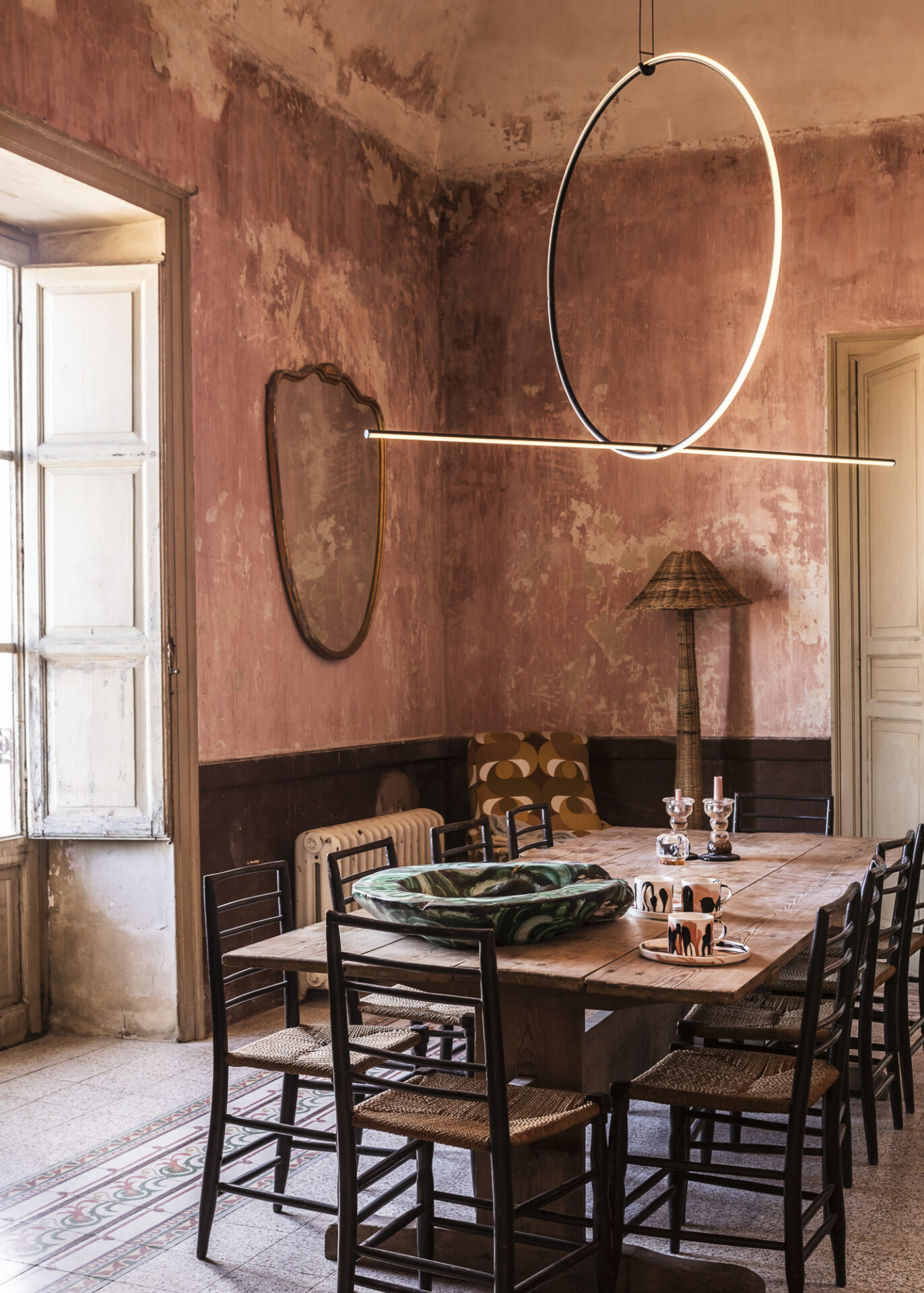
Sicily. Palazzo Cirillo, where history remains visibly present.
Places themselves must hold character, not simply through appearance but through the clarity of their presence. Light remains essential, yet personality within a space becomes equally decisive, guiding how he responds to its atmosphere. He often finds himself drawn toward calm, monochrome environments where surfaces carry tactile depth, though he can respond with equal energy to eclectic or colourful interiors when they possess conviction and direction. Beauty, in whatever form it appears, provides orientation, while spaces that lack direction risk becoming indistinct, losing the personality that gives them meaning. Much of his work begins with recognizing what is already there before making any intervention, and when adjustments occur, they remain restrained — an object shifted slightly, one element removed, another added — gestures that refine rather than transform.
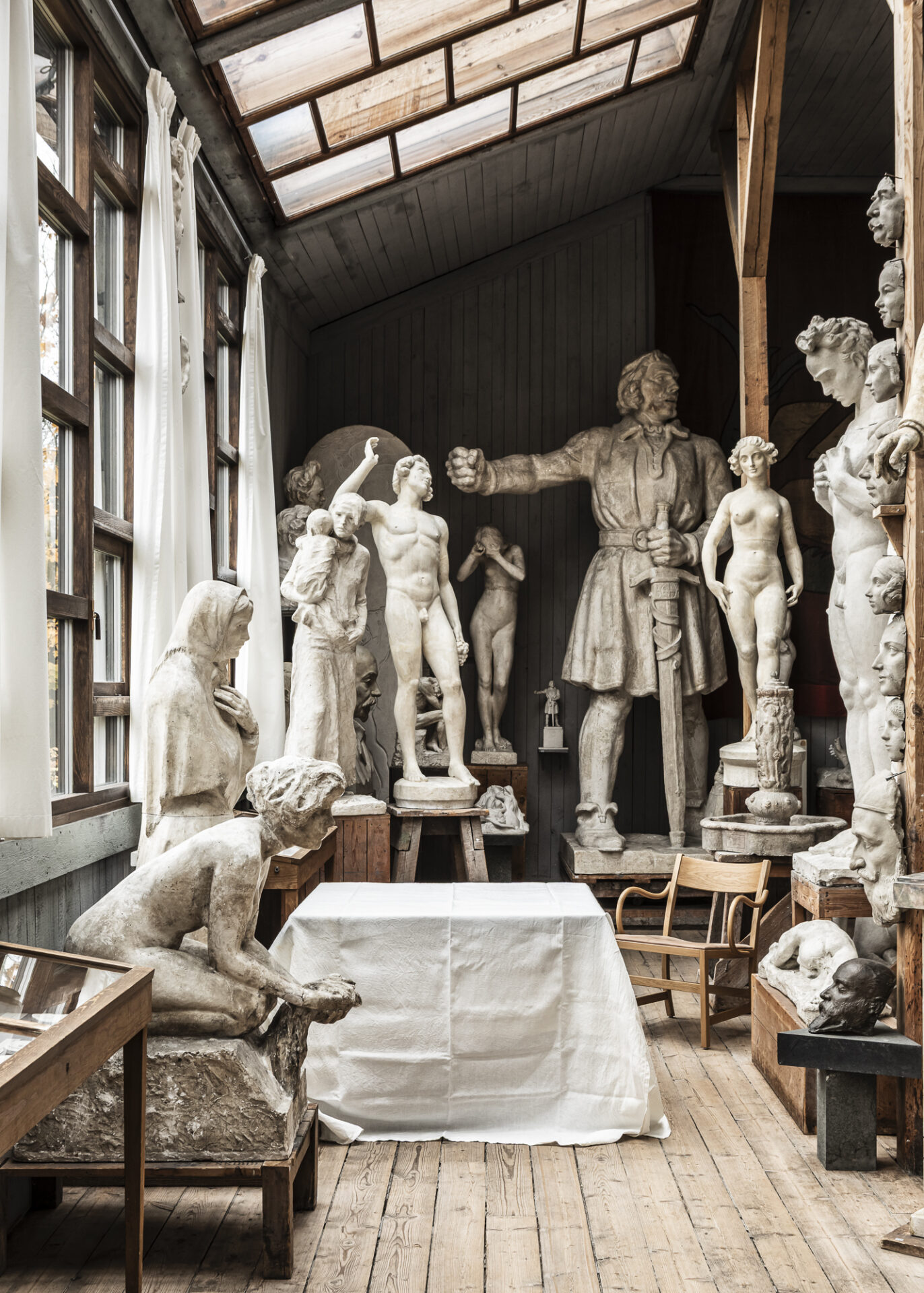
Stockholm. Carl Eldhs Ateljémuseum, preserved in form.
Materiality holds a steady place within this process, and he speaks often of tactility — sometimes with humour, acknowledging that he may overuse the word, yet returning to it because it continues to shape how he sees. Surfaces frequently carry more weight than colour alone; as he notes, he often finds himself drawn more strongly to texture than to hue, though colour, when balanced well, brings quiet satisfaction. Images carry traces of earlier experiences — fragments of atmosphere or memory that remain present without becoming literal references — so that observation becomes less about documentation and more about sensing presence.
Time becomes a collaborator rather than an obstacle, especially because working with natural light requires patience and attentiveness to its movement. Early morning and late afternoon offer slower transitions, when light drifts gradually across surfaces and compositions shift with measured rhythm, creating moments that feel almost cinematic. When sunlight grows harsher and movement accelerates, he gravitates toward shadow — north-facing rooms or subdued conditions where time appears to slow. In these quieter environments, longer exposures allow tonal depth to accumulate gradually, enabling him, as he describes it, to “paint with all the small gradients,” preserving stillness rather than motion.
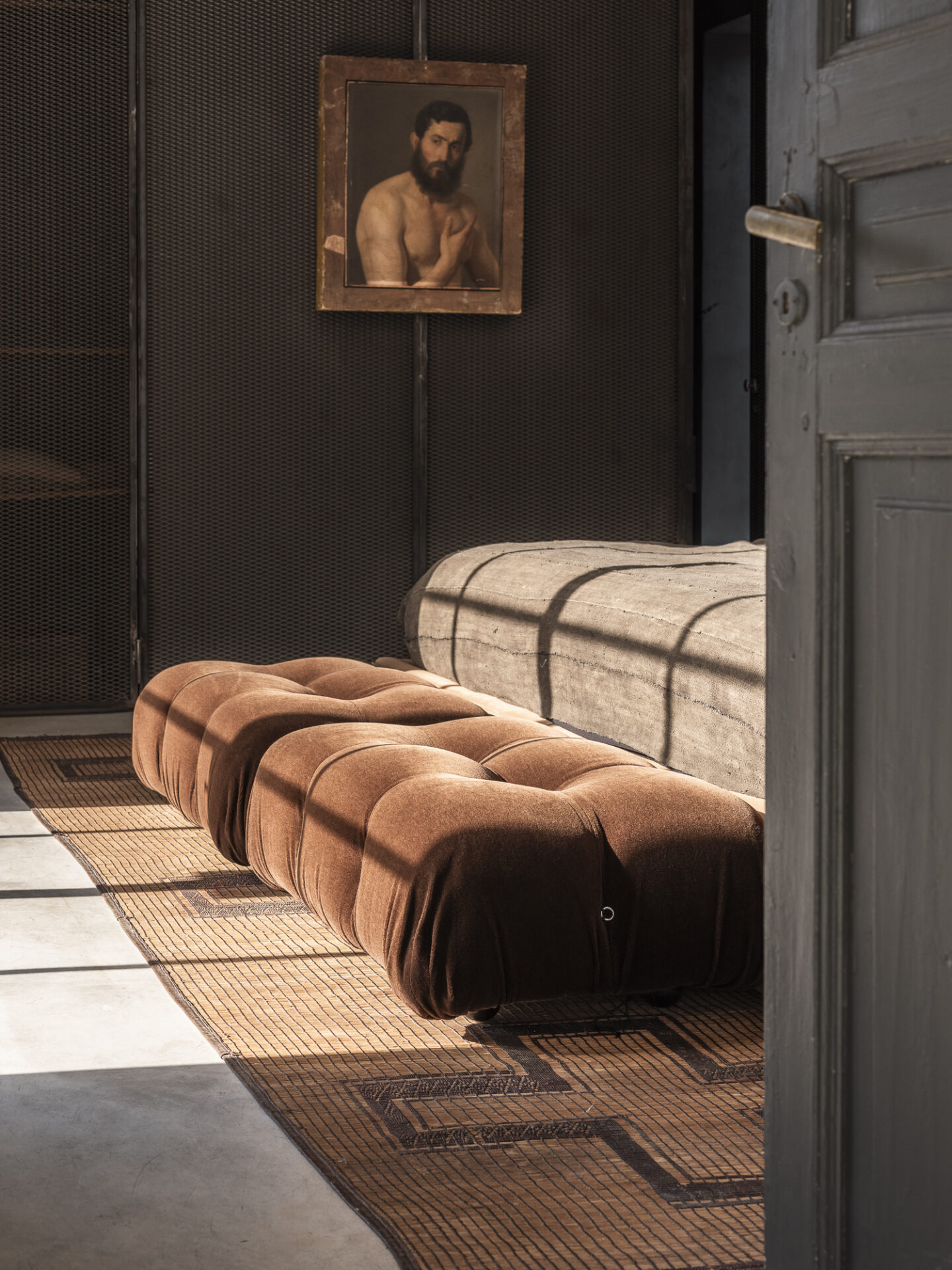
Ostuni. Where living feels unhurried.
Collaboration forms another essential dimension of his practice, shaped in part by his early experiences working alongside stylists, photographers, artists, editors, and art directors. Coming from a background as a stylist and visual collaborator, he understands image-making as a shared endeavour in which sensibilities align through recognition rather than instruction. Successful collaborations emerge not from directives alone but from shared ways of seeing, and people often find one another through the quiet recognition of a similar point of view.
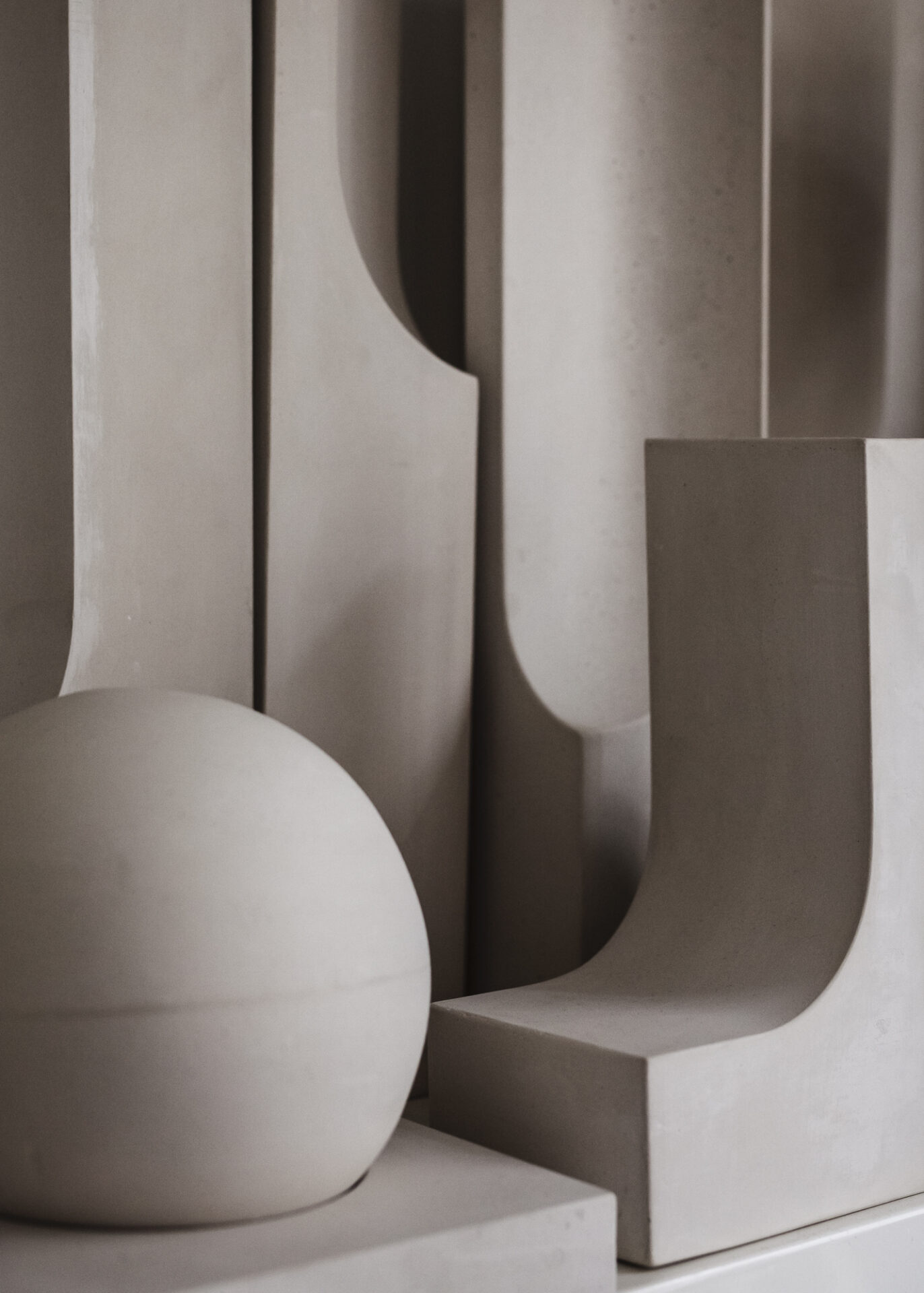
Forms in quiet balance.
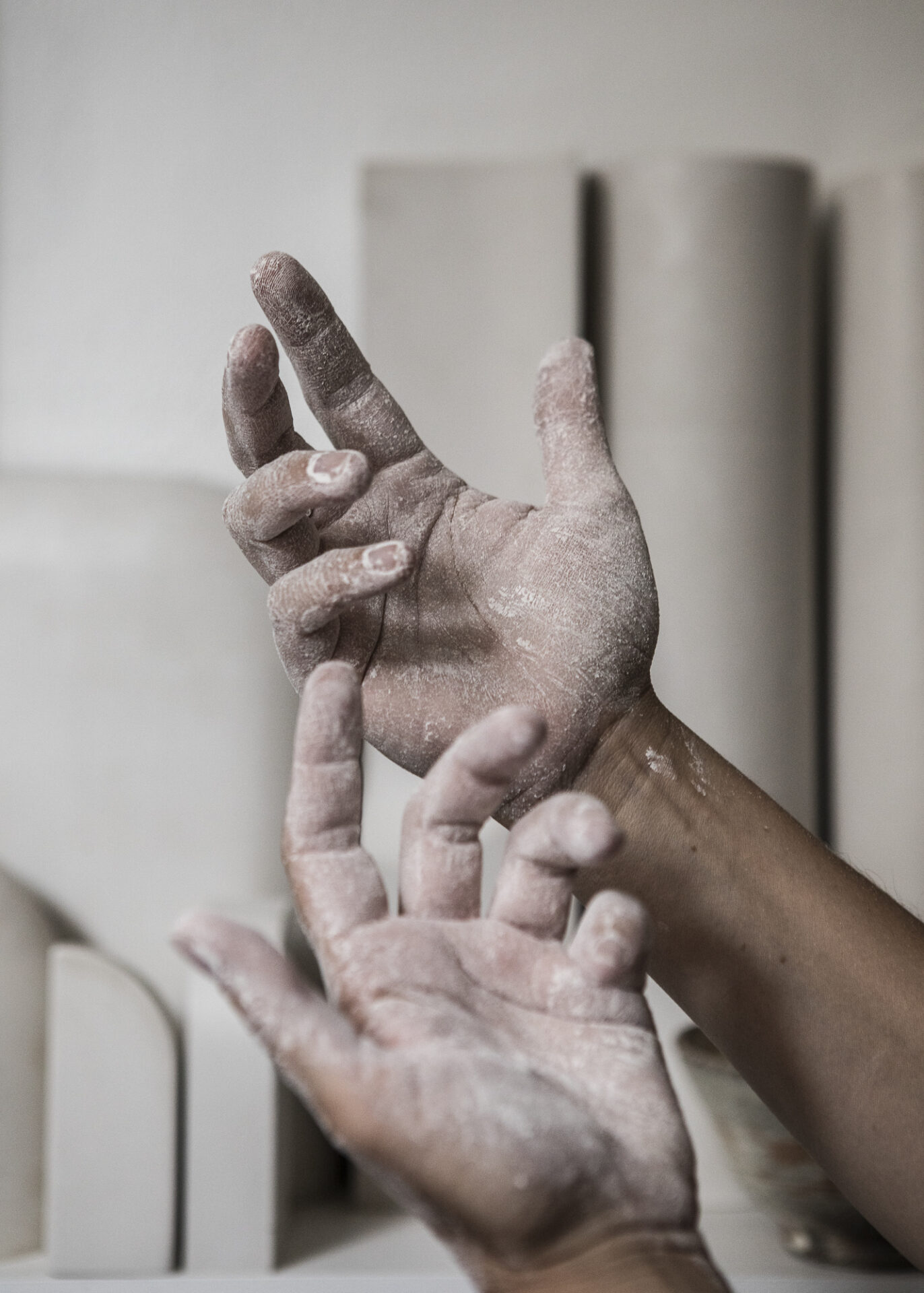
Hands marked by the act of making.
His formative years unfolded within the world of fashion imagery during a period before digital platforms transformed the rhythm of production. Images were created with publication as their final destination, intended for magazine pages or carefully designed books. Layout and sequencing were treated as fundamental components of storytelling, not secondary considerations. From an early-stage he absorbed the discipline of arranging images into coherent narratives that unfold across pages, and that editorial education remains deeply embedded within his thinking, continuing to influence how he approaches pacing, continuity, and the relationship between individual images and larger sequences.
Curiosity remains the force that initiates movement, while memory continues to serve as a tool that shapes direction. Influences extend into film, art, and history — fields that broaden perception and deepen visual understanding. Over time, however, his attention has shifted toward longevity. While fashion once provided energy and immediacy, it also carried a sense of transience — an ongoing pursuit of what comes next — and gradually he found himself drawn toward interiors and design, where objects and spaces are created to endure.
Within these disciplines, things are meant to last, to remain present across years rather than seasons, carrying a sense of continuity that resonates with his own evolving sensibility. That search for longevity — for images that feel less fleeting and more anchored in time — continues to guide his work today, shaping a practice that moves quietly away from novelty and toward permanence, toward images capable of lasting beyond the immediacy of the moment.
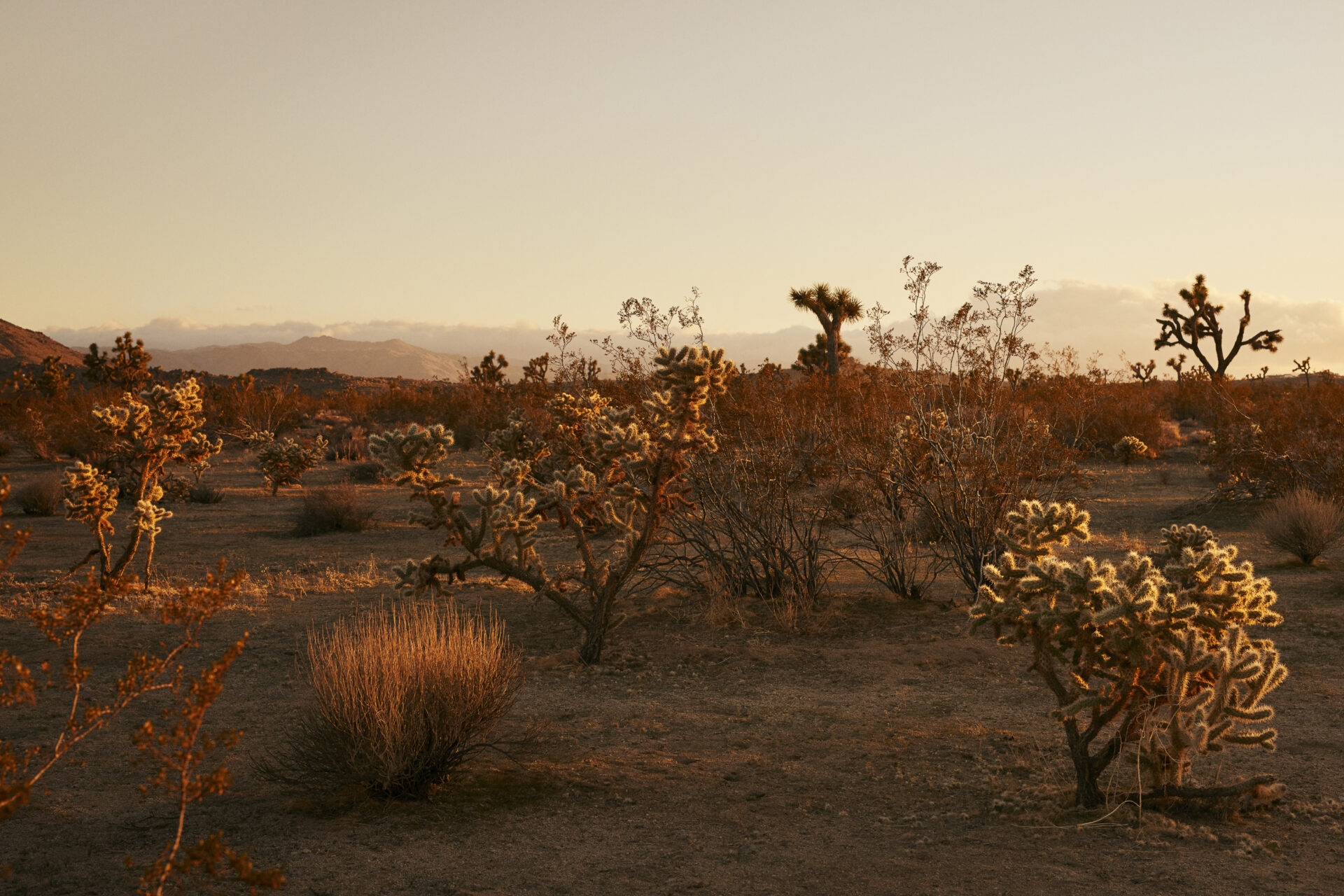
Joshua Tree. Shaped by distance.