Designers (24)
Close
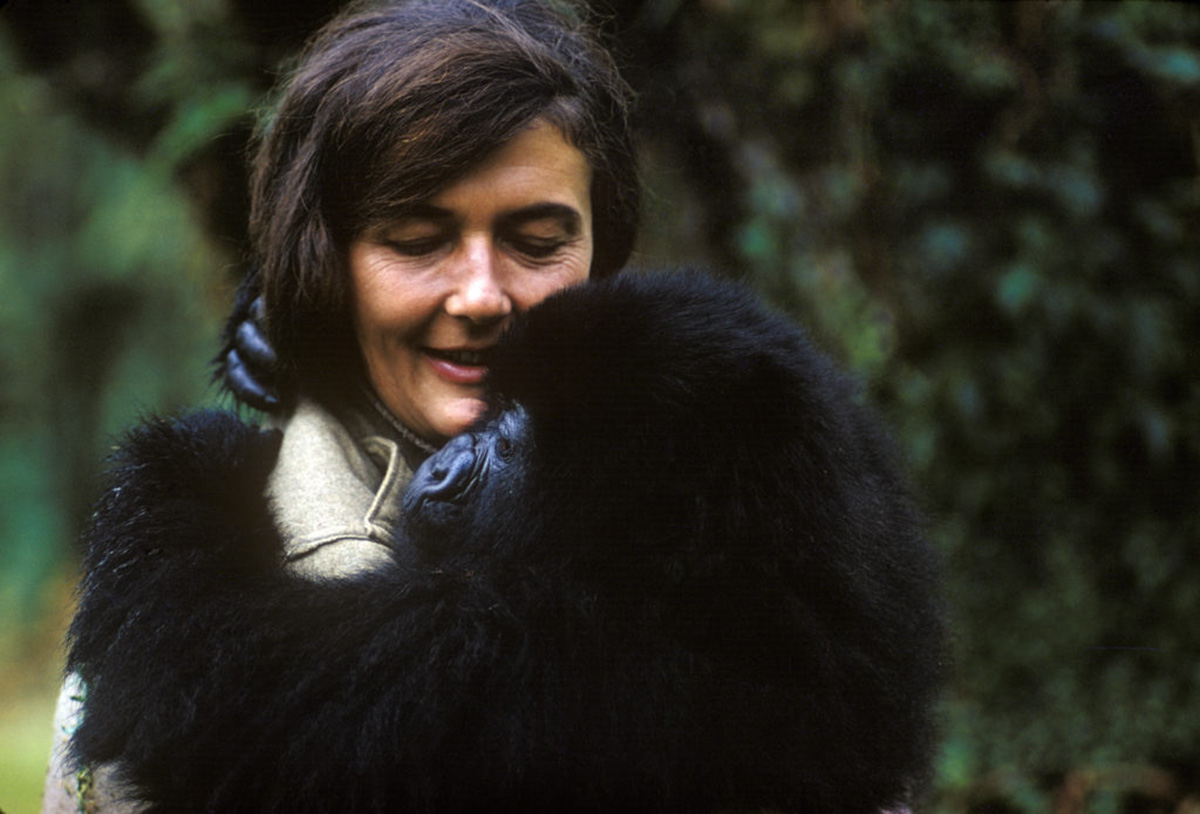
In proximity, she found devotion. Photography by Robert I.M. Campbell
On confrontation, devotion, and the loneliness of refusing to look away
Kindness is often mistaken for gentleness. Softness, accommodation, the avoidance of friction.
Dian Fossey reminds us that this is not always true.
Where others observed from a distance, Fossey chose proximity. She lived among the mountain gorillas of the Virunga Mountains in Rwanda not as a visitor, but as a witness. She learned their gestures, their hierarchies, their grief. She gave them names. In doing so, she crossed a line that science, at the time, was not yet prepared to cross.
Her work did not emerge from neutrality. It emerged from attachment.
Fossey arrived in Africa in 1967, establishing the Karisoke Research Centre high in the volcanic mountains between Rwanda and what was then Zaire. The altitude made breathing difficult, the cold was constant, and supplies arrived irregularly. She was often alone for weeks at a time.
She stayed anyway.
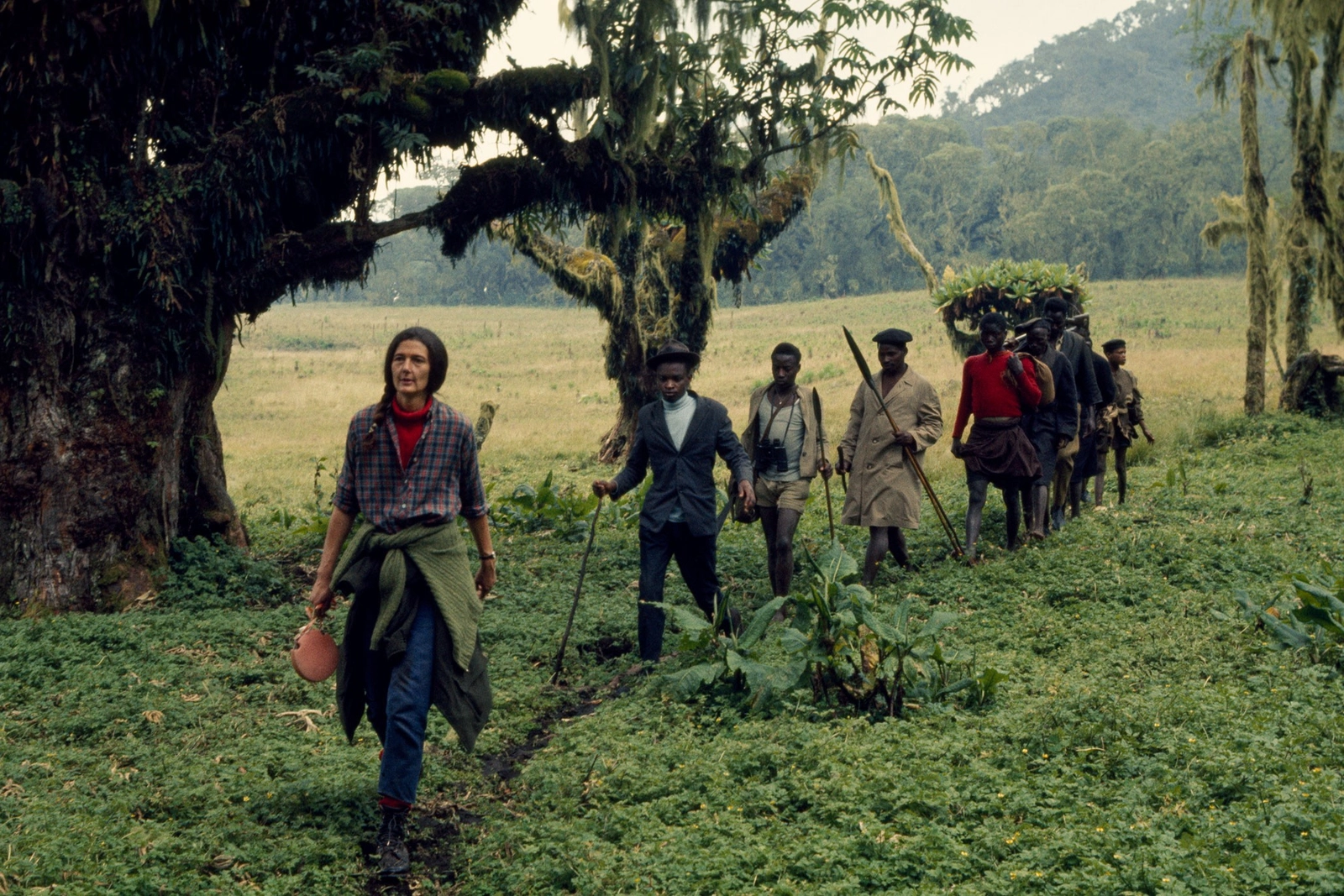
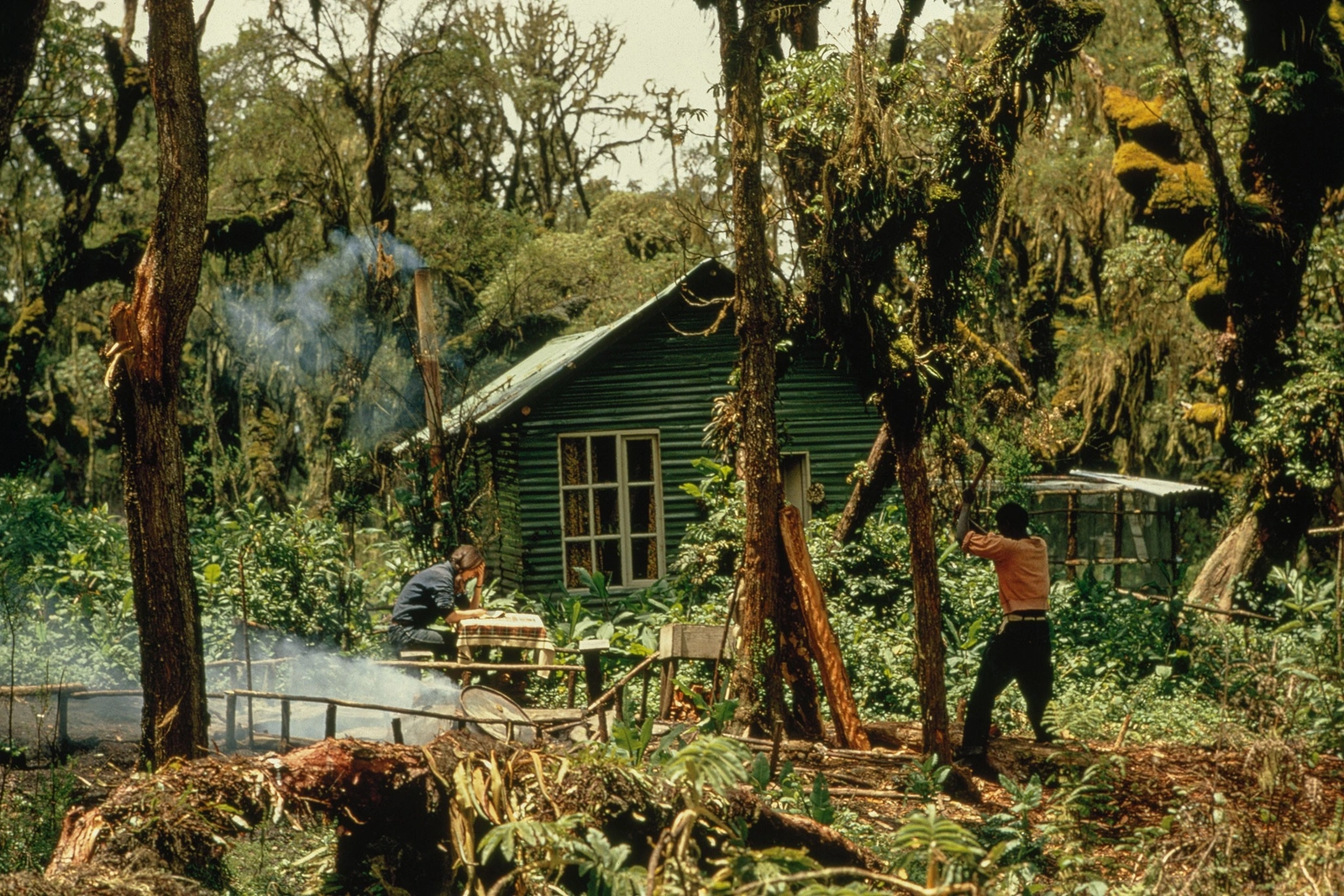
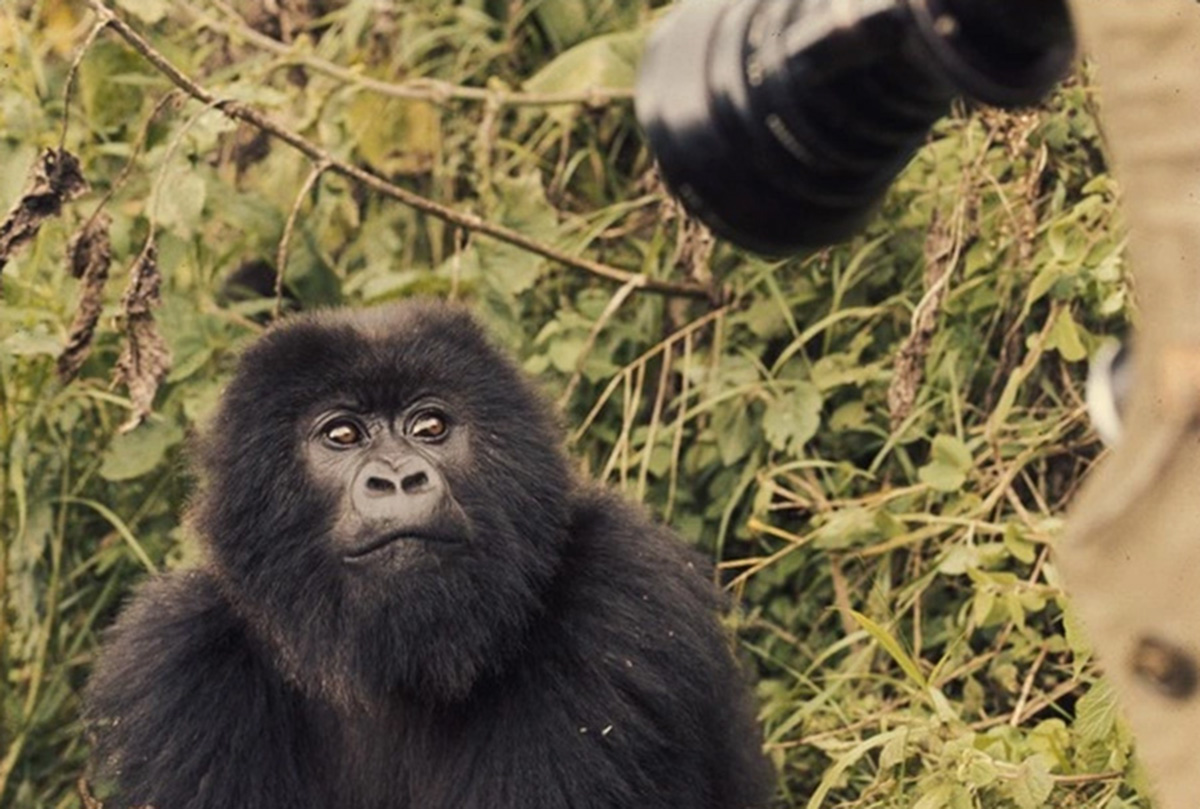
Understanding began with presence. Photography by Robert I.M. Campbell
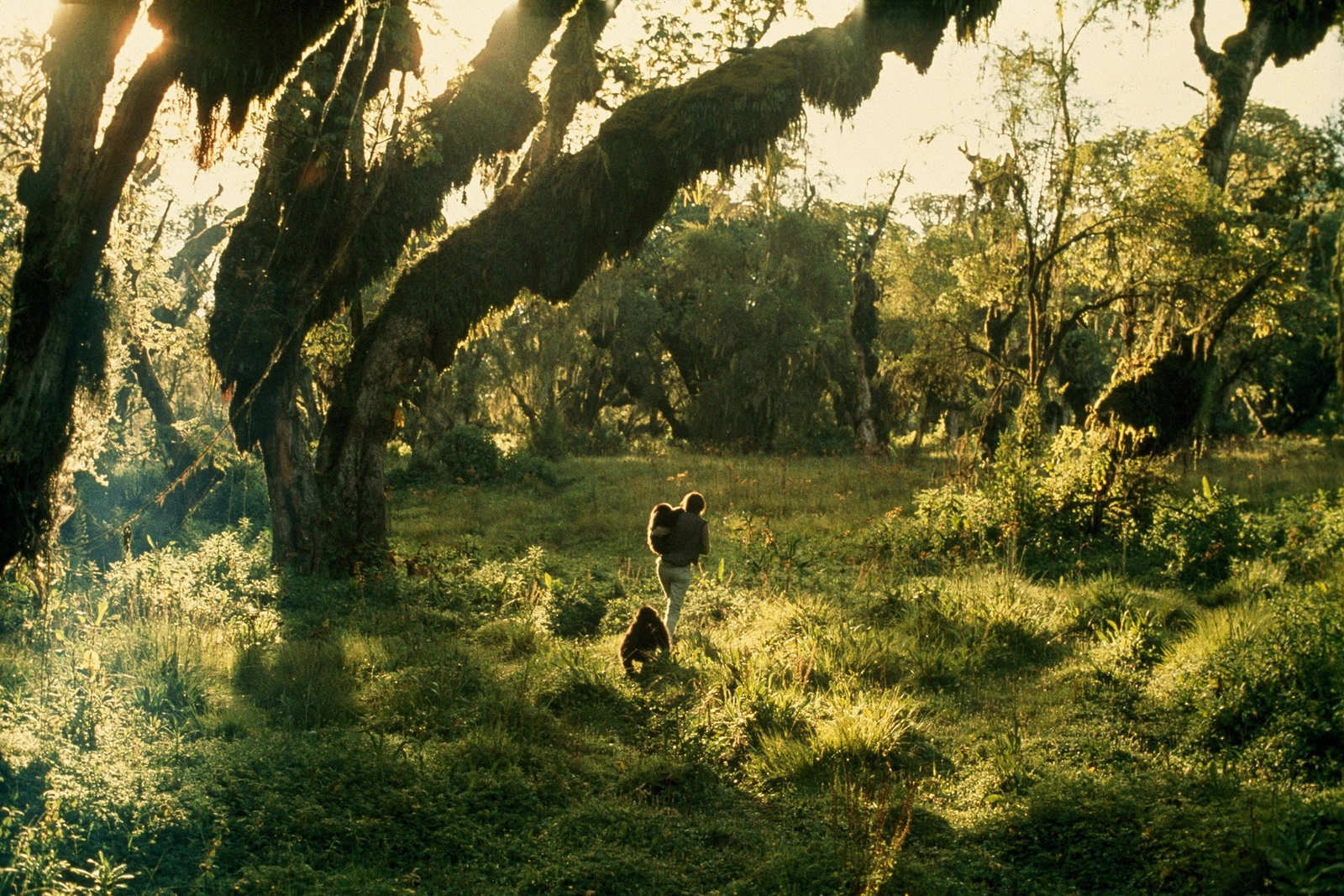
What differentiated Fossey was not only her method, but her response to violence.
As poaching intensified, as gorillas were mutilated for trophies, as infants were stolen and mothers killed, Fossey refused the language of detachment. She documented brutality, but she also intervened. She destroyed traps, confronted poachers, and challenged local authorities, conservation agencies, and even fellow scientists whom she believed were compromising with destruction.
Snares were dismantled by the hundreds. She led night patrols and confiscated weapons. When poachers were caught, she advocated for prosecution with an intensity that alienated potential allies. She was called obsessive, undiplomatic, impossible to work with.
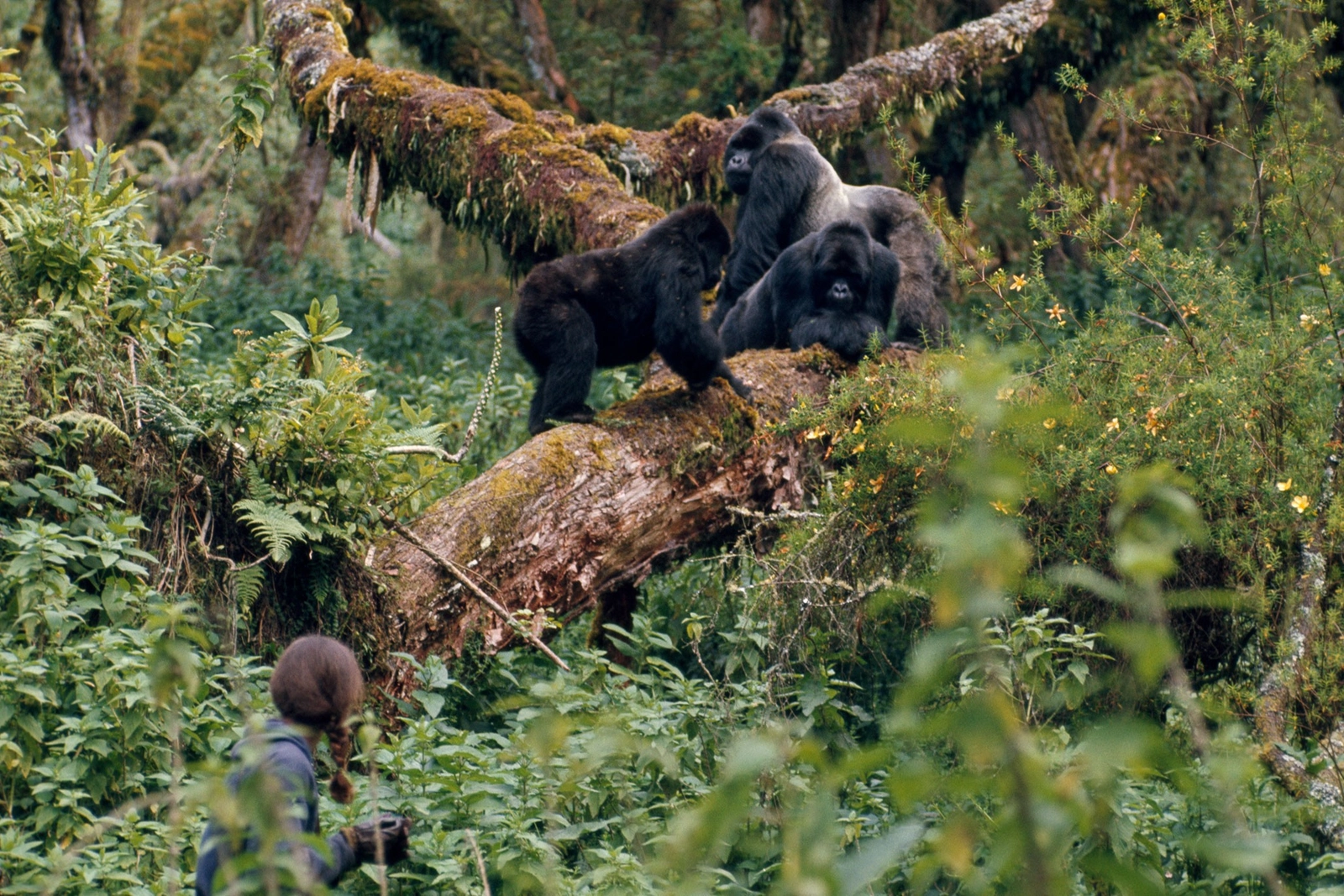
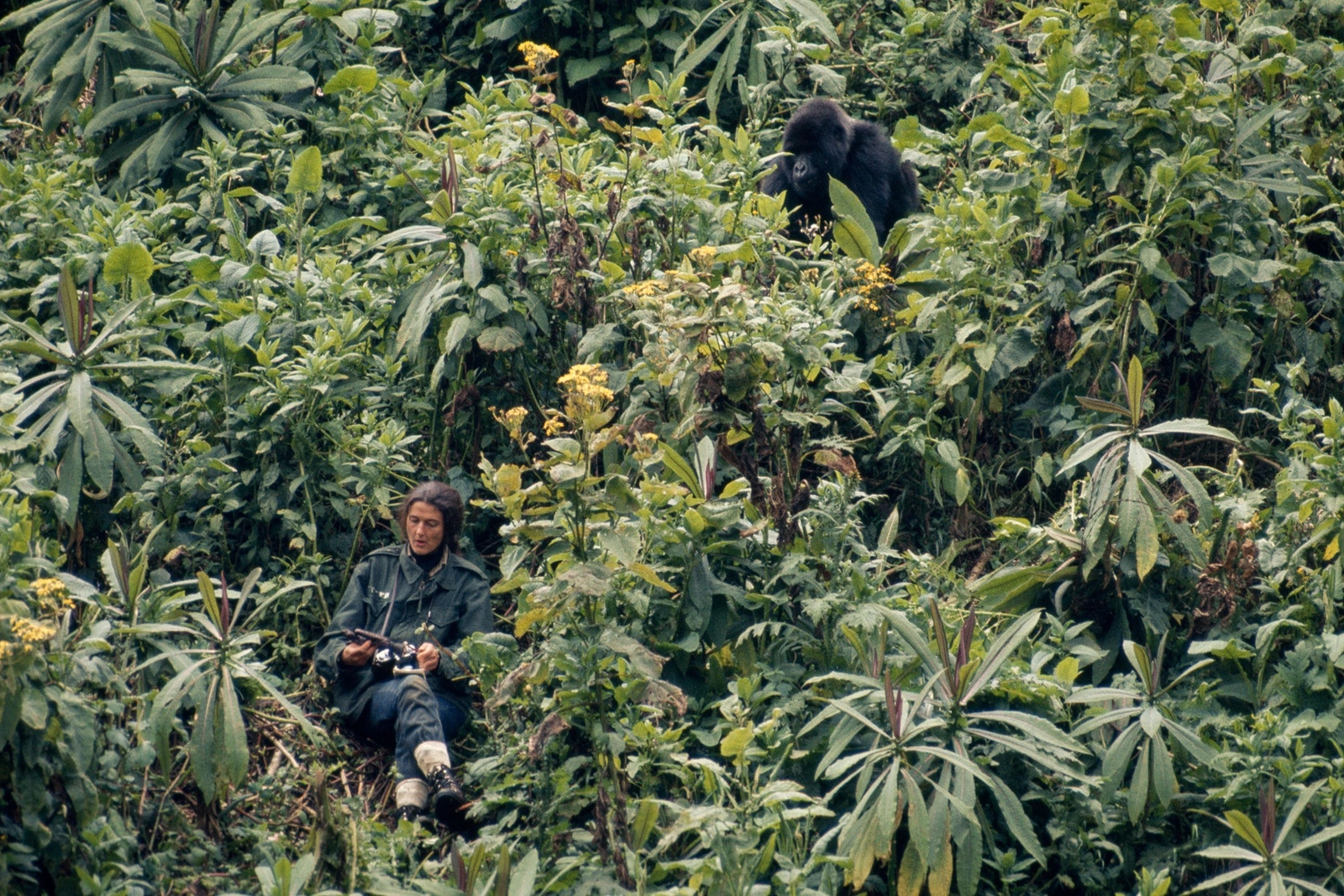
Trust was built in stillness. Photography by Robert I.M. Campbell
This refusal to remain neutral came at a cost. Fossey became isolated, both professionally and personally. The forest became safer for gorillas, but narrower for her. Protection demanded opposition, and opposition demanded solitude.
Her letters from this period reveal the weight of it. She wrote of exhaustion, mistrust, and the grinding difficulty of caring more than the institutions around her seemed willing to care. She grew suspicious of researchers who arrived seeking only data. She fought with the Rwandan government over park management and clashed with conservation organizations that favoured tourism over protection.
Yet the results were undeniable.
The mountain gorilla population, once on the brink of extinction, survived. Not only because they were studied, but because protection became an active practice — one that Fossey insisted upon, often at great personal cost. Her legacy is not only scientific data or behavioural insight. It is the uncomfortable truth that care, when taken seriously, disrupts systems.
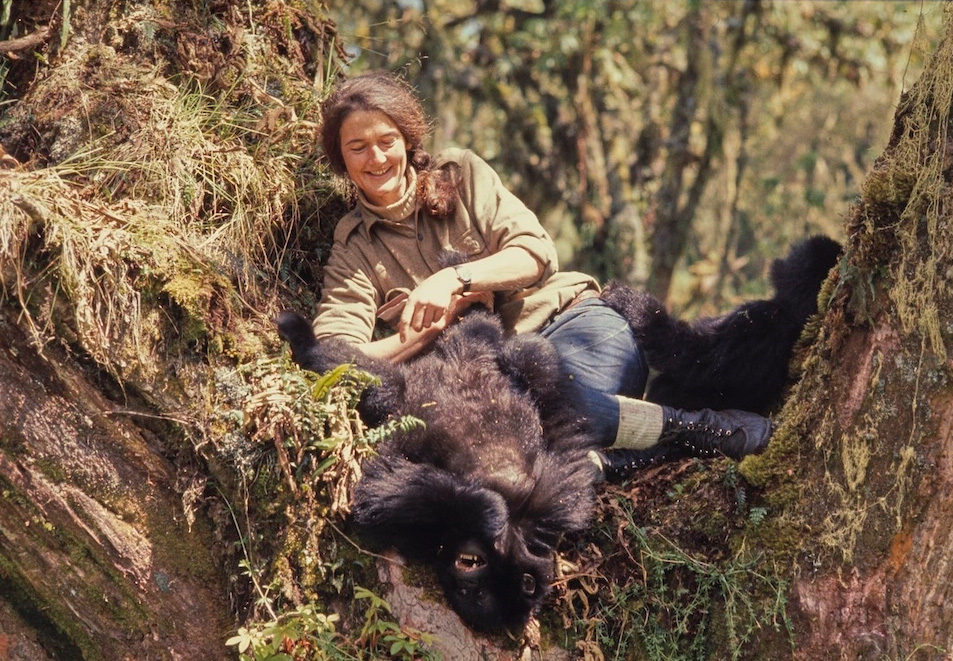
Photography by Robert I.M. Campbell
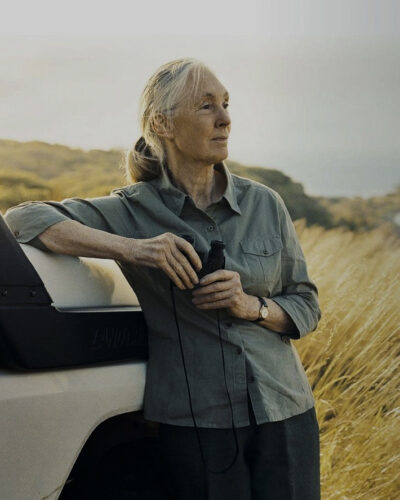
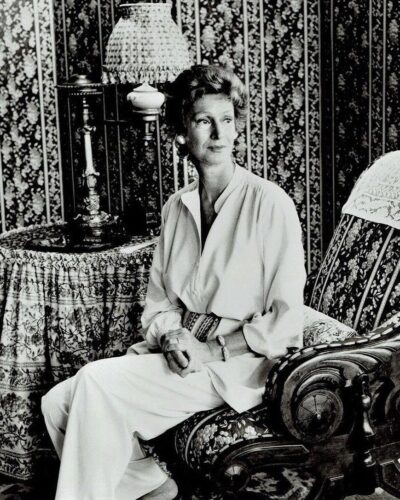
Fossey belongs in Echoes of Kindness precisely because she complicates the idea of kindness itself. If Jane Goodall reveals care through patience and hope, Fossey exposes another form of devotion; protective, confrontational, unwilling to compromise when harm becomes visible. Though the two women respected one another, their paths diverged. Goodall continued to place faith in education and dialogue; Fossey, shaped by the violence she witnessed, grew increasingly distrustful of institutions and compromise. Their differences were not contradictions so much as reflections of circumstance. Two answers to the same question of what it means to stand beside what is vulnerable.
Where Jane Goodall teaches us patience, Fossey teaches us confrontation. Where Goodall models hope as a discipline, Fossey embodies protection as commitment. Together, they reveal that kindness is not a single posture, but a spectrum of responses shaped by circumstance.
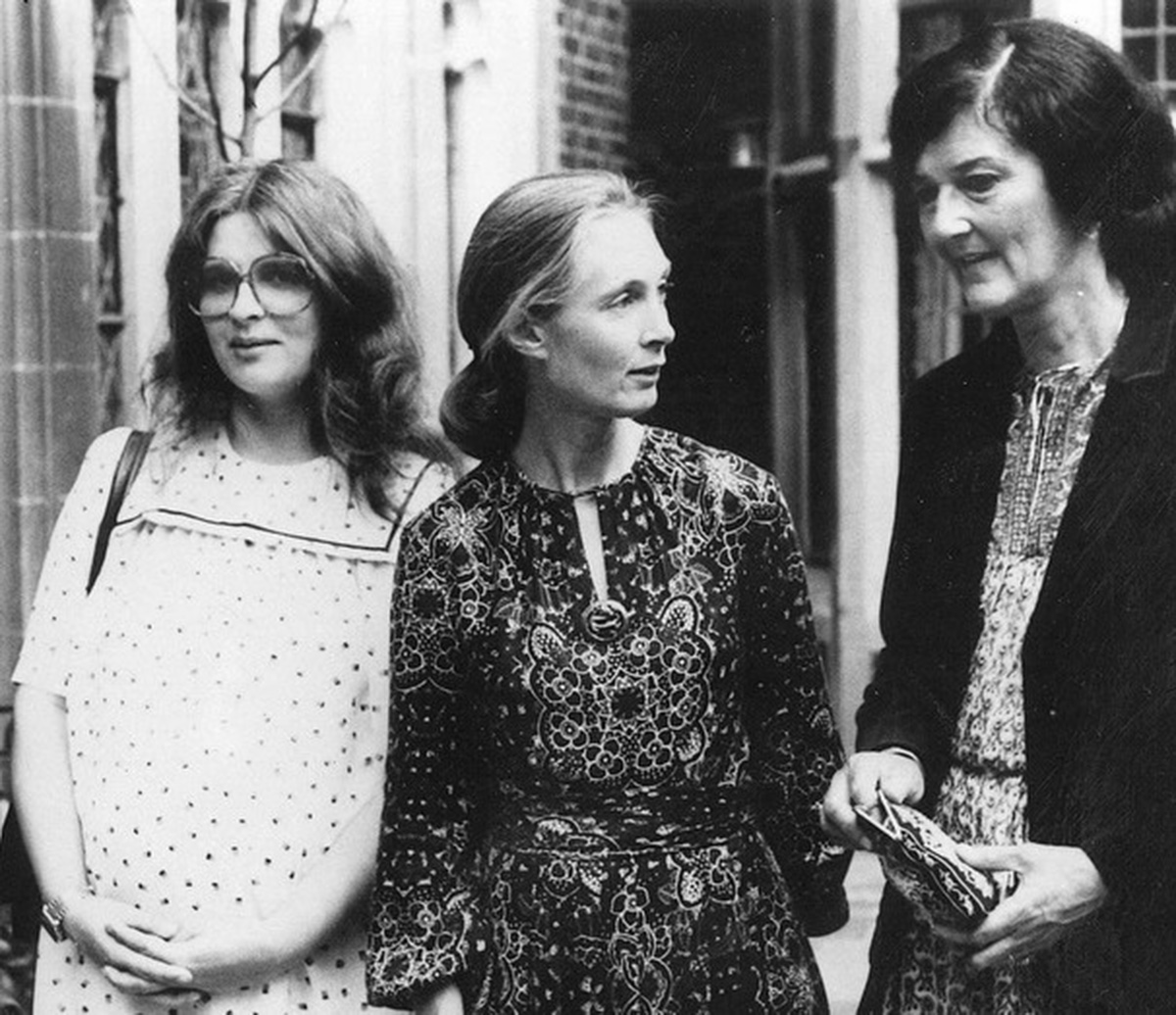
Different temperaments. Shared devotion. Dian Fossey with Jane Goodall, and Birutė Galdikas.
Fossey’s life ended violently in December 1985.
She was found murdered in her cabin at Karisoke, her skull split by a machete — the same weapon commonly used by poachers. The circumstances remain unresolved. Theories have implicated poachers seeking revenge, local officials angered by her interference, or former staff members she had alienated.
What is certain is that she died in the place she had chosen to defend.
It would be tempting to turn her story into myth, martyrdom, or cautionary tale. But to do so would flatten its meaning.
What her life asks of us is more difficult.
It asks where we stand when empathy becomes inconvenient.
It asks whether we are willing to be misunderstood in order to remain loyal to what cannot defend itself.
It asks whether kindness, stripped of approval and safety, still feels worth practicing.
Dian Fossey did not offer comfort. She offered protection. And she paid for it with isolation, reputation, and ultimately, her life.
The gorillas she helped protect are still there. Her cabin in the Virungas, too — weathered, empty, visited now by tourists and researchers who continue to benefit from the ground she held.
The question her work poses is not whether we admire her choice, but whether we would make it.
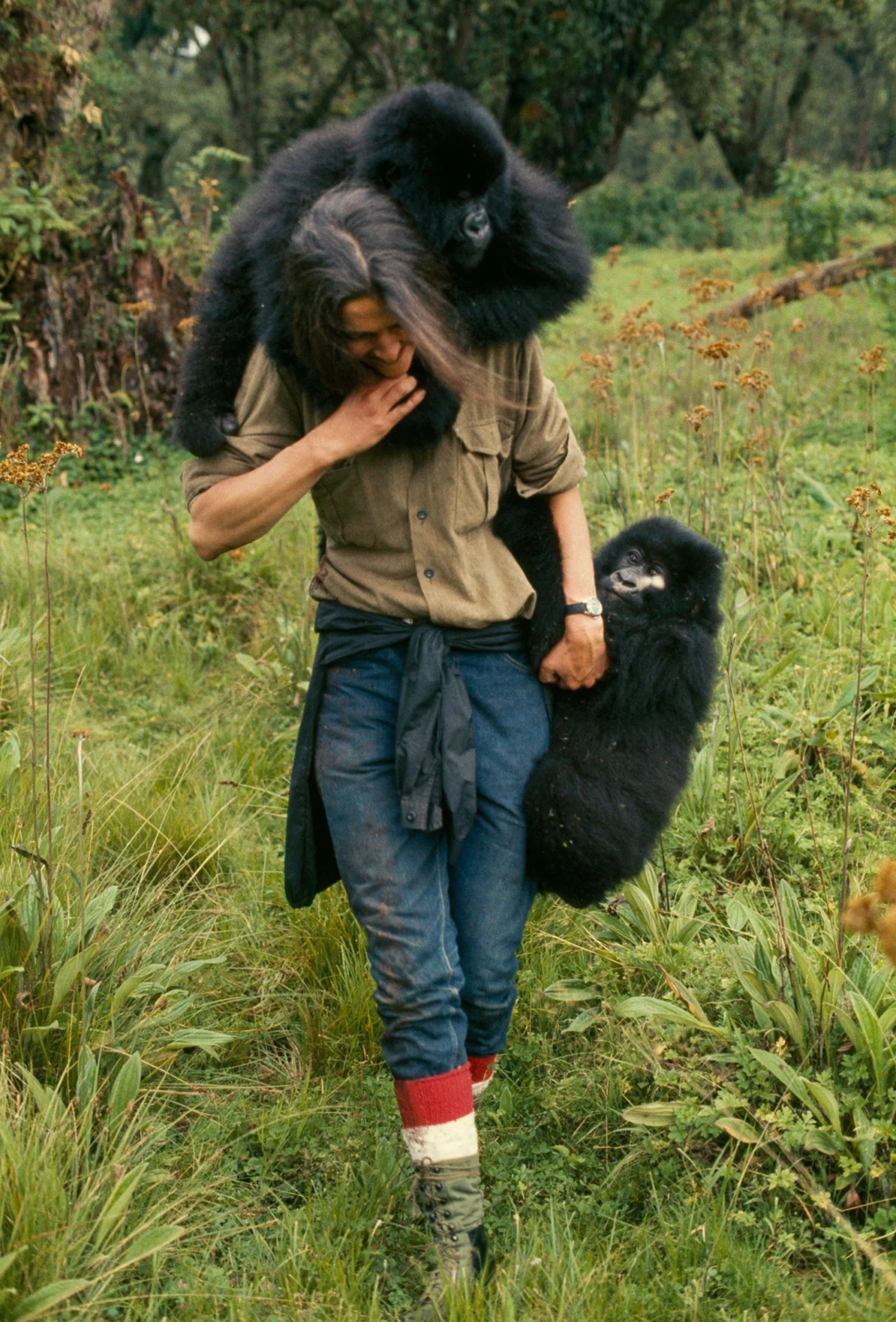
Dian Fossey photographed by Robert I.M. Campbell