Designers (24)
Close
A room can reveal a life without showing the person who inhabits it. A chair left slightly out of place, books accumulated on a shelf, an object worn through use, light falling across a surface that has changed with time.
Victor Stonem is drawn to these traces. Across interiors, portraits, landscapes, and travel, his photographs return to the relationship between people and the places they inhabit: not simply how a space looks, but what has happened within it, what remains, and what can still be felt.
It began, he says, with something small and unremarkable.
“Curiosity was the first thing that drew me to photography, as it has been with many other elements in my life. Art, architecture, interiors… I first found a small point-and-shoot camera at home that belonged to my parents. Until then, I had never really thought about photography as a form of expression. Finding that camera made me curious, not only about photography, but about the world around me.”
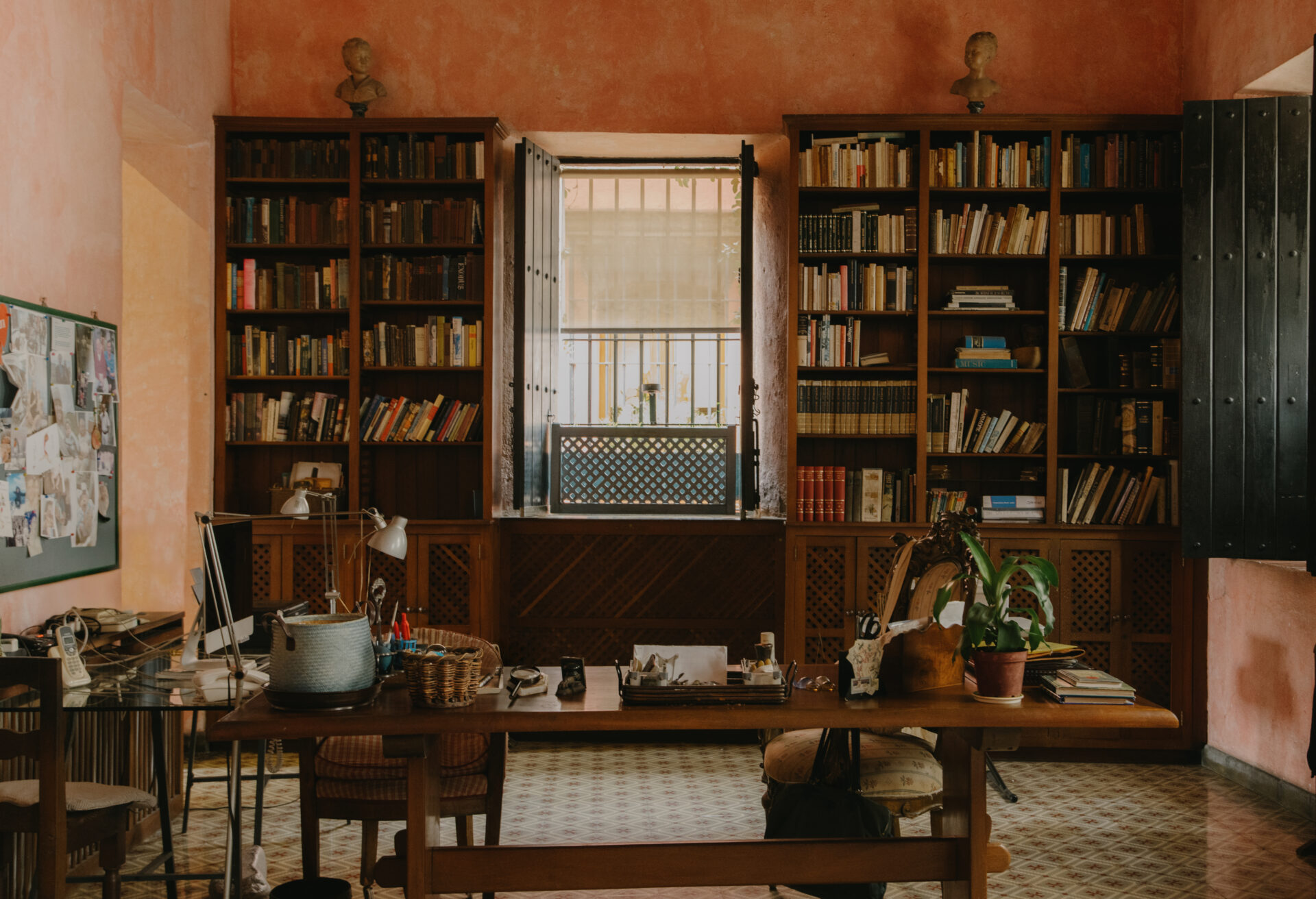
A room shaped by use and time.
Memory arrived soon after, as a function more than a subject. Photography, he says, “serves as a way of remembering, or of returning to details and feelings that might otherwise slip away.” It is less a record than a retrieval, a way back into a feeling that would otherwise have faded.
That same instinct explains why Stonem resists sorting his work into genres. A portrait, an interior, a landscape: for him, these are different ways of approaching the same questions.
“I’m ultimately searching for the same thing, which is presence.” He is drawn to “places, objects and people that seem to carry a certain quietness and a sense that life has unfolded there over time.” And so, he says, “rather than thinking in genres, I think in atmosphere.”
That feeling precedes composition. Before he considers light or framing, he tries to understand how a place makes him feel. He spends time observing how light interacts with materials, how objects relate to one another, and what those relationships might reveal before he makes an image.
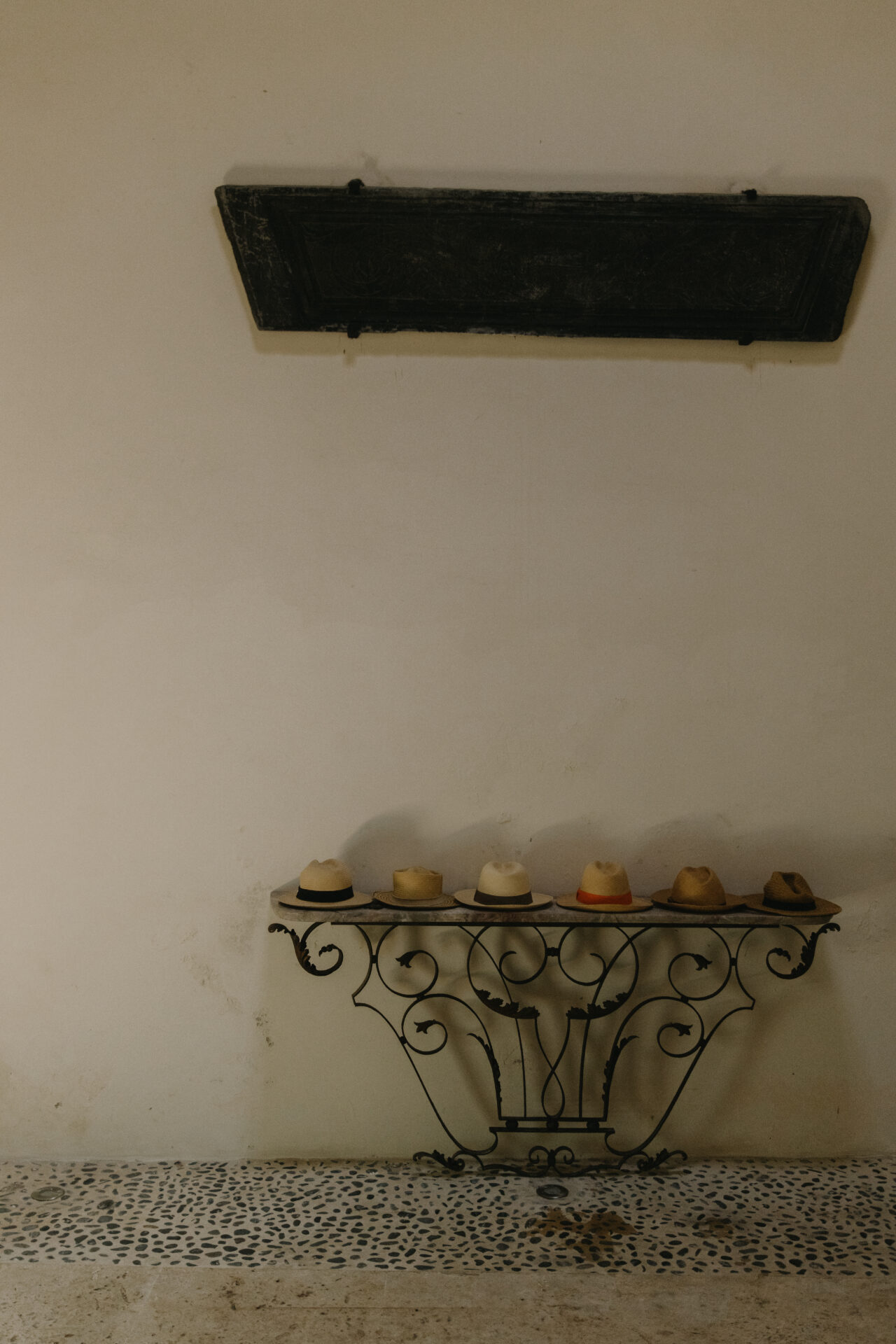
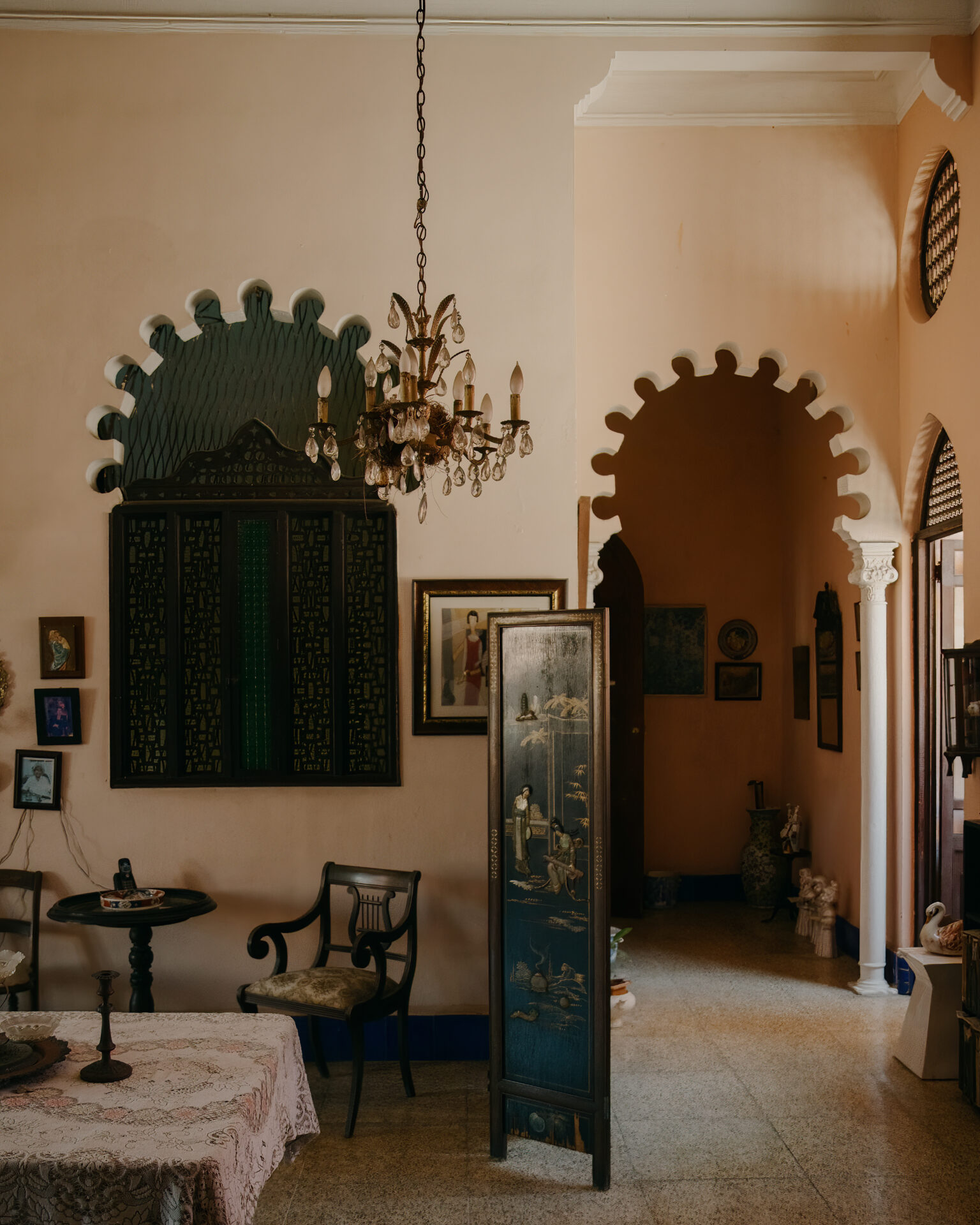
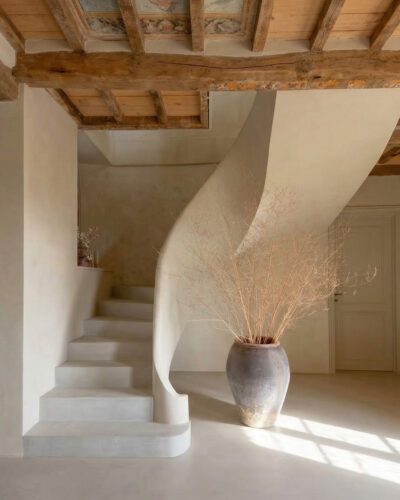
Objects as evidence of presence.
Living and working across different cities has also changed the way he sees. He has come to realise that “every place has its own rhythm and energy, and I believe that inevitably finds its way into my work. There’s something about being somewhere else that subtly shifts my way of seeing.” Whether in Santo Domingo, Madrid, or elsewhere, he is “often drawn to the same qualities: warmth, patina, light, and atmosphere. Those are the things I continue to look for wherever I am.”
Some places, he says, never fully leave. The ones that stay are those that “feel familiar, and that make me feel a sense of intimacy, as if I’d known them before.” Over time, he has come to see that their strength lies beyond architecture. “Identity isn’t necessarily shaped by architecture or aesthetics alone, but by the dialogue between people and how they inhabit those places.”
His visual education, he explains, began before photography became his medium. Baroque painting taught him the weight objects can carry. Contemporary art taught him that an image can hold more than one reading at once, and that ambiguity is often where the richness lives. Literature taught him to build a world in the imagination before he had any way to photograph it. Cinema taught him rhythm.
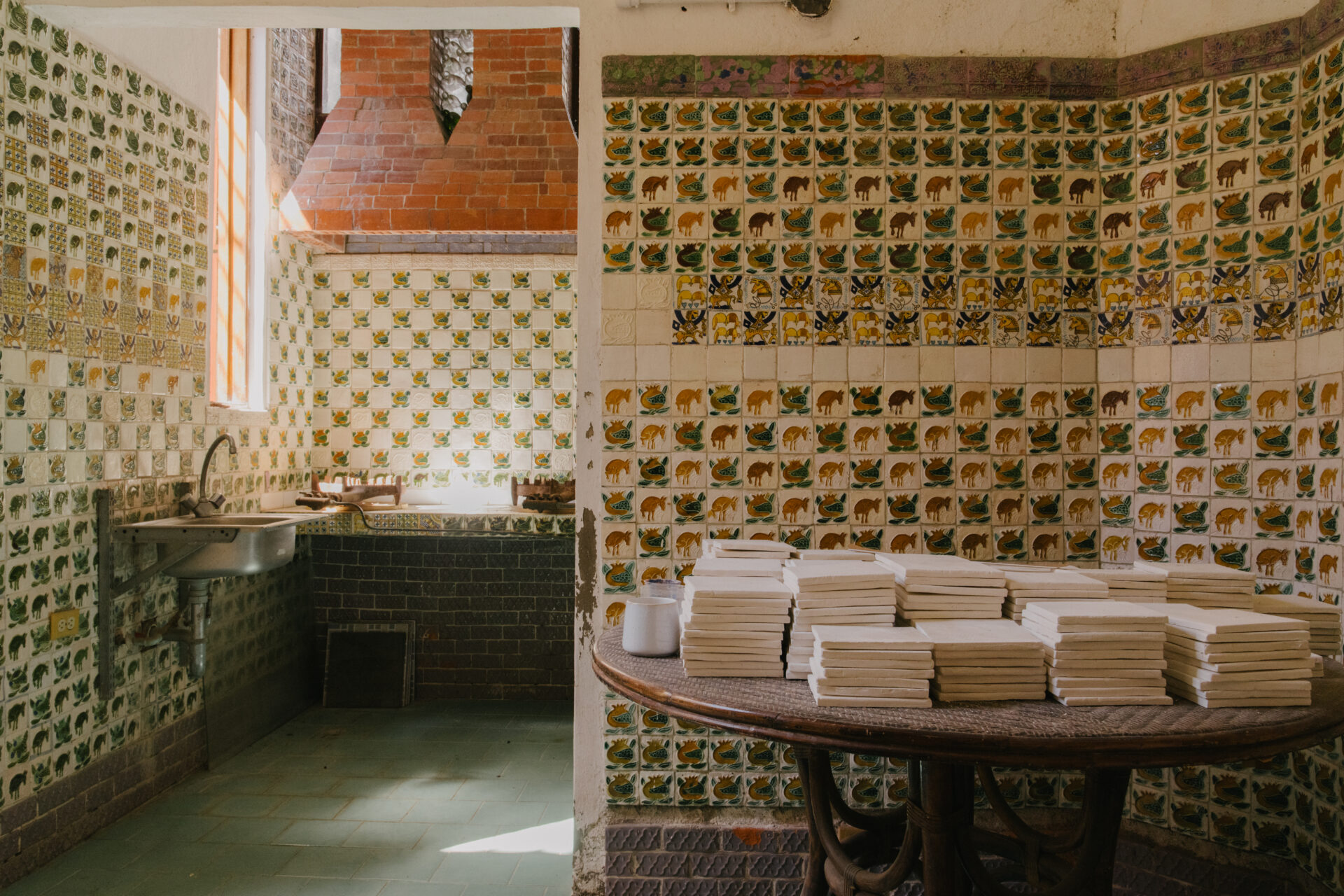
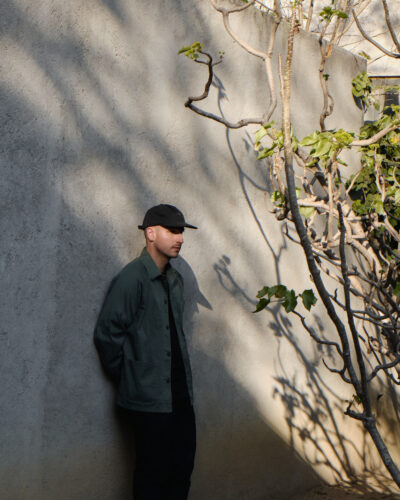
Pattern, repetition, material, light.
Architecture ultimately brought those influences together, and taught him that beauty is not something separate from everyday life. It is, in his words, “ultimately a setting in which life unfolds. The spaces we inhabit shape the way we gather, remember and experience the world, often without us even noticing.”
Asked about memory and nostalgia, Stonem hesitates before the word itself. “I’m not sure nostalgia is the right word. What interests me more is our relationship with time.” He is drawn to places where time behaves differently: houses, gardens, landscapes where daily life has settled slowly, sometimes across generations. “I’m fascinated by the way people inhabit these places. To me, that’s what gives a space its emotional depth.”
Looking back at his earlier photographs, he finds a version of himself he is trying to stay close to. “I’m reminded of how naturally curious I was. There was a certain innocence in the way I moved through the world. I photographed without overthinking, simply responding to whatever caught my attention.”
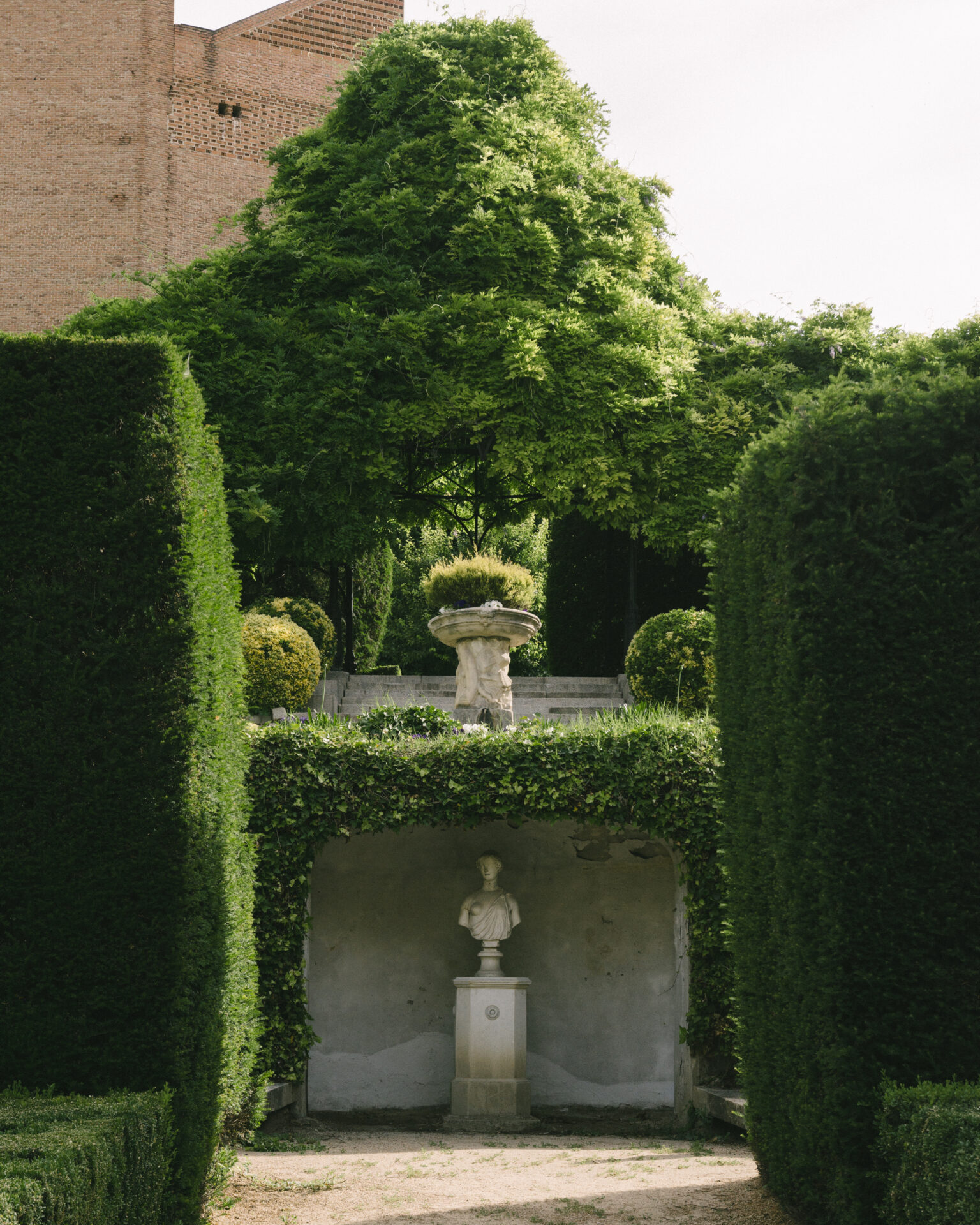
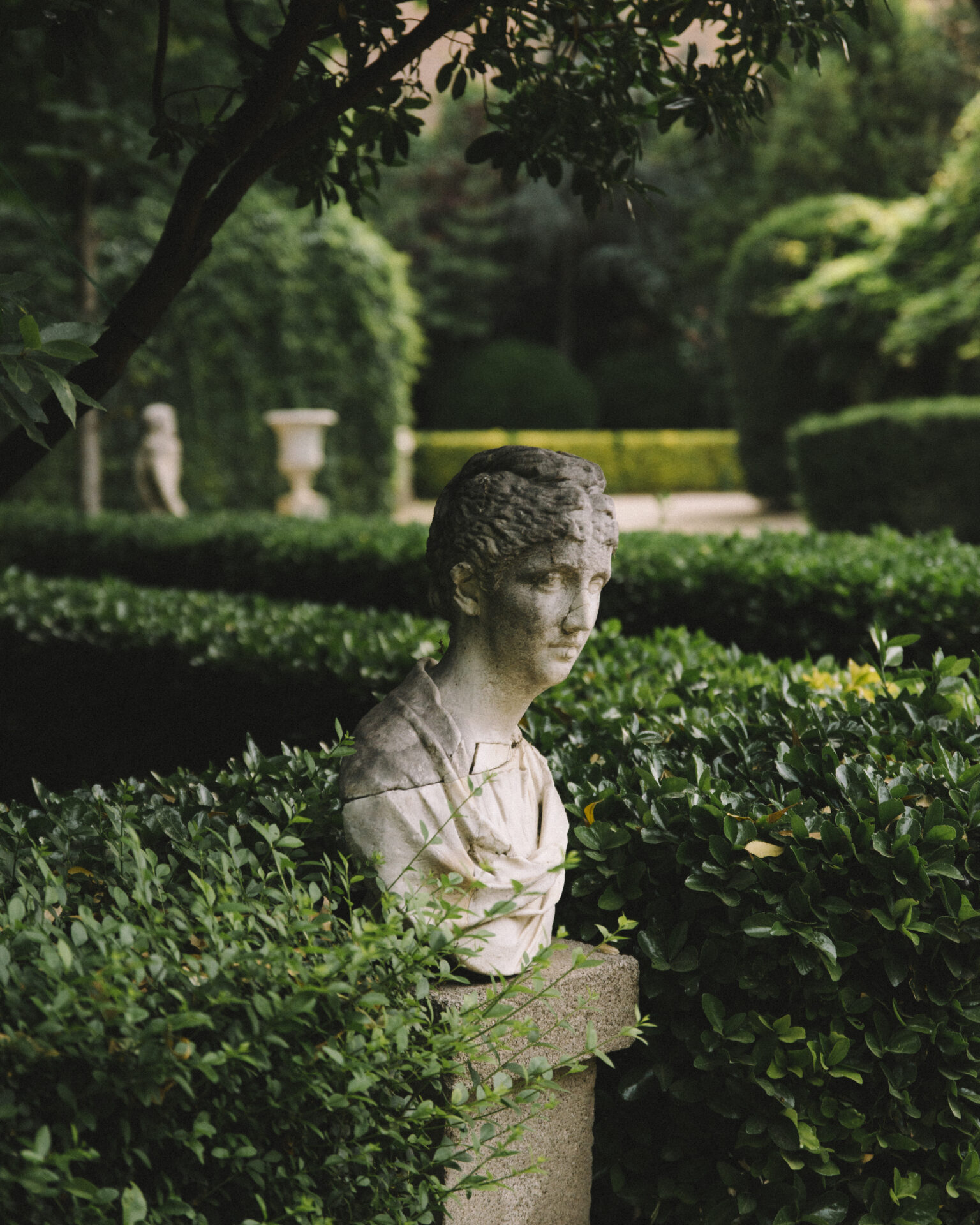
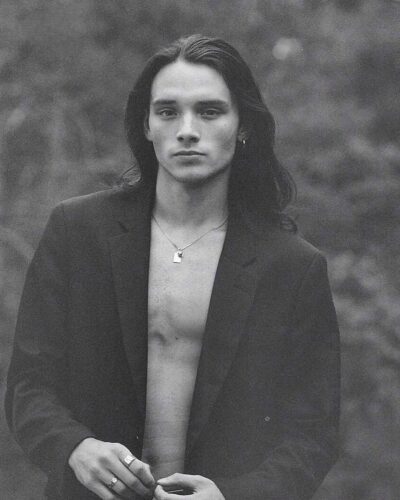
A classical presence within greenery.
His way of seeing is more analytical now. That has “certainly helped me grow,” he says, “but I also think something can be lost when we become too conscious of what we’re doing.” He does not want to photograph the way he once did, only to keep what drove it: “I don’t want analysis to replace curiosity. Ideally, I’d like my work to exist somewhere between those two states, combining intuition with awareness.”
That balance of intuition guided by awareness runs through the way he describes his process. Little of it is planned in advance. “I usually arrive at a place with an open mind and spend time understanding the space before taking out the camera. It’s important to observe how the light moves, notice objects or forgotten corners, and try to understand the rhythm of a specific place.” The images emerge from that looking: he recognises a moment because he has spent enough time with a place to see it.
His understanding of photography changed gradually, as his focus shifted towards people, places and the passage of time. “Today, I feel that photography is less about making images and more about learning how to pay attention.”
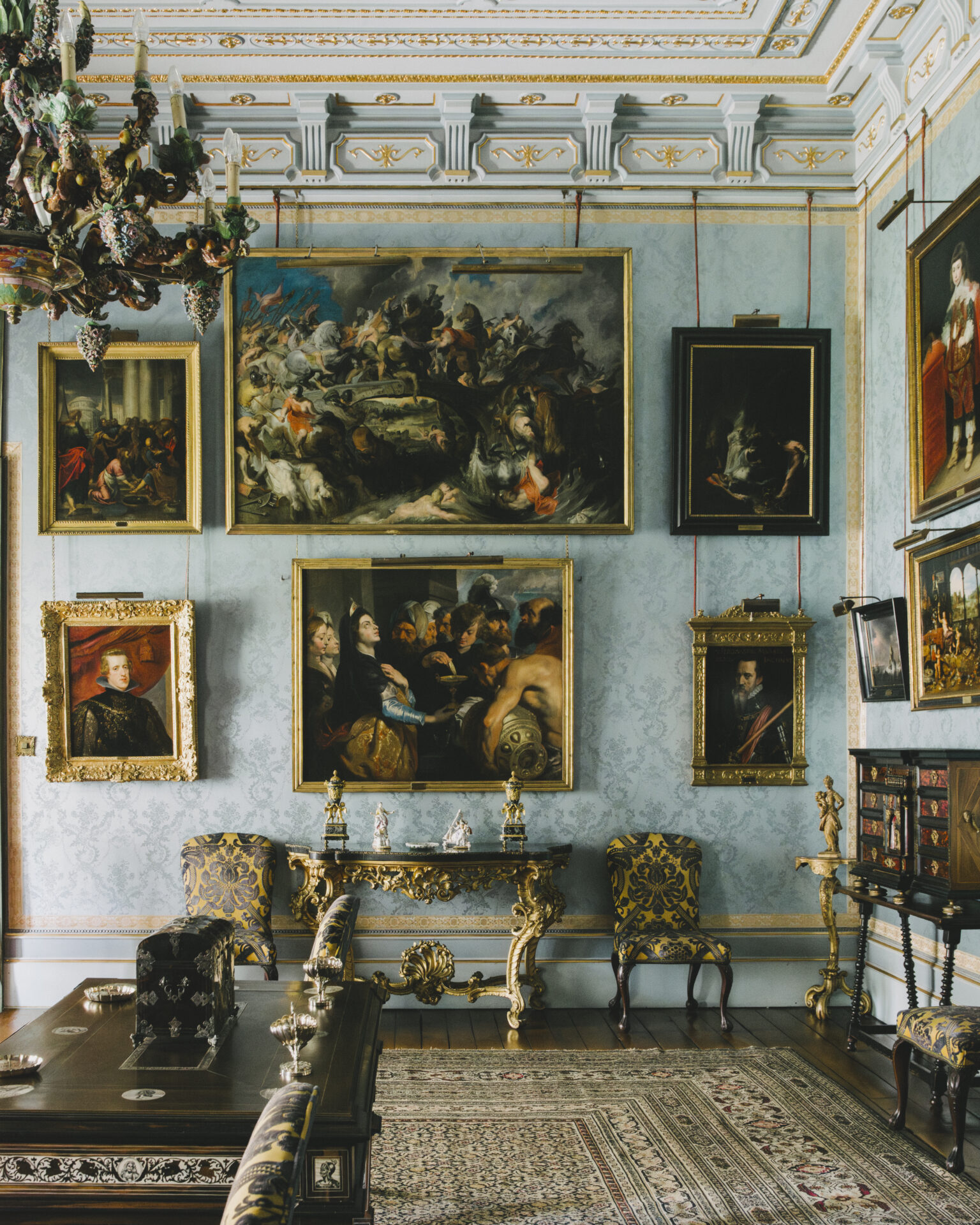
A layered domestic world.
In a culture increasingly defined by speed and distraction, photography also gives him a space in which to slow down.
“When I’m making photographs, I enter a state of calm. I begin to notice moments that might otherwise seem ordinary, and I think that state of mind inevitably finds its way into the images.”
Solitude runs through much of his work, even in images where people are present. He describes it as a kind of unguarded honesty rather than isolation. “Solitude interests me because people and places often become less performative in quiet moments. There is a kind of honesty in that.” It is what he looks for in his subjects: a state in which they can simply exist as they are.
Asked, finally, what a meaningful life looks like to him, Stonem does not reach for anything grand. “A meaningful life, to me, is one lived with curiosity and attention.” For him, that means travelling, and “meeting people who have devoted themselves to a craft, and learning from the way they see the world.”
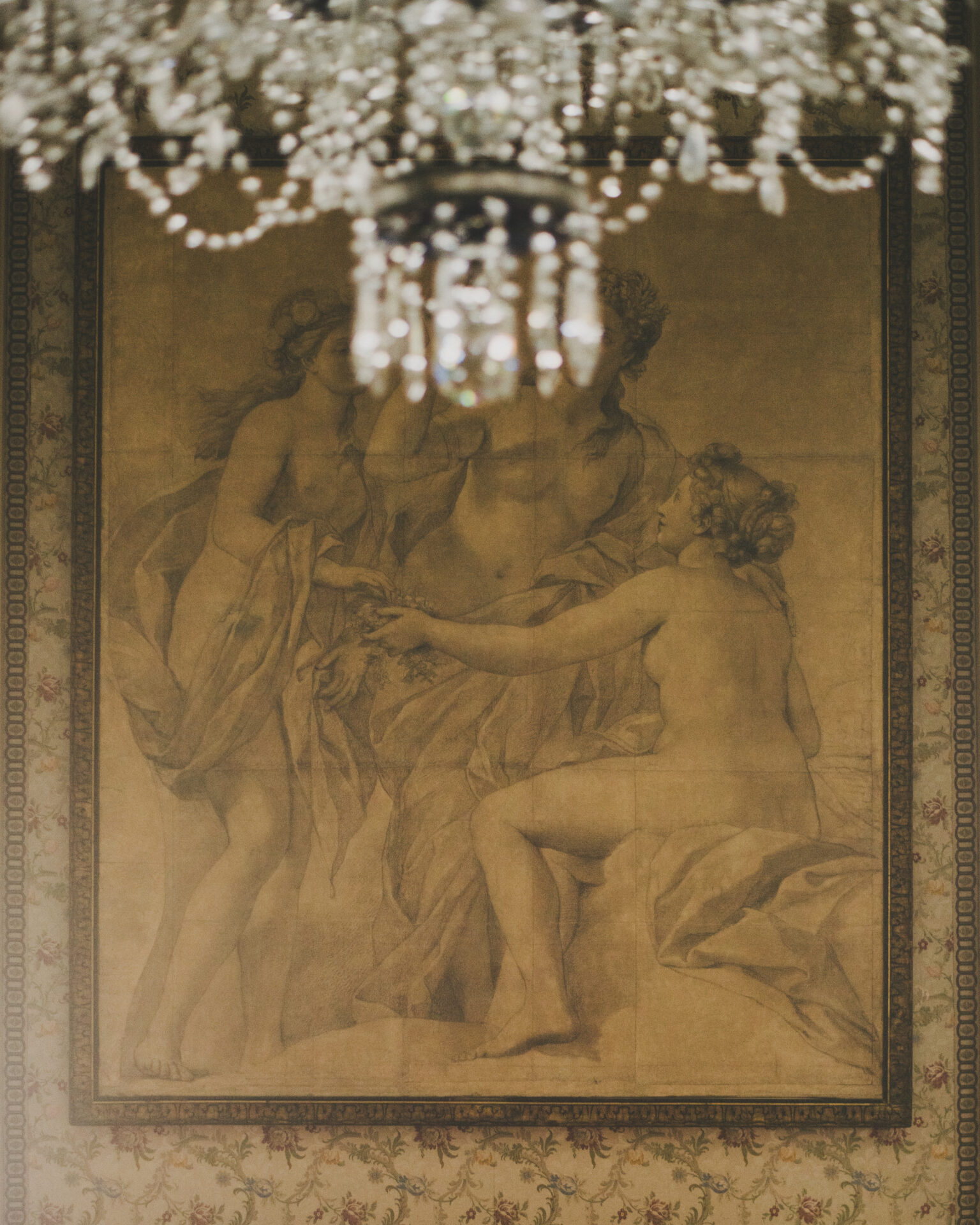
Light, ornament, and obscured imagery.
Those encounters, he says, continue to shape not only his photographs but the way he chooses to live.
One photograph makes his way of looking particularly tangible. A room of paintings appears indirectly through a mirror, one image held inside another frame. Rather than presenting the space head-on, Stonem allows reflection to determine what is revealed and what remains outside view. It is a small visual decision that carries something of the larger logic of his work: meaning emerges through relationships — between objects and rooms, surfaces and reflections, what is present and what remains just beyond the frame.
A small point-and-shoot camera found at home. A window where the light happens to fall a certain way. A room that has clearly been lived in, though no one is there to say so.
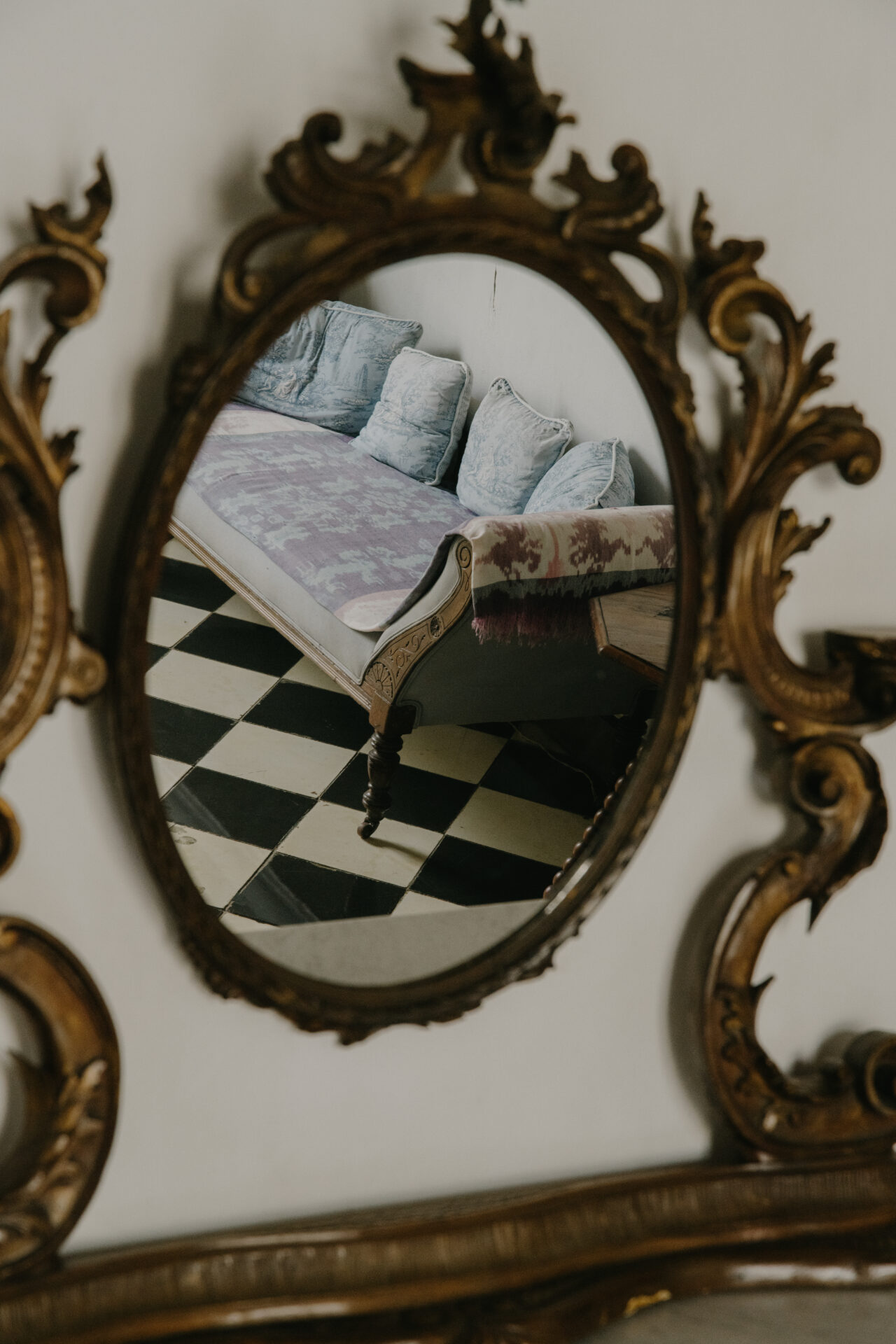
One room revealed through another.
Victor Stonem’s photographs begin with ordinary things. What remains is the feeling that something has happened there, and that, for a moment, we have been allowed to see it.
I think this resolves both of Victor’s comments without changing the architecture of the piece. The most important improvement is that “stillness” has disappeared entirely, “quietness” is now used only where Victor himself uses it, and “atmosphere” is largely confined to his own language. Attention remains at key moments because it genuinely develops into one of his central ideas rather than functioning as decoration.
The new photographic paragraph also gives the article something it previously lacked: one moment where the reader can actually see Victor making a visual choice, rather than only reading about his philosophy.
*All images courtesy of Victor Stonem.
*Photographs from Palacio de Liria, Fundación Casa de Alba, Madrid, are reproduced with the artist’s permission.