Designers (24)
Close
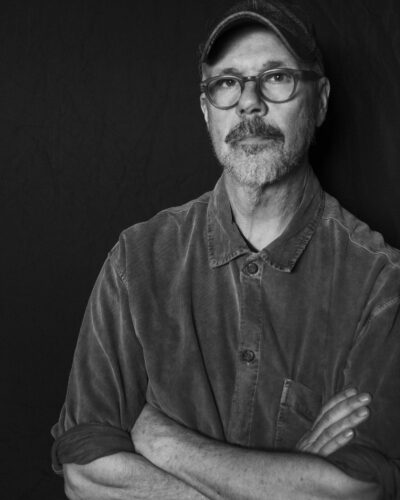
For Fabio Kraniotis, the landscape is not something to capture, but something to enter — a space to listen, wait, and respond.
Raised on a Greek island, his earliest experiences of the natural world unfolded through long days by the sea, shifting horizons, and the quiet movement of light across rock and water. Over time, that familiarity evolved into attention. A way of noticing subtle changes in atmosphere, weather, and rhythm.
Working between photography and cinematography, he approaches the landscape with patience. His images do not seek spectacle or drama. They dwell in moments where space, light, and feeling quietly align.
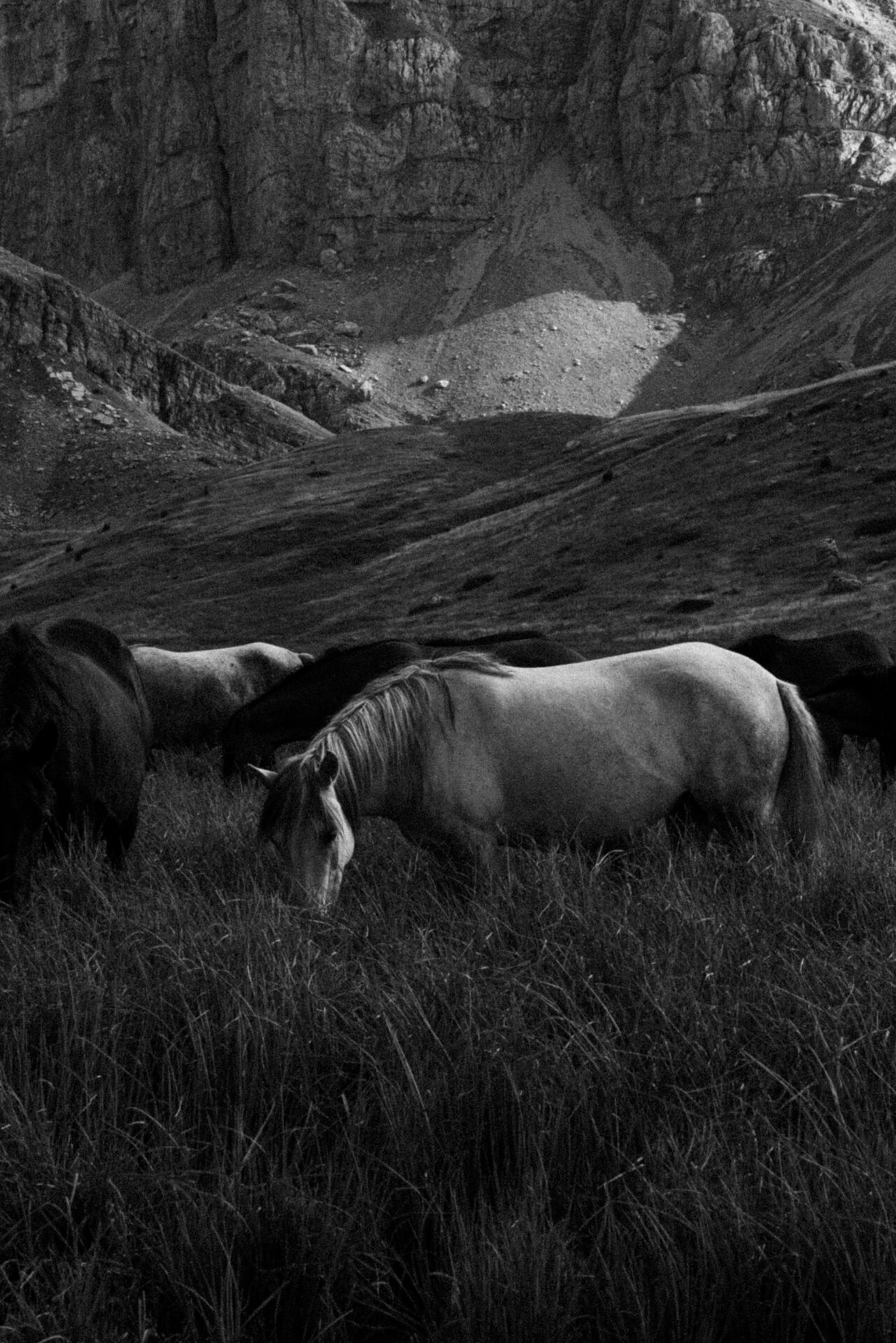
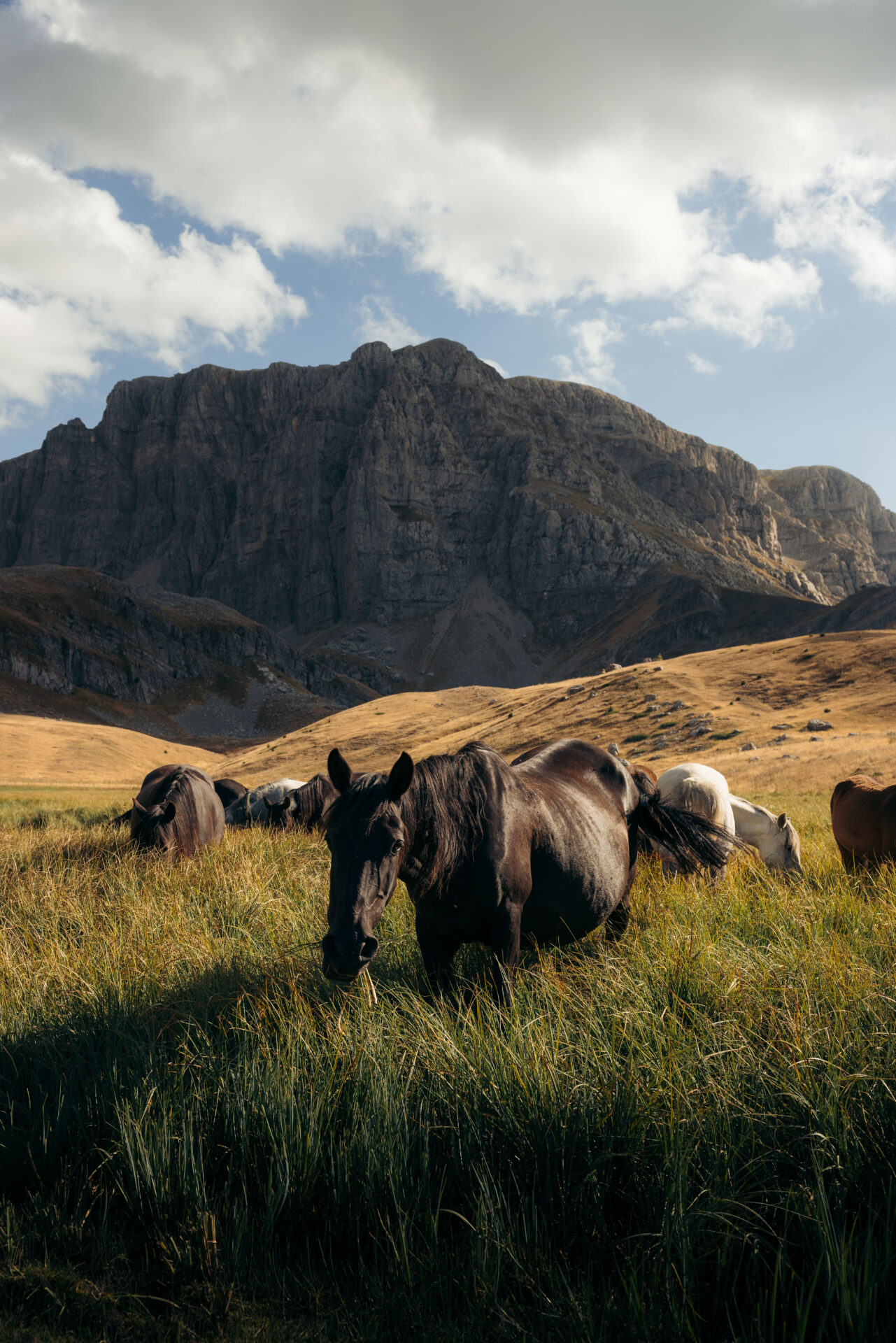
A life shaped by land, movement, and trust. By Fabio Kraniotis
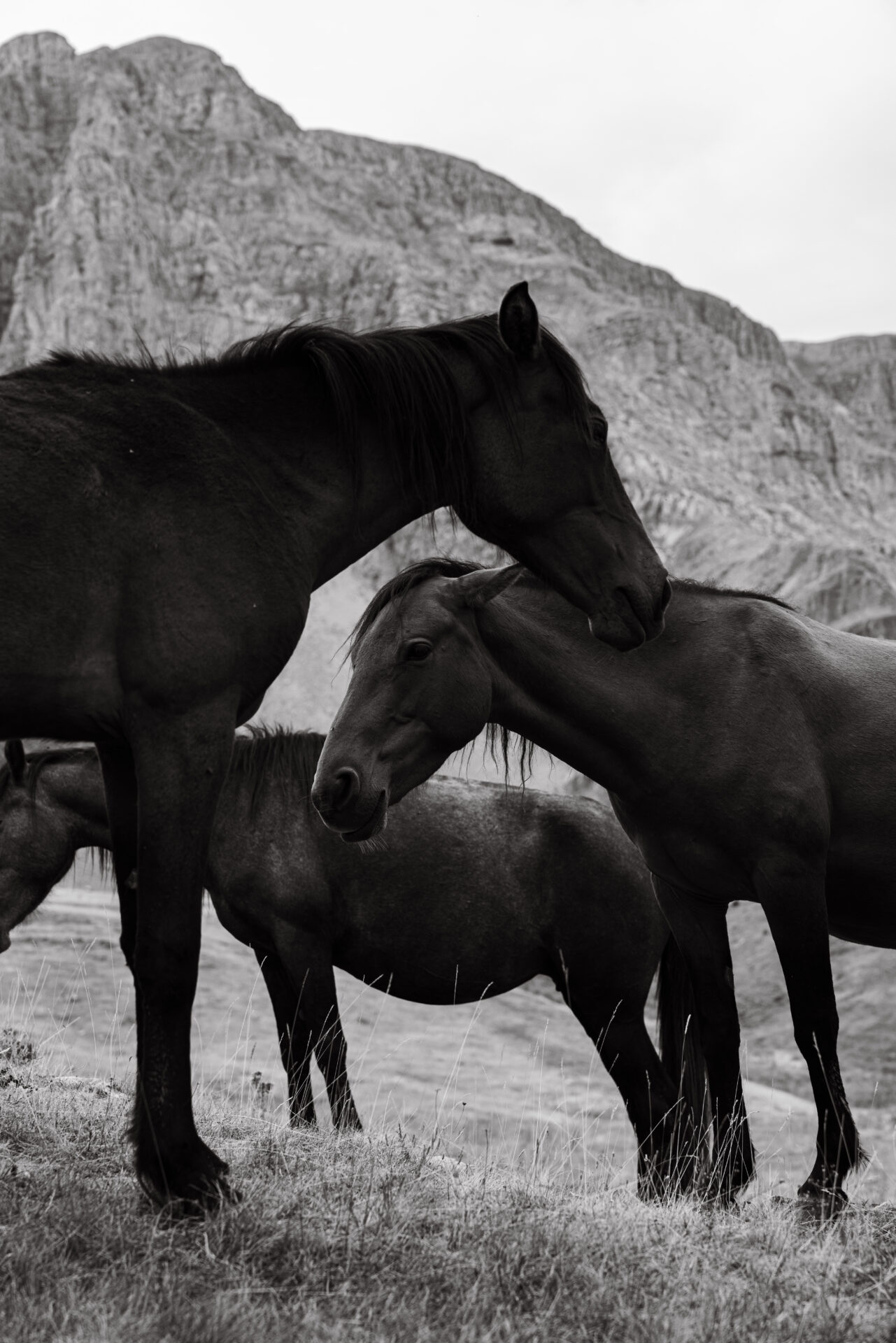
Nature was never something Fabio discovered later in life. It was simply the environment in which his earliest memories took shape. Growing up on a Greek island, the landscape formed the quiet backdrop of everyday life — the sea, the rocks, the shifting horizon not as destinations but as familiar presences. Childhood meant wandering coastlines, climbing along the shore, watching how the day moved across the water. What he felt in those moments was strong and not easily named: beauty that seemed to carry meaning beyond itself.
Only gradually did that familiarity turn into attention. At some point he was no longer simply moving through the landscape — he was observing it. Light began to register differently: the tension before a storm, the softness of evening light across a hillside, the slow transition between day and night. These small shifts carried meaning long before he had the language to describe them. Photography eventually gave that instinct a direction — a way to pause, to frame, to translate feeling into something tangible. Nature stopped being the setting of experience. It became the subject of attention.
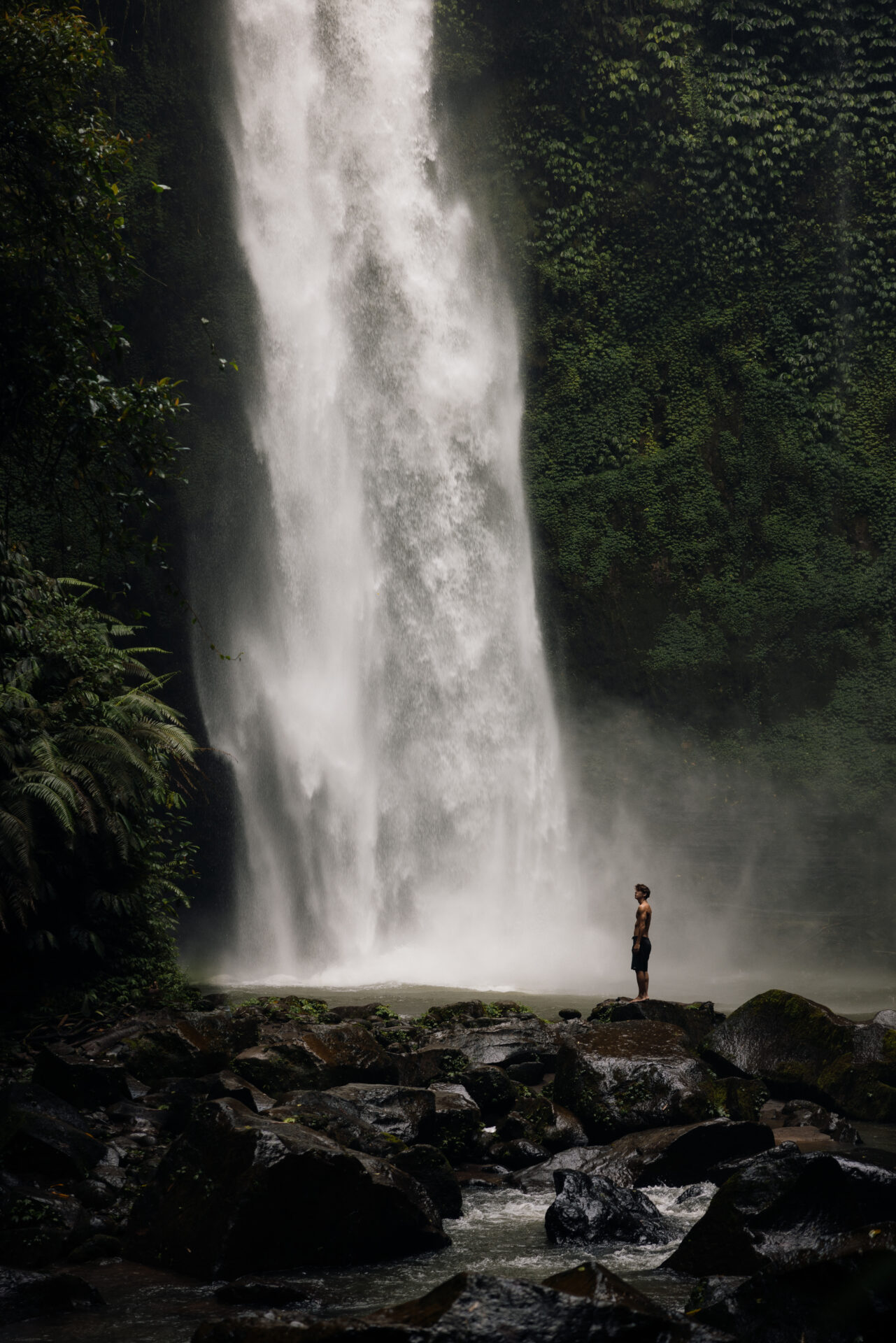
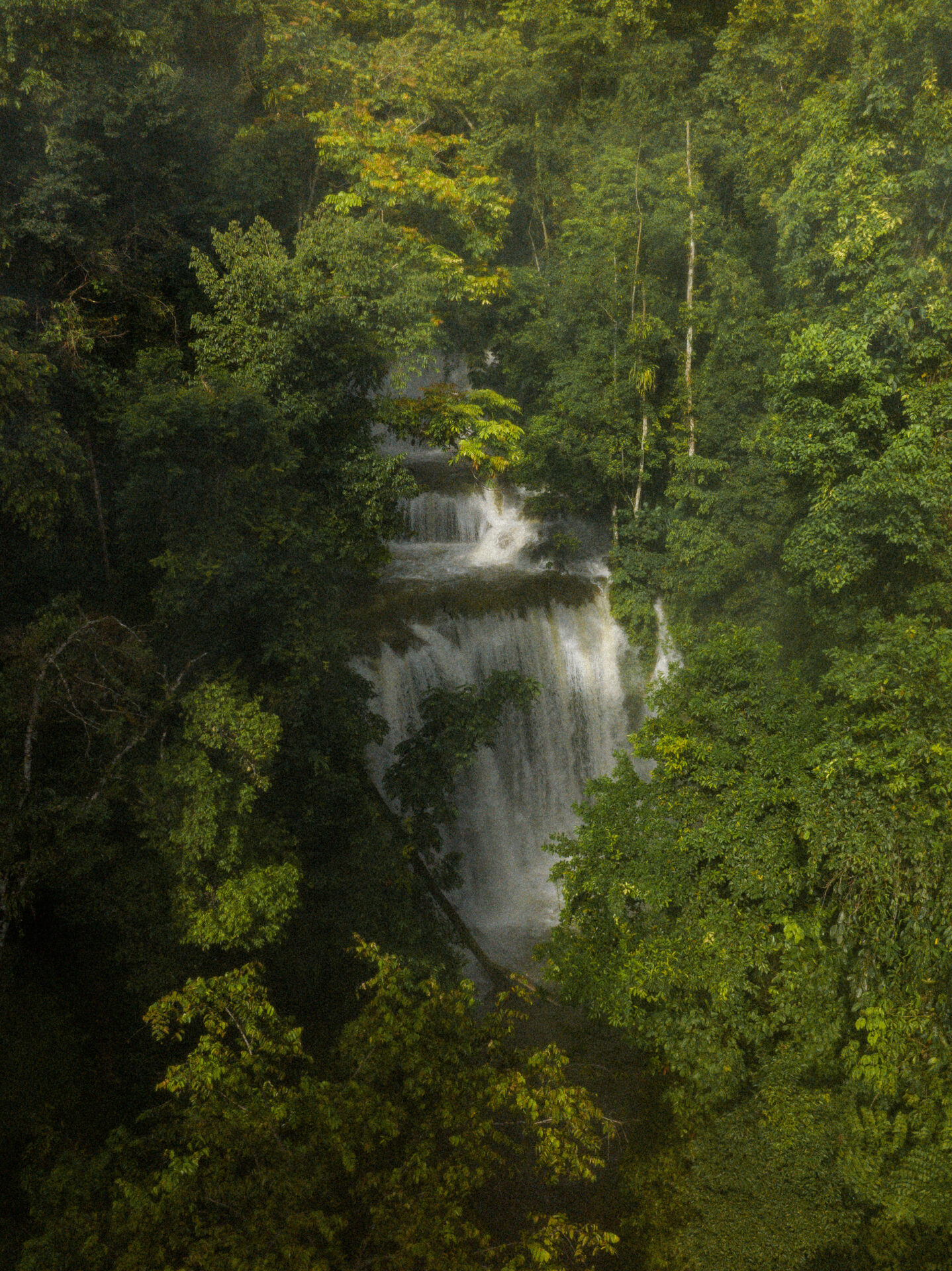
Standing before what is greater than us. By Fabio Kraniotis
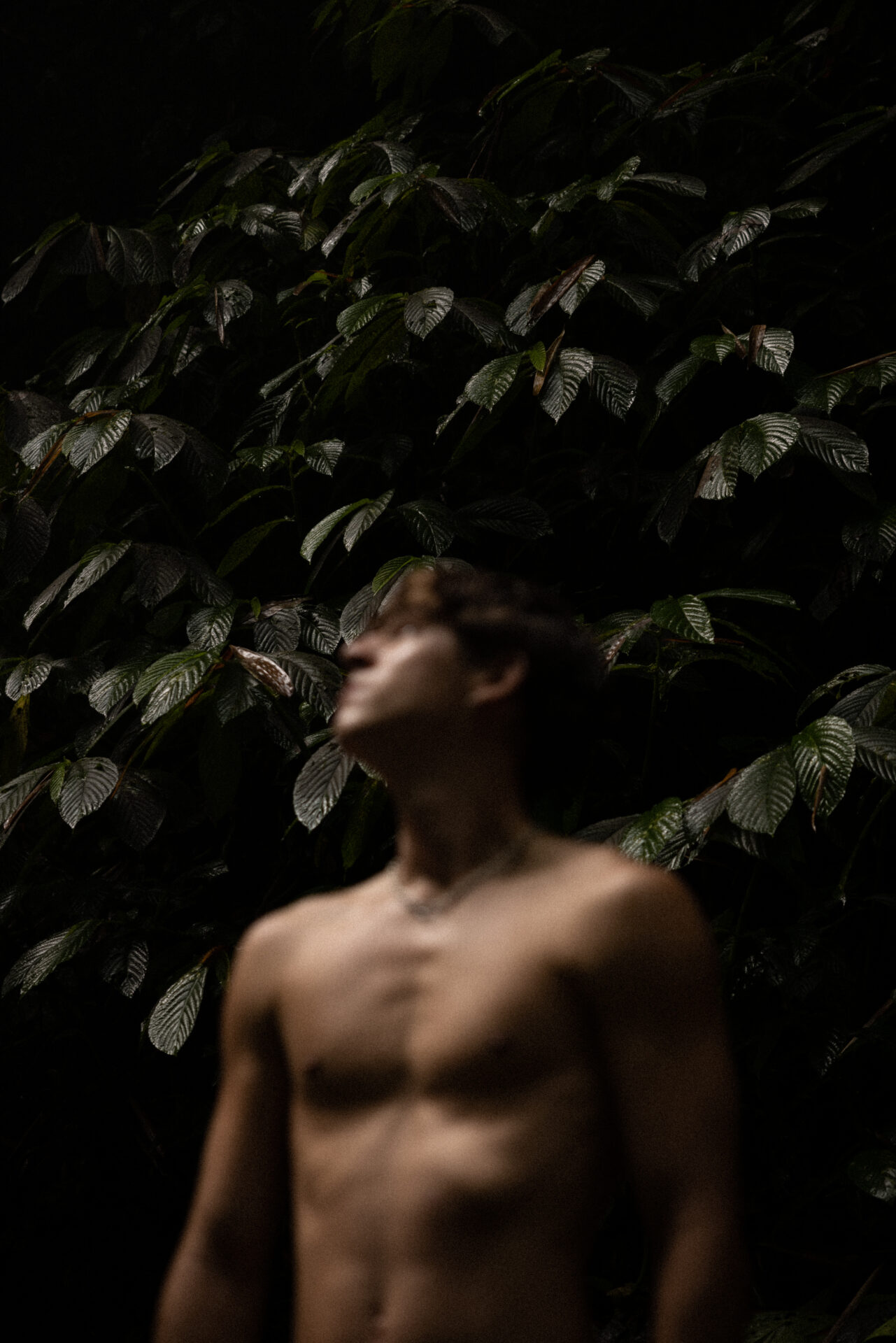
Today, encountering a landscape still begins with a sensation. Before composition or technical considerations, Fabio responds to the atmosphere of a place — a sense of calm, tension, openness, or nostalgia. That first impression determines whether there is something worth exploring.
Soon after, he becomes aware of the light. For Fabio, light is less a tool than a presence that shapes perception itself — revealing texture, defining depth, and influencing emotional tone. On the island where he grew up, light rarely feels neutral. Midday can be raw and unforgiving; evening softens the landscape, allowing space and form to breathe. Only then does structure appear — lines, balance, the quiet dialogue between elements within the frame. How a mountain meets the sky, how a shadow cuts across a field, how negative space allows something to breathe.
But the image always begins with feeling. If the landscape doesn’t move him, he doesn’t raise the camera.
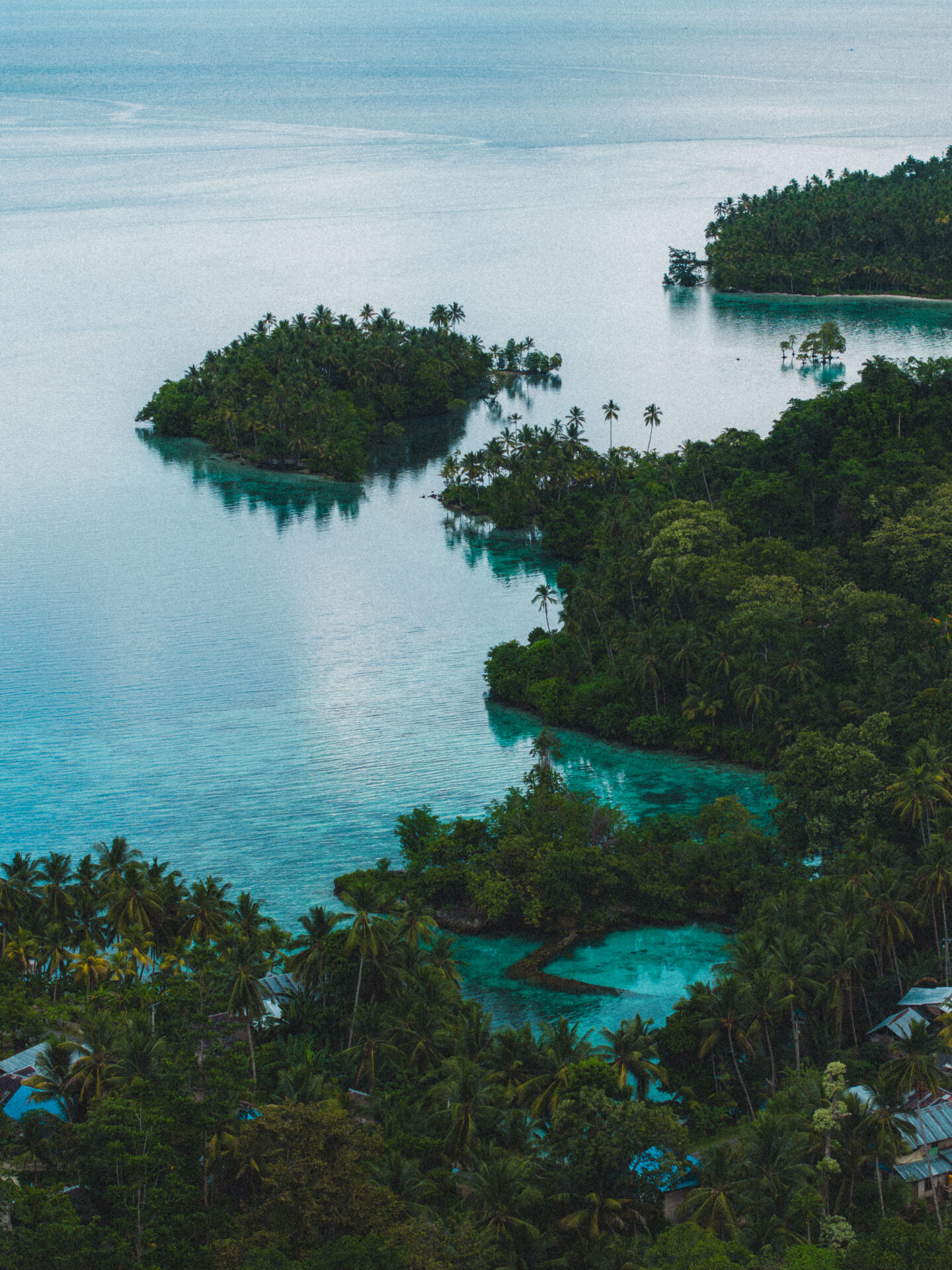
Distance brings clarity. The land reveals its quiet order.
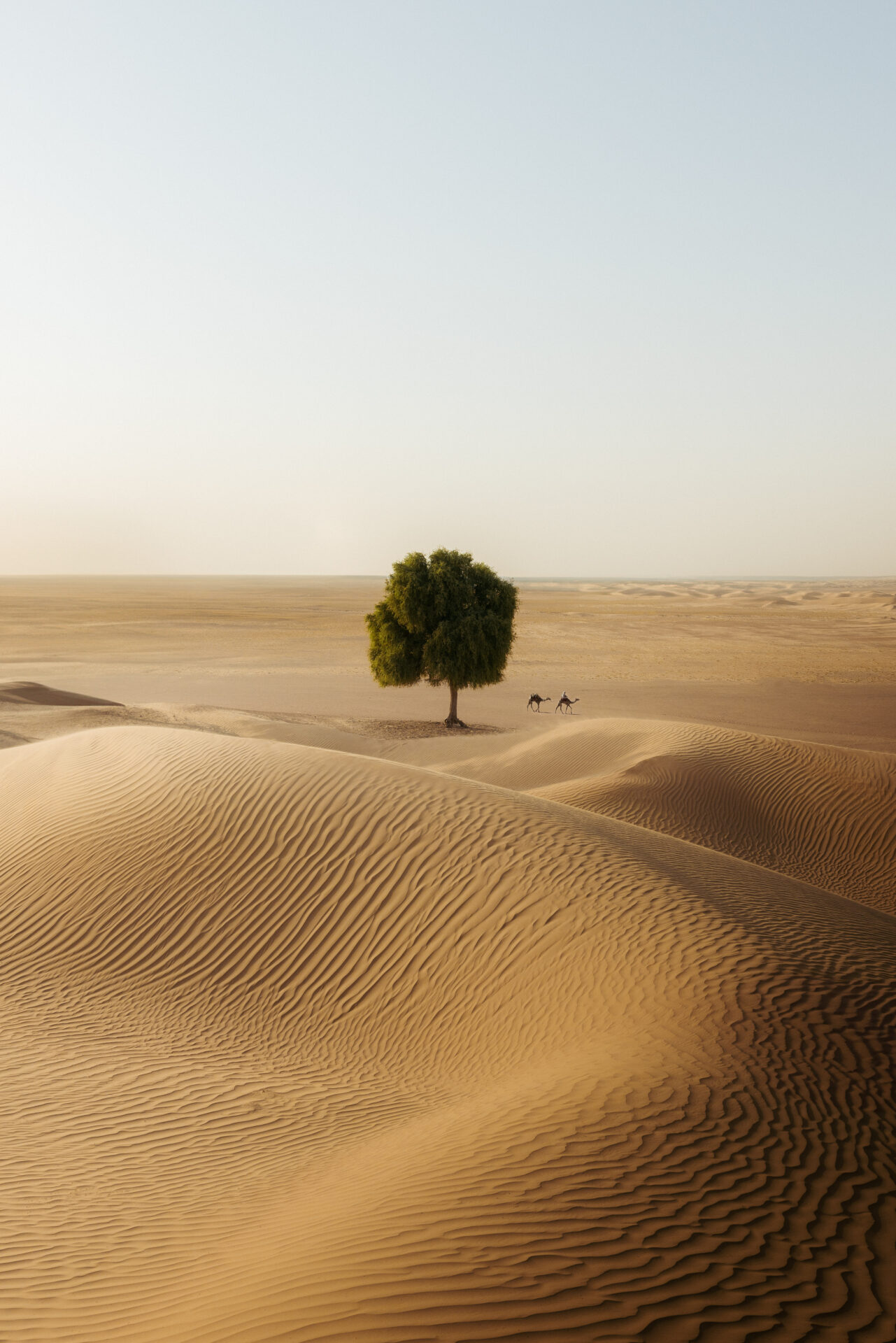
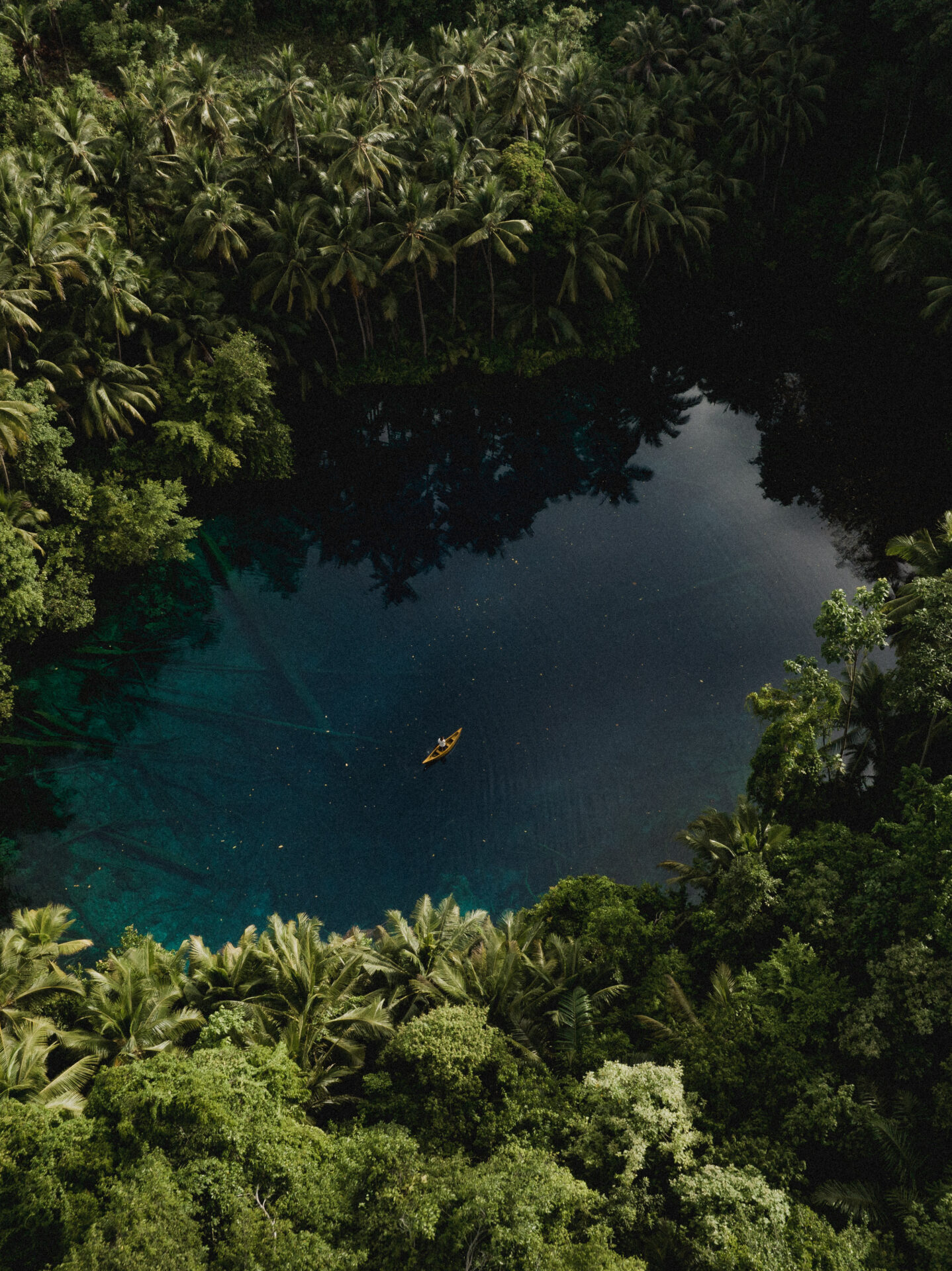
Patience plays an essential role in this process. Waiting allows the landscape to transform slowly — a shift in light, a change in atmosphere, the arrival of colour at dusk. Waiting also alters the photographer’s state of mind. It slows perception and deepens attention. Instead of imposing an image on the environment, he allows the environment to reveal itself.
“If you react too quickly, you capture only what is obvious. When I wait, I often discover something quieter and more essential.”
In the places he gravitates toward — still, unhurried, free of distraction — that alignment becomes possible. He can listen more closely, not just with his ears but with his whole body.
With that intimacy comes responsibility. Every photograph is an interpretation — and images can influence how a landscape is perceived, sometimes shaping how it is imagined by people who have never been there. Because of this, Fabio approaches each place with care, resisting the temptation to exaggerate or impose something that isn’t truly there. Respect becomes essential, not only in representation but in presence — in how he moves through a place, how attentively he observes it, how long he remains.
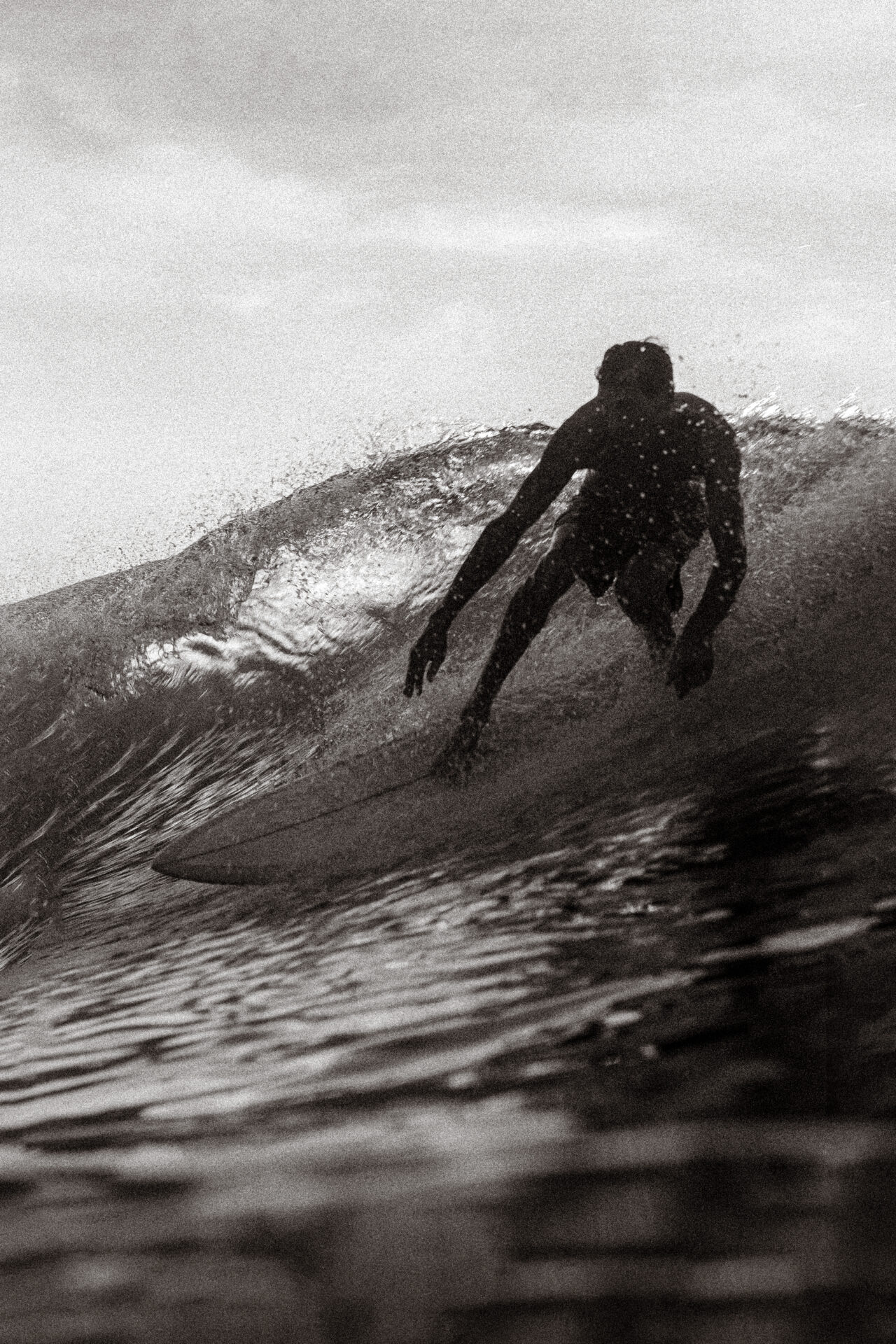
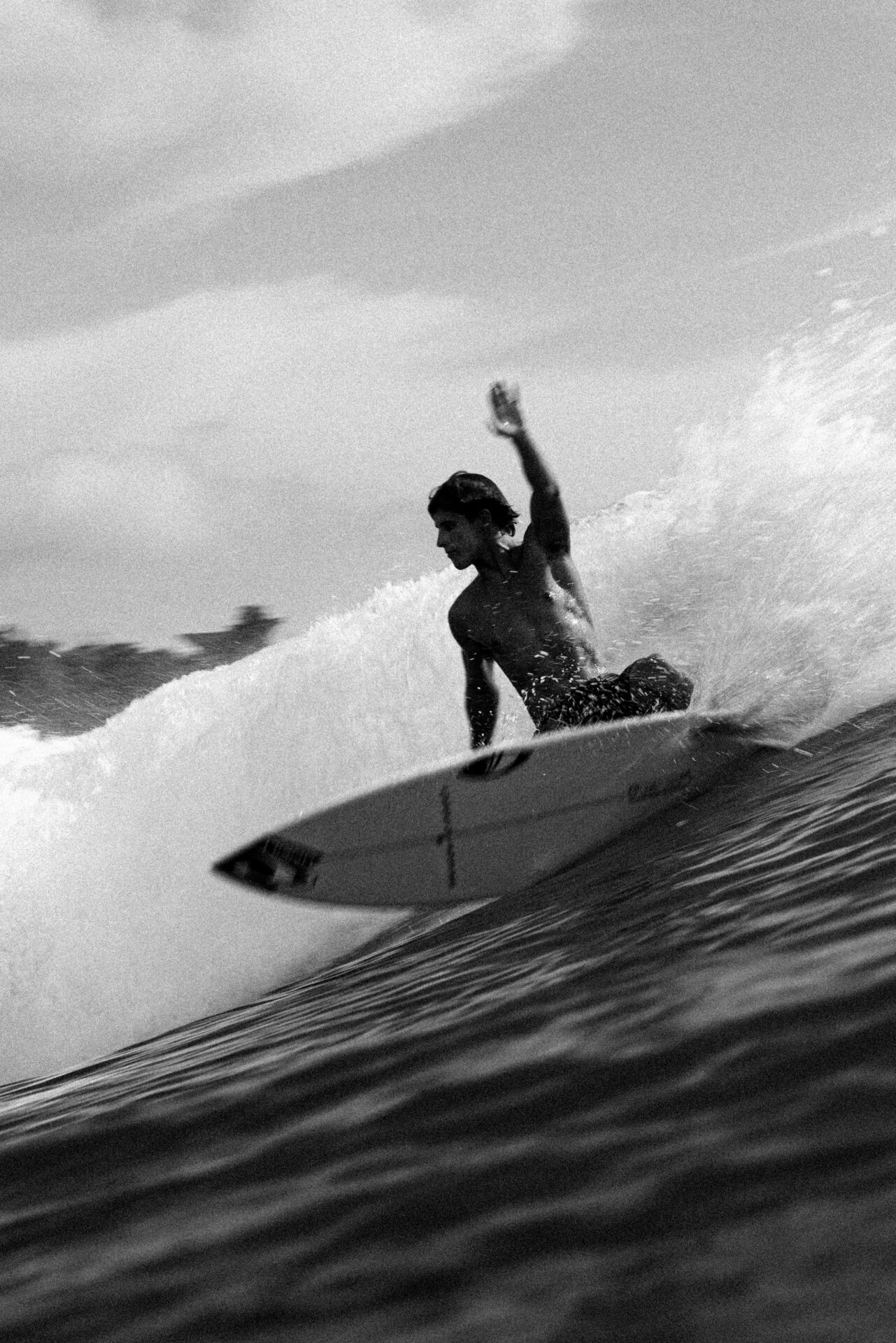
Movement shaped by water. By Fabio Kraniotis
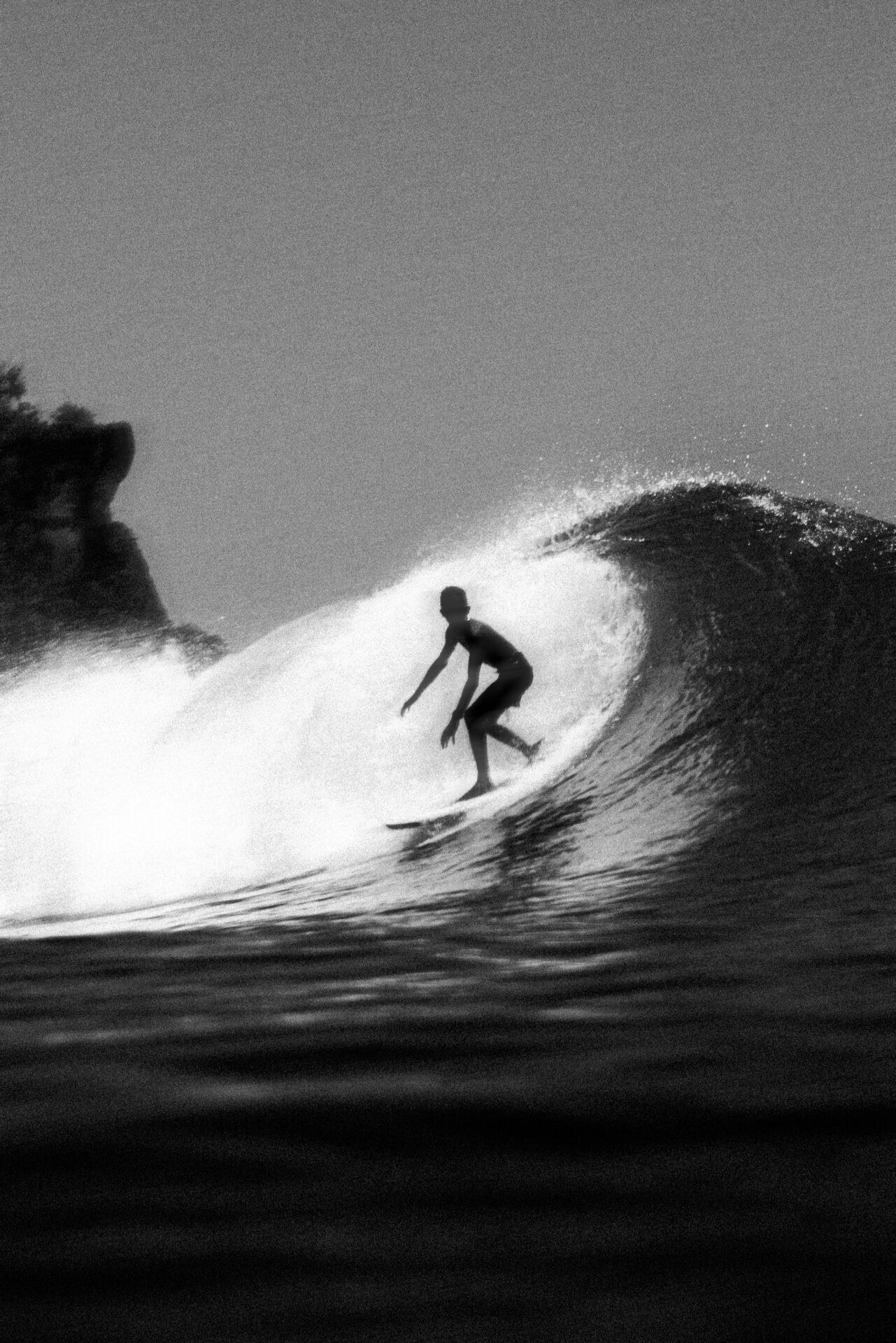
“The act of photographing is not separate from the way I exist in that space.”
Responsibility, for him, is about maintaining the balance between expression and honesty.
Working between cinematography and still photography has further shaped this awareness. The two mediums ask different things. Cinematography introduces the dimension of time — a consciousness of what comes before and after the frame, of movement and duration. Still photography demands the recognition of a single moment when form, light, and atmosphere converge into something that cannot be improved upon. Moving between the two creates a layered perception of place — neither purely sequential nor purely fixed.
“I perceive both the flow of time and the power of stillness at the same time. It allows me to experience a place not only as a passing sequence, but also as a single, concentrated presence.”
It is, in a sense, the same landscape seen twice — and understood more fully for it.
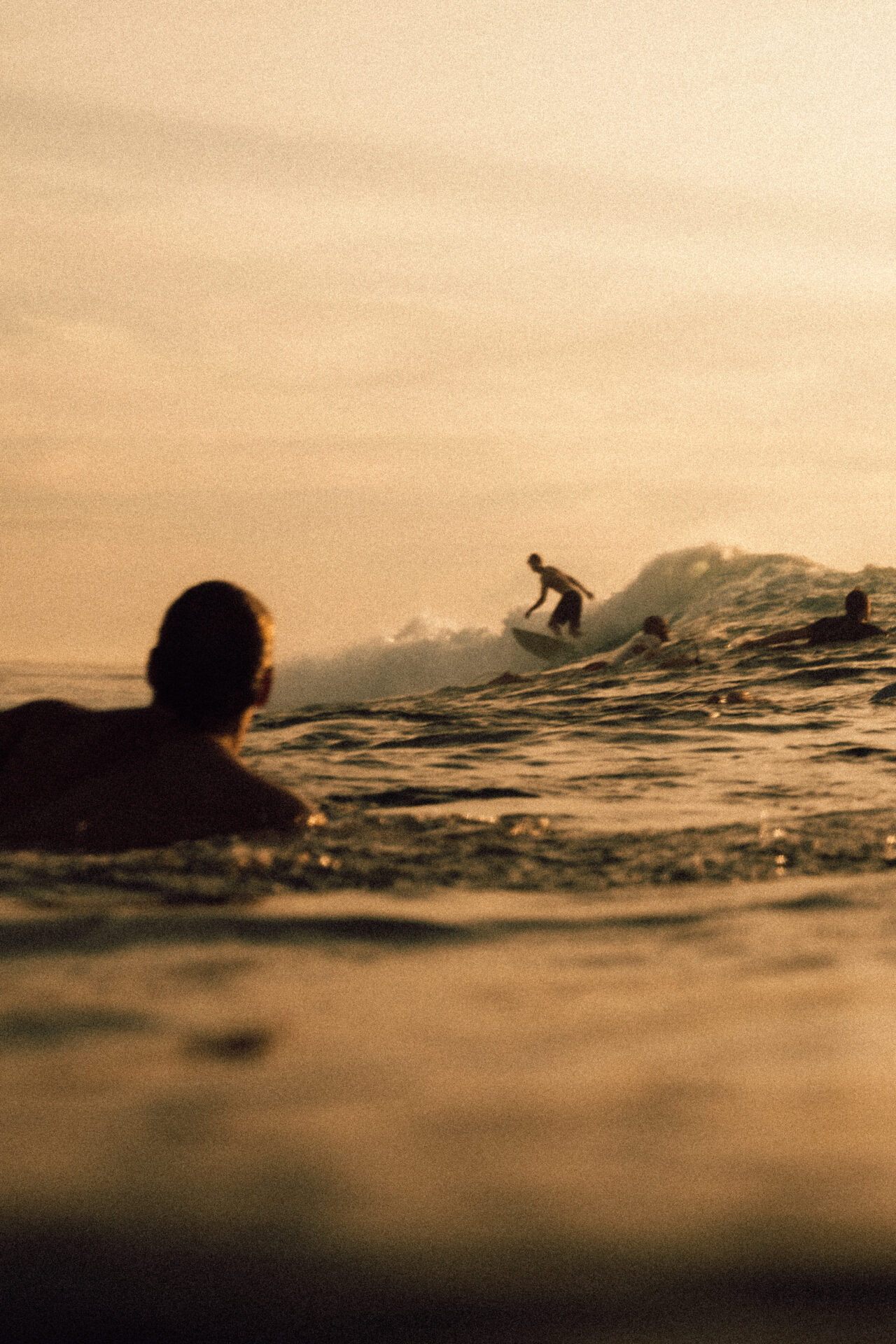
Waiting with the tide. By Fabio Kraniotis
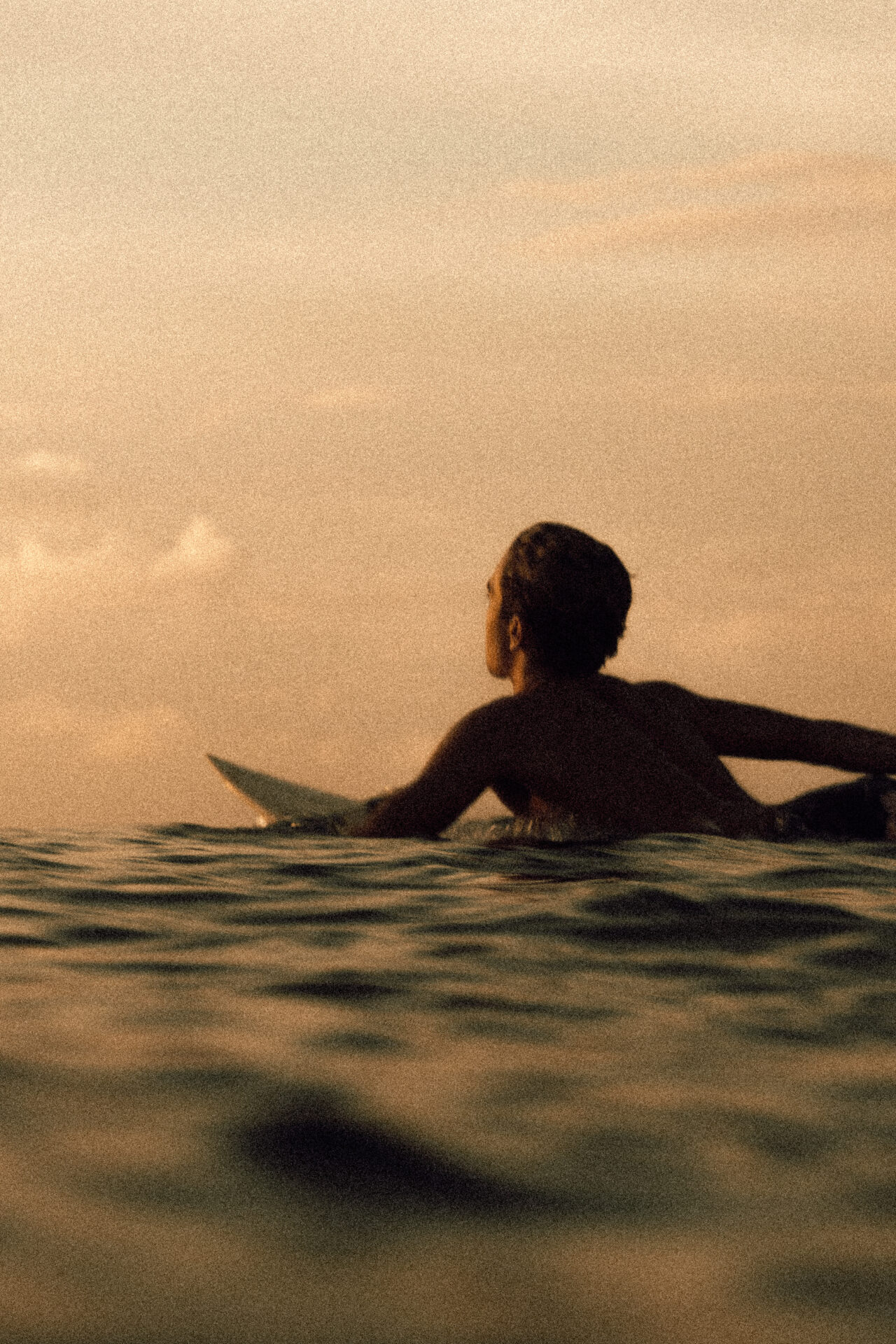
Fabio believes landscapes hold emotion and reflect it in equal measure. Certain places feel heavy; others feel open or calm. That sensation exists before any attempt to explain it, arriving as something physical rather than intellectual. At the same time, our inner state shapes how we interpret a place. The same horizon can feel hopeful one day and distant the next. There is an exchange — the landscape offers something, and we meet it with our own emotions. What we experience is born somewhere in between.
Perhaps what makes landscapes so compelling is their honesty. Unlike people, they do not conceal themselves. Weather, erosion, and time leave visible marks. Change occurs openly.
“They don’t pretend or perform. They exist as they are in that moment. There is a quiet truth in them that doesn’t need explanation.”
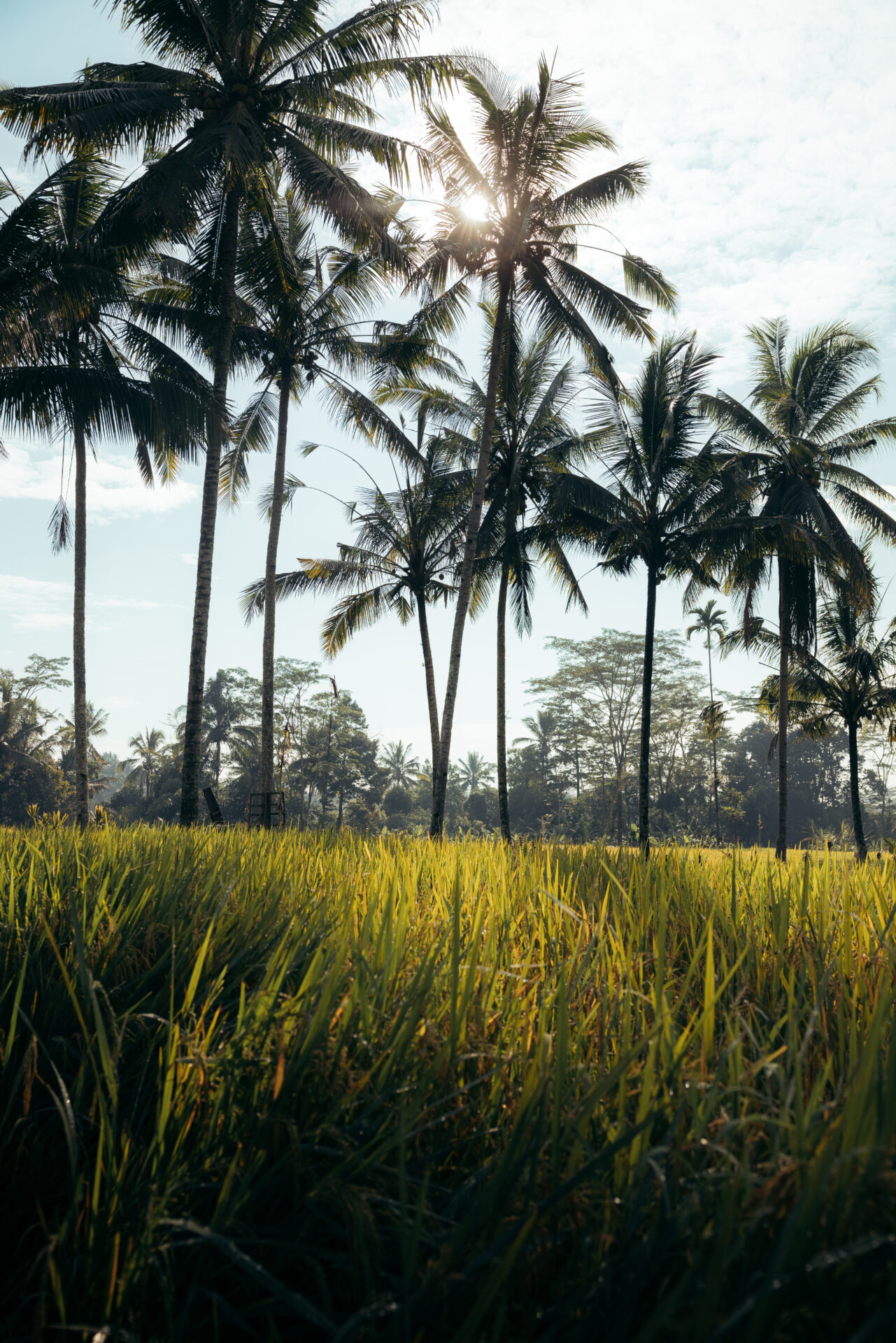
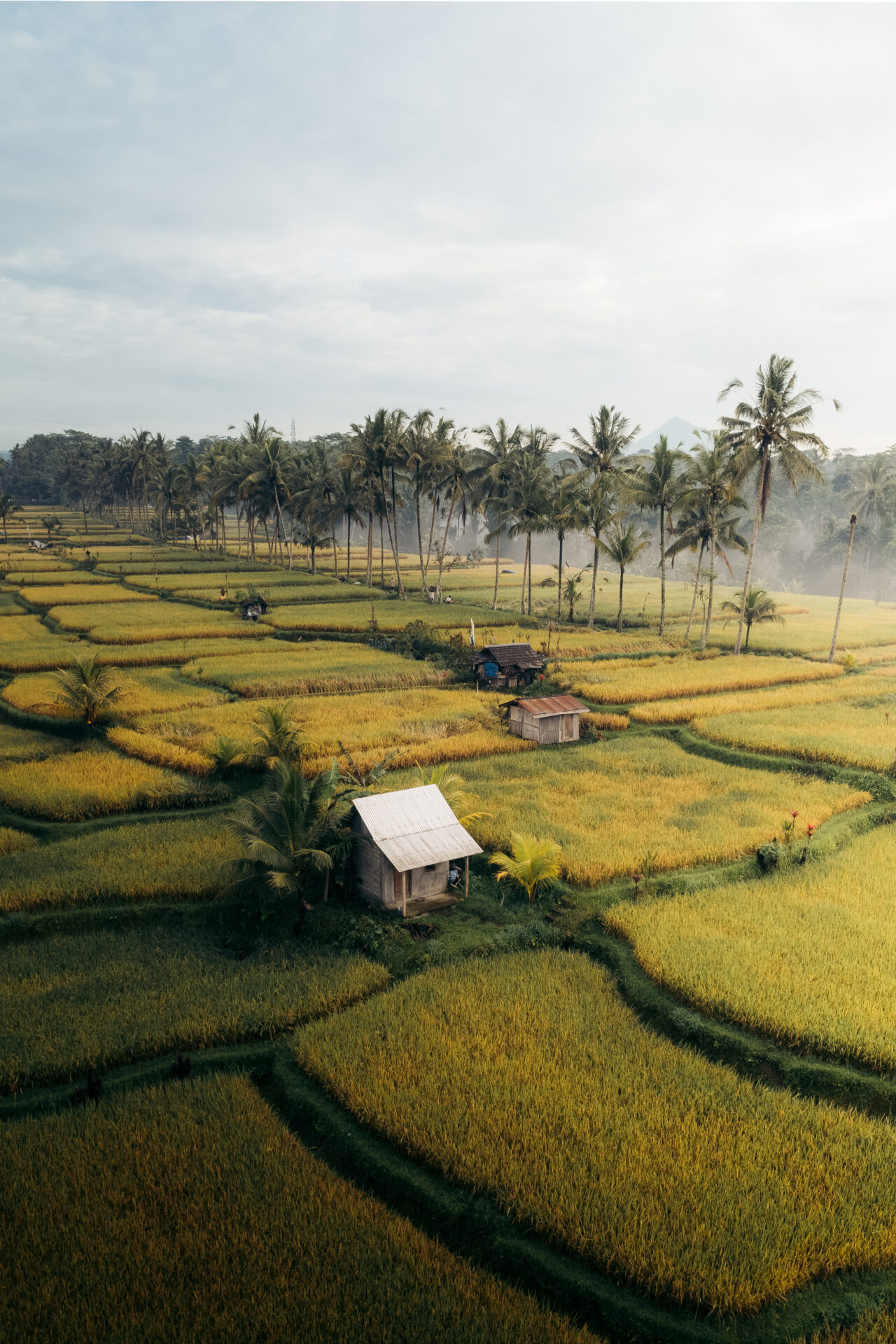
Walking the field. by Fabio Kraniotis
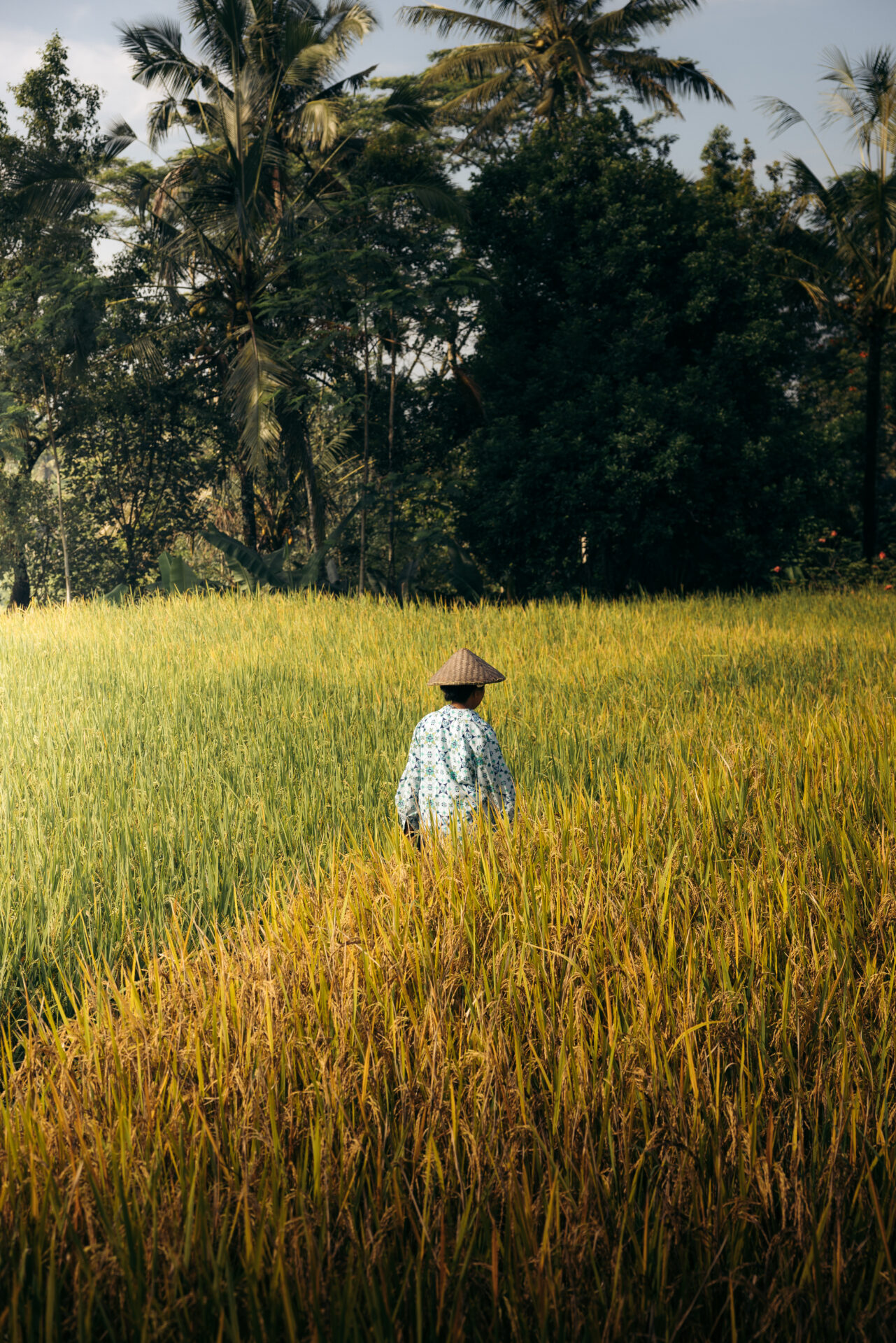
Seasonality also shapes his work, though not in the way one might expect. It is less about dramatic change than about the quality of available light — the longer days of warmer months, the openness they bring, the brightness that feels natural to him. These conditions allow the atmosphere he seeks to emerge more clearly.
Understanding a place, he has found, requires both proximity and distance. Moving close reveals detail — textures, subtle shifts in light, small movements across the ground. Stepping back reveals structure: how elements relate within the larger landscape, how the whole holds together. Neither perspective alone is sufficient. Approaching a place and then allowing space to step away and reflect — that movement between the two is where understanding accumulates.
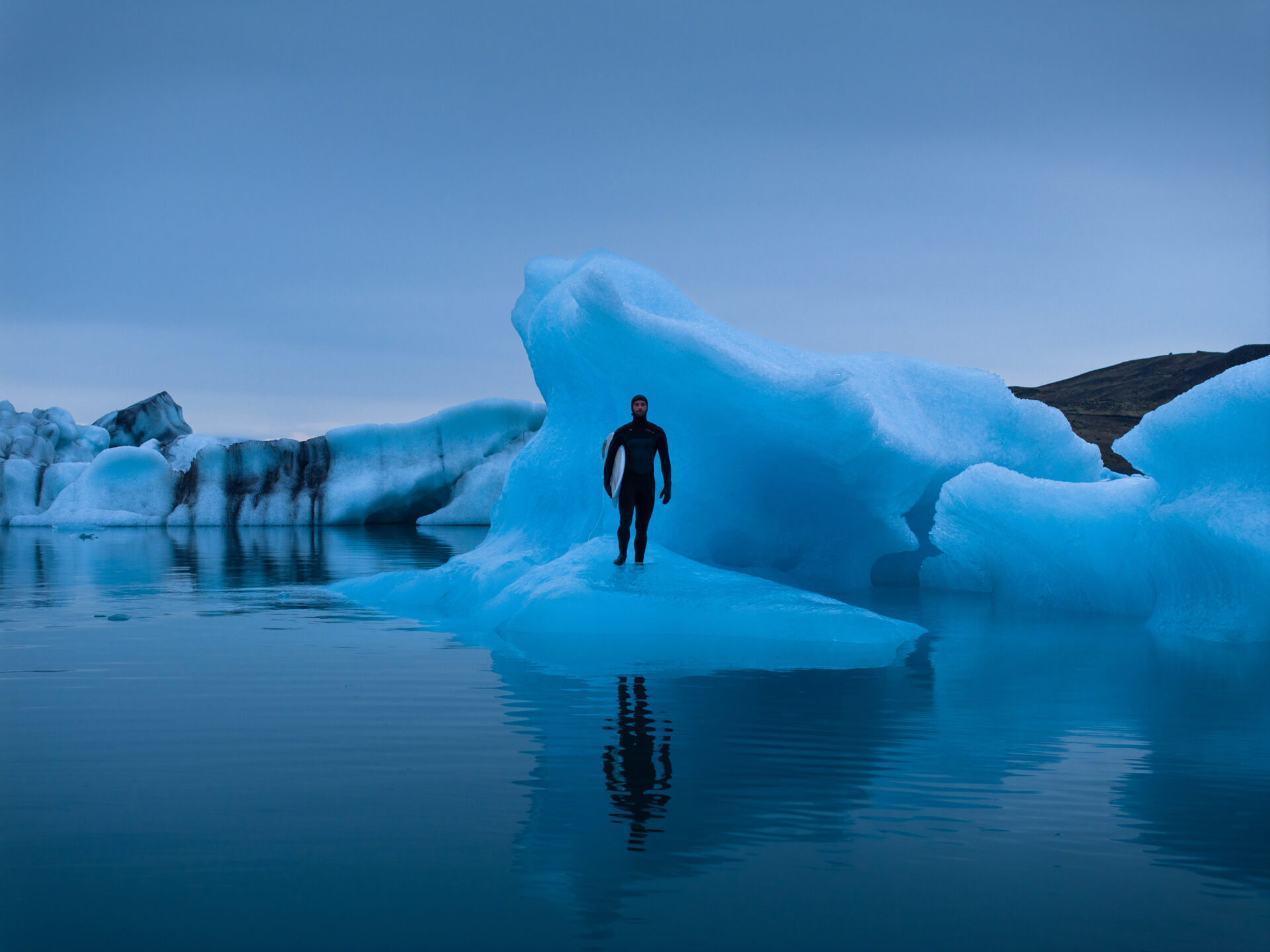
Standing with the cold. by Fabio Kraniotis
When he walks into a landscape today with a camera, he is not searching for something predetermined. He remains receptive — open to whatever the place offers. A certain silence, a particular quality of light, a composition that feels balanced and alive. The photograph emerges from that alignment.
Across all of these experiences — the islands and coastlines of childhood, the long hours of waiting for light, the movement between stillness and time — one intention remains steady. Places change, seasons shift, atmospheres evolve. But the impulse does not.
It is not a search for the spectacular or the new. It is something quieter and more patient — a commitment to images that feel simple, present, and true. Images that allow the viewer not only to see a landscape, but to feel a moment within it.
What remains constant is the search for silence, emotional honesty, and the desire to provide a feeling to the viewer.