Designers (24)
Close
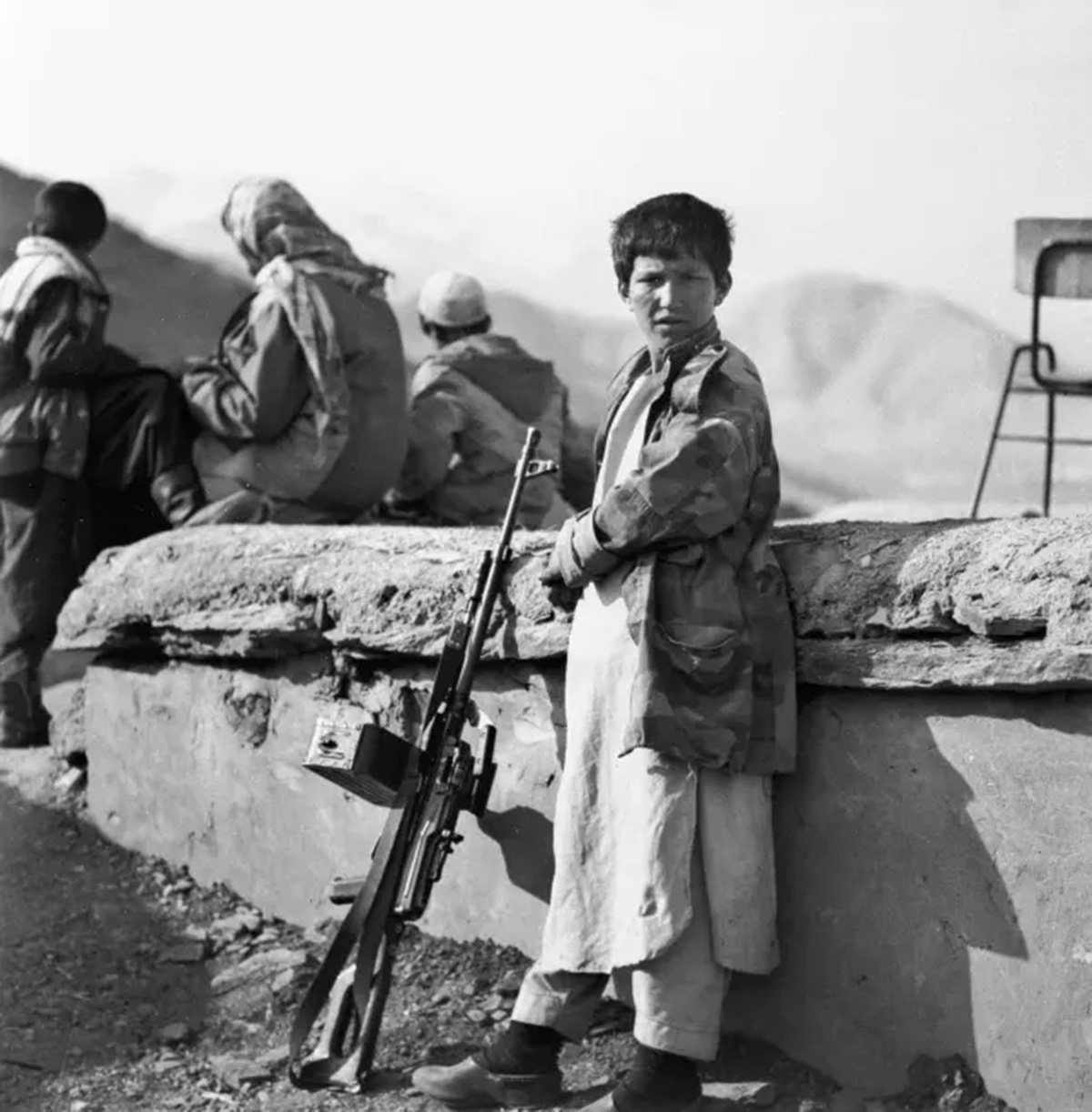
Childhood interrupted, dignity quietly remains.
The return from Tibet did not produce an immediate change of direction. It altered the questions that guided his work. Photography remained central, but it was no longer enough simply to observe. Before long, those questions would find their own answer.
Through personal connections, Michel became involved in conversations surrounding the construction of a hospital in Kabul. The request directed to him was practical rather than philosophical: he was asked to help mobilize support and reach individuals capable of contributing to the creation of medical infrastructure in regions where care remained scarce.
What began as a simple request soon became a lasting commitment. The work required travel into environments far removed from the controlled spaces of studios and editorial production. The camera accompanied him, but the conditions surrounding its use had changed. Photography was no longer only about representation. It became a means of engagement — a way to document, communicate, and contribute to efforts that extended beyond image-making itself.
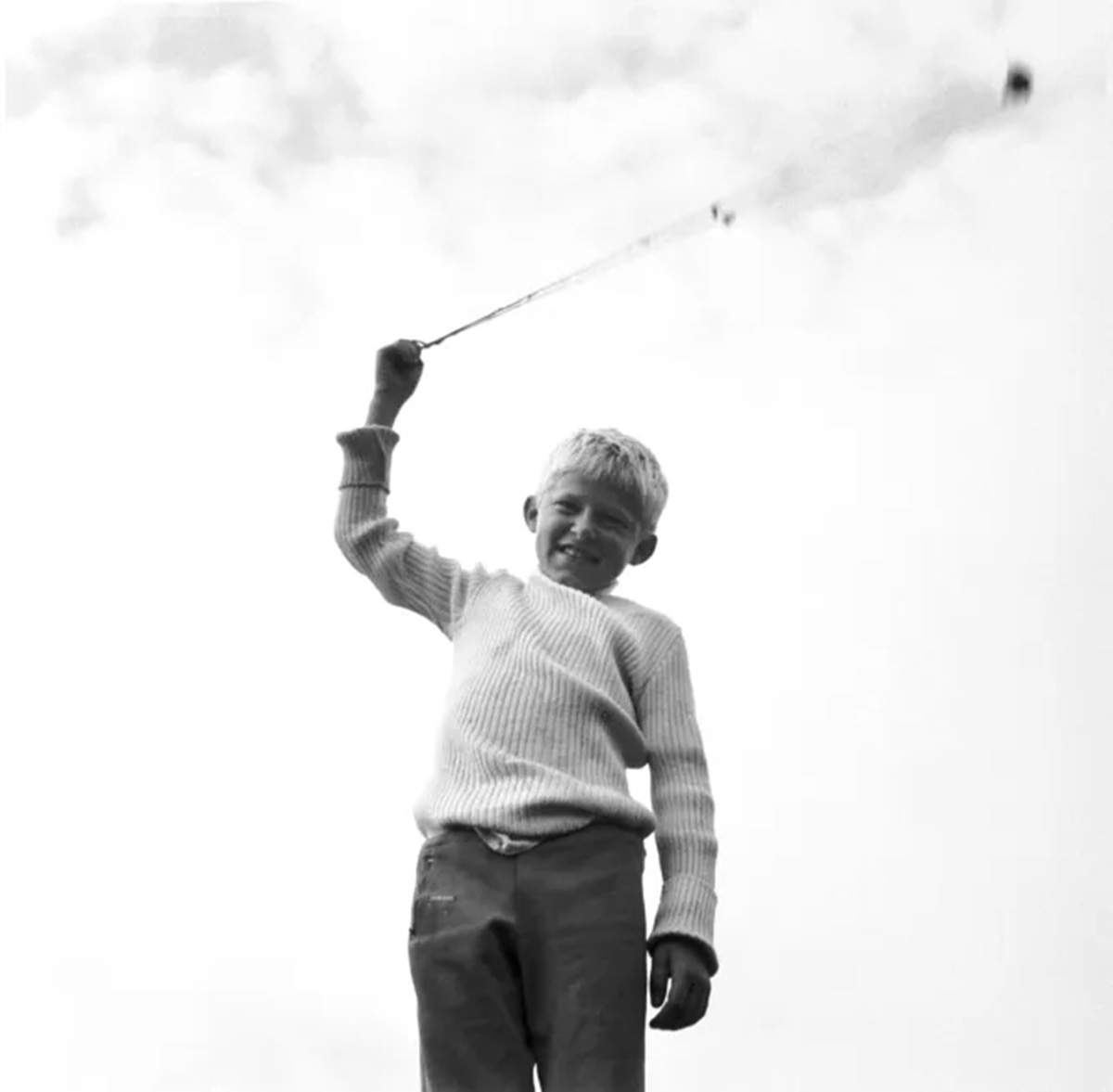
Joy survives even the darkest circumstances.
From this initiative, his involvement expanded into sustained collaboration with the Red Cross. That engagement would continue for twelve years and remain one of the most meaningful chapters of his life. Over time, the work extended into multiple regions affected by conflict and instability; Bosnia, Kosovo, Sudan, Iraq, and Afghanistan among them. Each location required preparation. Nothing could be approached casually. Travel demanded attention not only to destination, but to circumstance.
These were environments where infrastructure remained fragile and conditions changed without warning. The presence of medical facilities could determine survival. Hospitals were not abstract structures; they were lifelines.
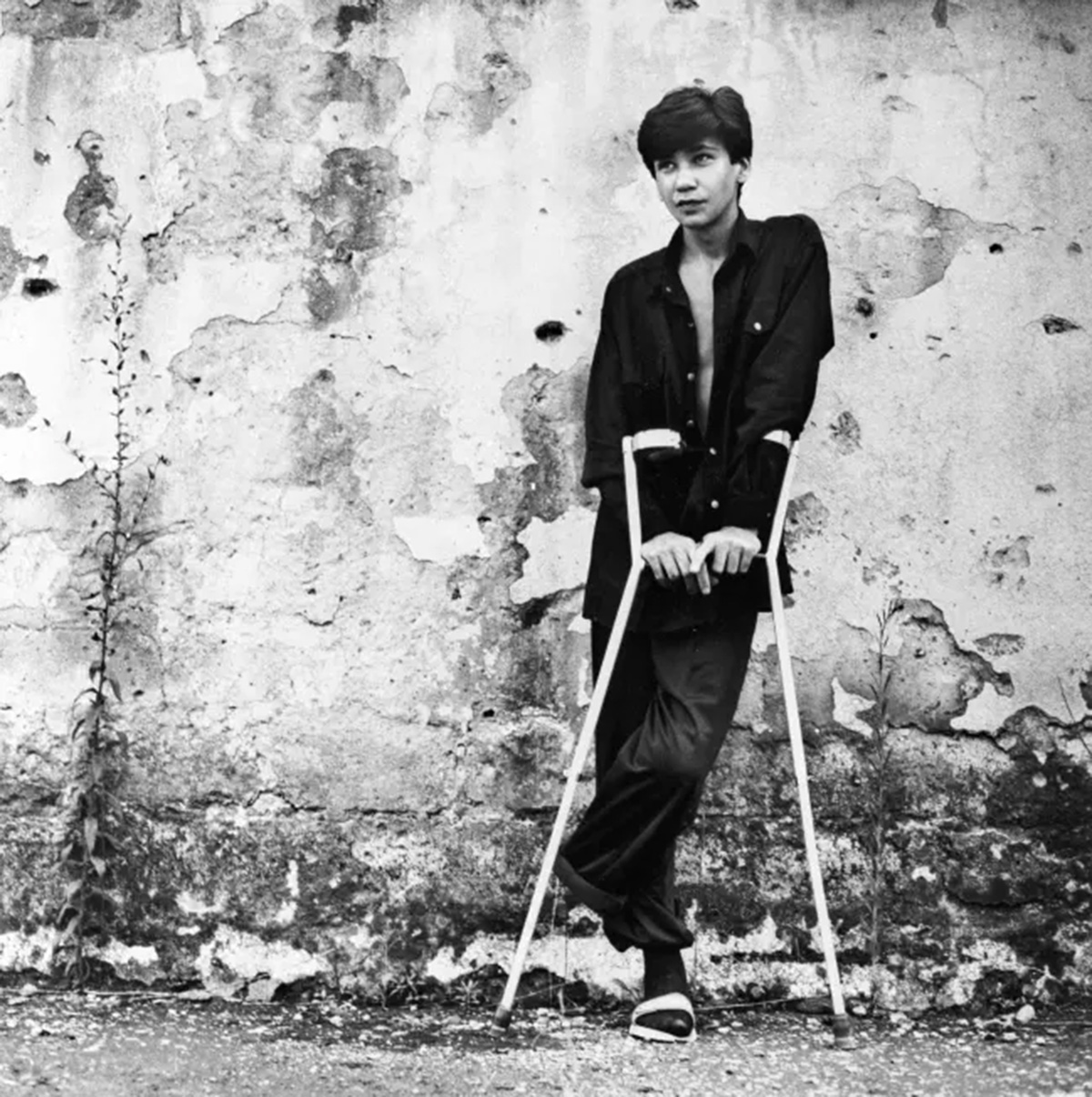
Resilience begins where certainty disappears.
Photography, within this context, became inseparable from responsibility. Images were used to communicate urgency and to reveal needs that could not remain invisible. They allowed distant realities to become visible to those capable of offering support. The camera, once used primarily to construct visual narratives in controlled settings, now functioned within environments defined by unpredictability.
What remained most striking to Michel during those years was not the noise often associated with war, but its quietness. War did not unfold as constant sound. Instead, it existed in long intervals of stillness interrupted by moments of sudden violence. Entire landscapes remained suspended in silence. Streets emptied. Buildings stood motionless. Even conversation changed. Voices lowered, gestures restrained.
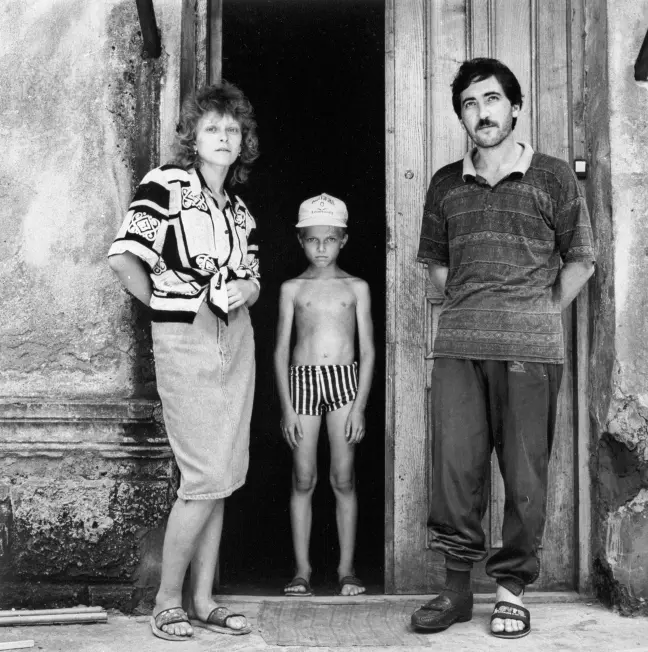
Home forever changed by unseen consequences.
The quietness carried tension. It was not peaceful silence, but watchful silence. A stillness shaped by uncertainty rather than calm. Movement became deliberate. Each action required attention. The absence of sound did not signal safety. It signalled the possibility of sudden change. Unless bombing began, entire areas remained still.
This stillness altered his understanding of presence. Photography in such environments demanded patience rather than speed. It required attention to surroundings with an awareness that extended beyond the frame itself. Observation replaced reaction. The image became witness.
During his time in Kabul, one event became permanently fixed in memory.
Another photographer was present in the city at the time, working for Soldier of Fortune magazine. His intention was proximity — to move as close as possible to active areas of conflict. The risks were evident, and movement beyond designated zones carried immediate danger.
Michel advised caution. He warned him not to go. The photographer chose otherwise, and Michel remained nearby.
Soon afterward, confirmation returned: the body was brought back.
There was no spectacle surrounding the moment. No prolonged explanation. Only the recognition that a decision had been made and that its consequence had followed without delay.
That memory did not remain abstract, but became lived experience. It reinforced the understanding that responsibility extended beyond the camera itself. Presence in such environments demanded judgment — not only about what could be photographed, but about what should be avoided.
From that point forward, risk was never theoretical. It was understood. Despite these realities, the work continued.
Across many years, hospitals were constructed in regions where medical care had previously been inaccessible. These structures represented continuity and proof that sustained effort could transform fragile conditions into stable ones. The work demanded persistence rather than momentary involvement.
Those twelve years accumulated. They reshaped perception. They altered his understanding of what photography could serve.
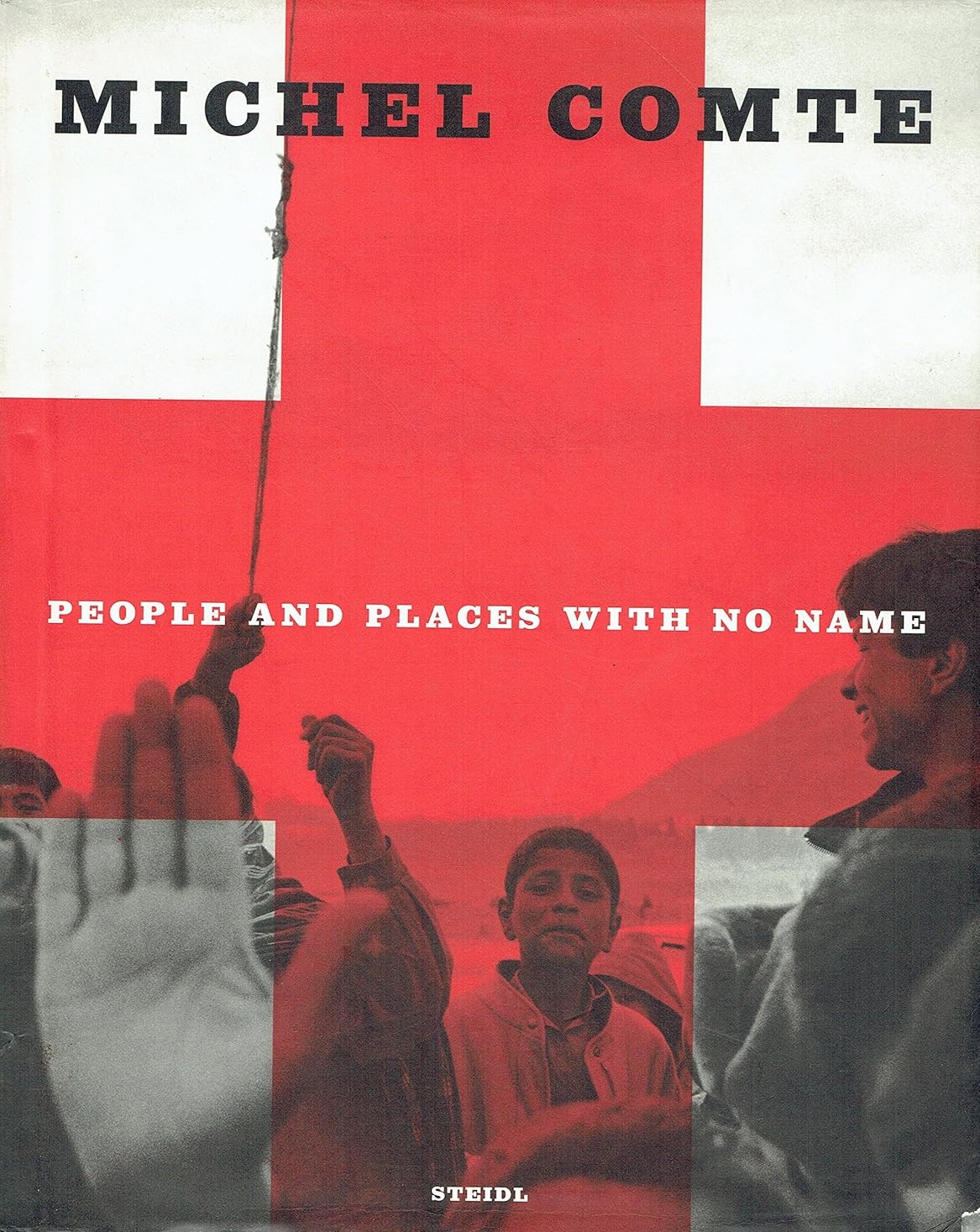
People and Places with No Name (Steidl). Michel Comte's humanitarian work gathered in a landmark publication documenting lives shaped by conflict, resilience, and hope.
Years of sustained work in humanitarian environments altered Michel Comte’s understanding of responsibility. Another shift would soon reshape his practice in a different way.
From this turning point, a new form of creative discipline began to take shape.
Writing gradually became central to Michel’s process. What began as reflection evolved into narrative, requiring endurance unlike anything he had previously experienced. Photography allowed decisions to unfold within seconds. Writing demanded patience measured in years.
The screenplay that would become The Girl from Nagasaki required four years to complete.
Those years were defined by research as much as writing. The subject demanded historical depth and cultural understanding. Japan became central to the work, not only as setting, but as intellectual and emotional landscape. His connection to the country was personal, shaped through relationships that introduced him to its traditions and history.
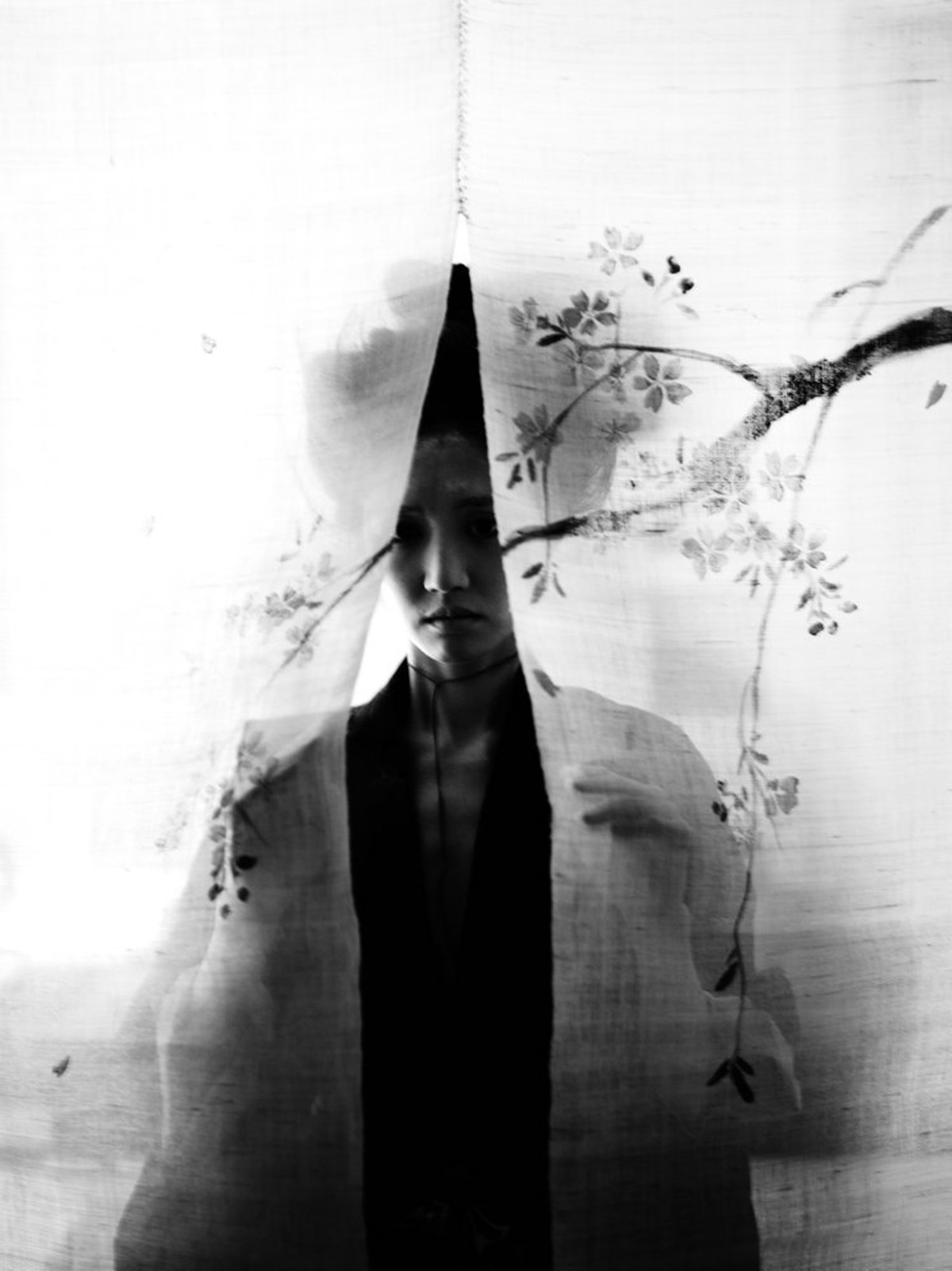
Memory lingers where history leaves its shadows.
During this extended period of preparation, an accident affecting his eyesight occurred. For a time, his vision became uncertain, interrupting the reliability that photography depends upon. The experience forced distance from habitual working methods and introduced an unexpected interruption within the creative process. Yet the work did not stop. Writing continued, sustained by discipline rather than momentum.
In time, his sight returned fully — and with it, a renewed clarity about what the image could carry.
It was then that he encountered the work of Akira Kurosawa, whose films shaped his understanding of cinema as a disciplined form of historical storytelling. In time, he met Kurosawa himself — an encounter that reinforced the seriousness required to translate history
into cinematic form. The discipline of cinema demanded structure, patience, and commitment equal to photography, yet extended across longer durations.
The production of the film unfolded across several countries, including Italy, Germany, and the United States. Each location introduced logistical complexity, requiring coordination across teams and environments. Scenes demanded repetition. Light required waiting. Continuity demanded attention to detail across long periods of time.
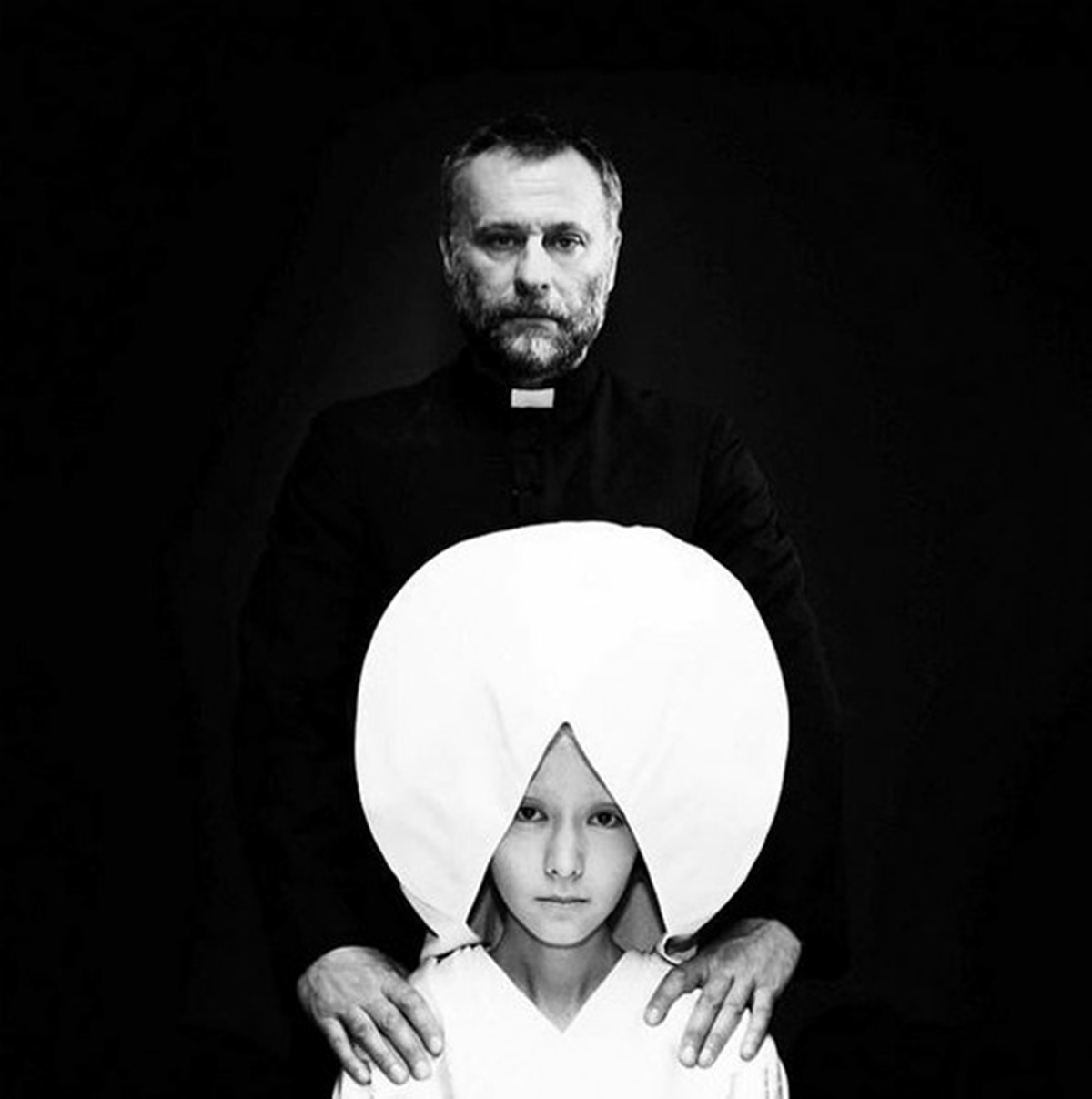
Innocence carries what history cannot forget.
The atmosphere of filmmaking stayed with him.
Film sets created environments where time moved differently. Photography captures a moment. Cinéma constructs duration. Instead of one decisive instant, there were sequences unfolding across hours and days. Instead of isolated images, there was sustained narrative.
Among those who visited during production was Bernardo Bertolucci. His presence reflected the seriousness of the project and reinforced its position within a broader cinematic tradition.
The process demanded physical endurance as well as creative discipline. Years of writing were followed by months of preparation and filming. Every stage required persistence. The scale of the work became overwhelming at times, demanding commitment beyond ordinary limits.
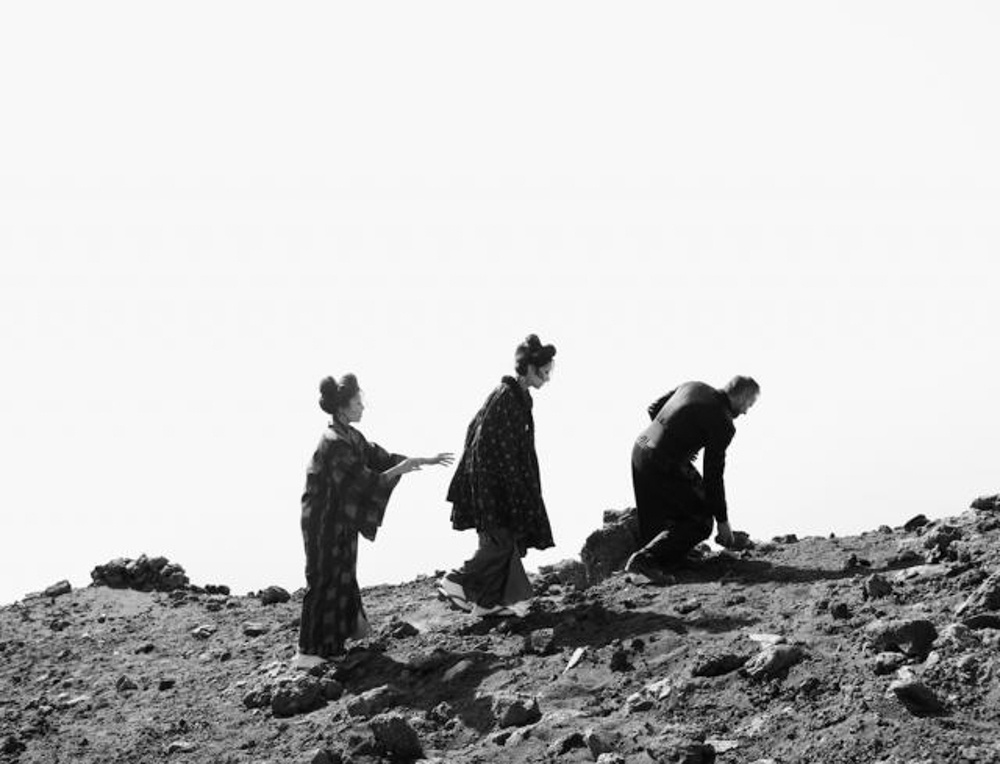
Memory asks us to walk with the past.
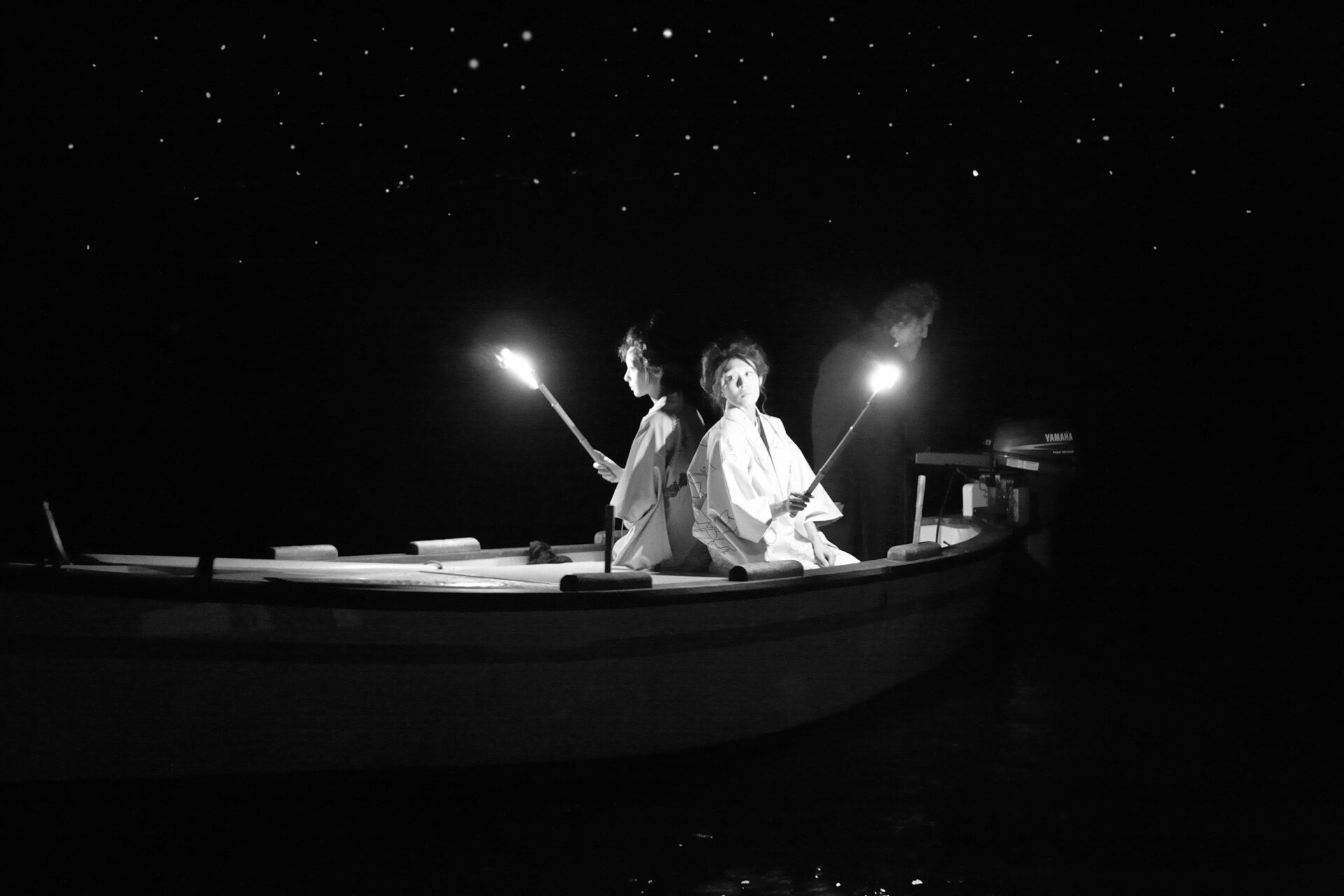
Stars above. Memory below. Light between.
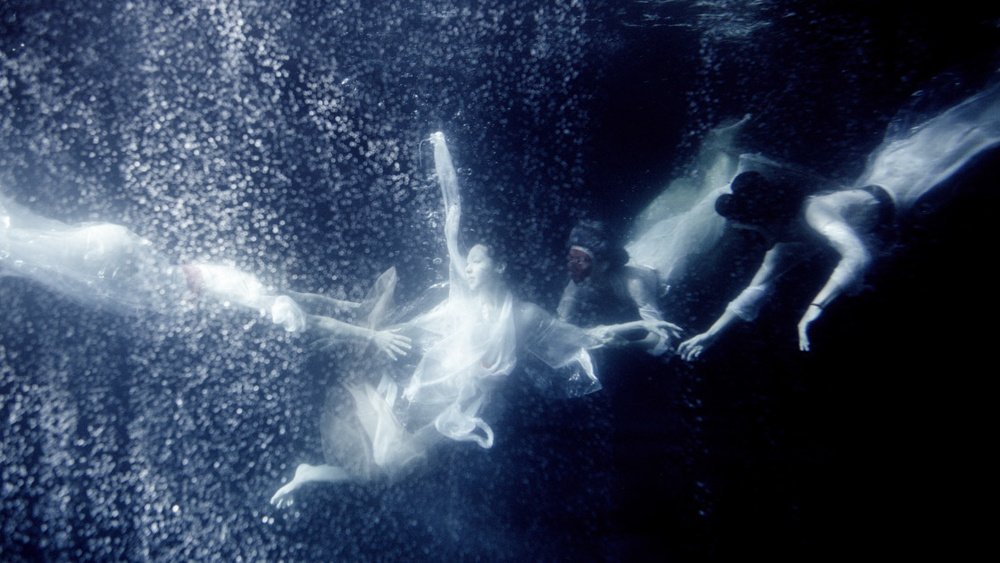
Memory drifts where words can no longer reach.
Making the film, he later reflected, almost cost him his life.
Yet completion brought not only resolution, but a new understanding. Cinema expanded his understanding of image-making beyond the instantaneous into the temporal, revealing how duration could carry meaning differently than stillness.
Photography had not been replaced. It had been extended.
Years of movement across cities and countries created familiarity with extraordinary environments, yet some of the most meaningful encounters occurred in the simplest places.
On the island of Capri, Michel witnessed a moment that remained fixed in memory.
An elderly fisherman sat near the water, repairing a net by hand. The work moved slowly, guided by habit rather than urgency. Beside him, a woman remained close — present without interruption, sharing the rhythm of the task without speaking. There was no performance in the gesture, only continuity.
The man continued his work with precision developed over decades. The net passed steadily through his hands, each movement deliberate and practiced. Time appeared measured differently there, not through schedules or production cycles, but through repetition.
At one point, they offered coffee and bread — nothing elaborate, nothing ceremonial, only a simple gesture extended without expectation. Michel remained there, observing. They were both close to ninety years old.
What remained striking was not their age, but their continuity — the quiet persistence of shared routine maintained across years. There was dignity in the repetition of daily work, and stability in the presence of another person beside them.
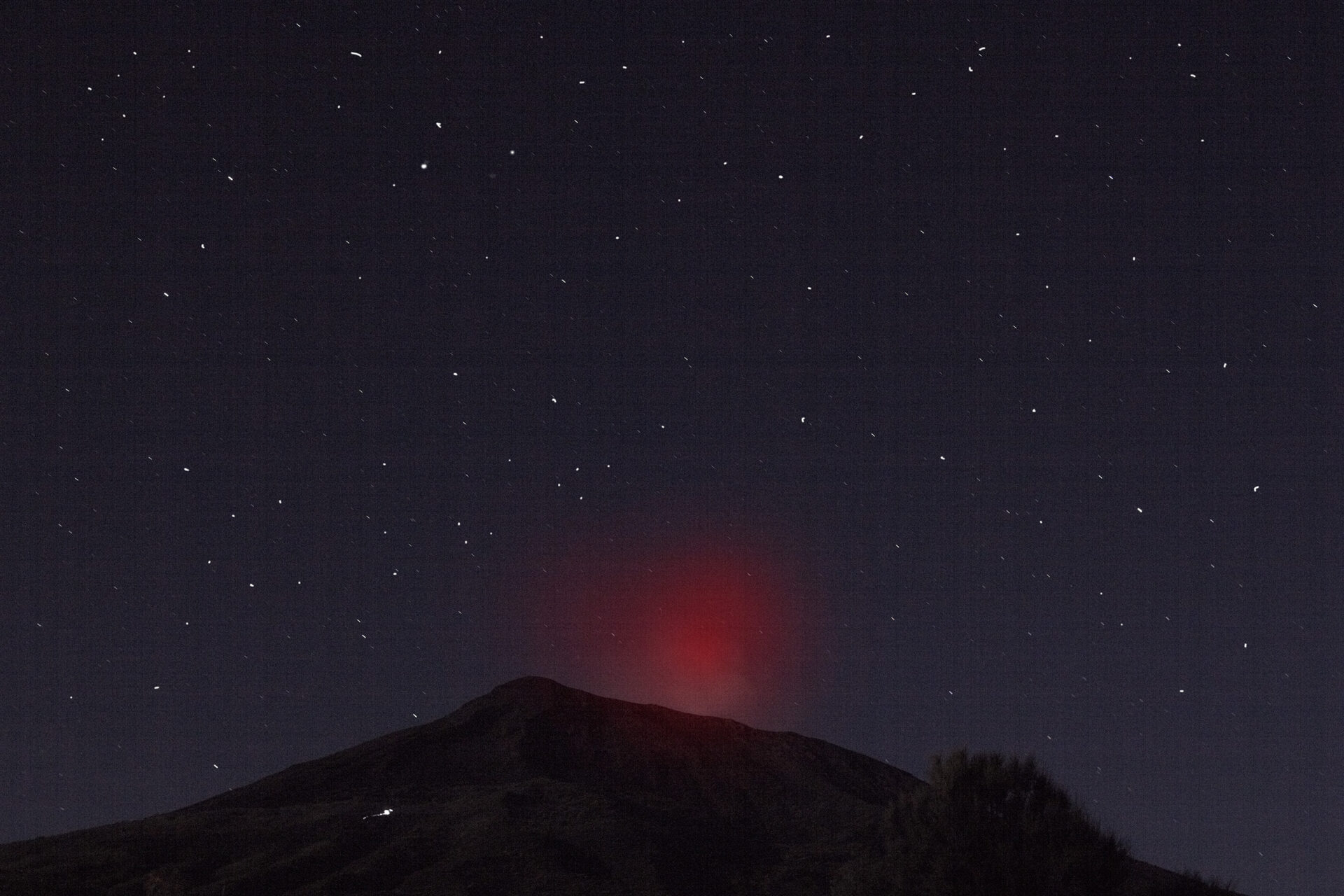
Even the darkest nights hold quiet light.
He later described the encounter as one of the most meaningful moments of his life, not because of spectacle, but because of recognition — recognition of endurance, partnership, and time lived carefully rather than hurried.
It was a reminder that meaning does not always emerge from extraordinary events. Sometimes it exists in the smallest gestures, repeated quietly across a lifetime.
Not all turning points announce themselves through public events. Some arrive quietly, altering the structure of life in ways that cannot be fully explained.
Time does not always signal change immediately.
At one point, Michel spoke of loss — not as spectacle, but as experience carried privately. It was described without elaboration, yet its presence remained unmistakable. The weight of it extended beyond words, altering the structure of daily life in ways that required adjustment rather than explanation.
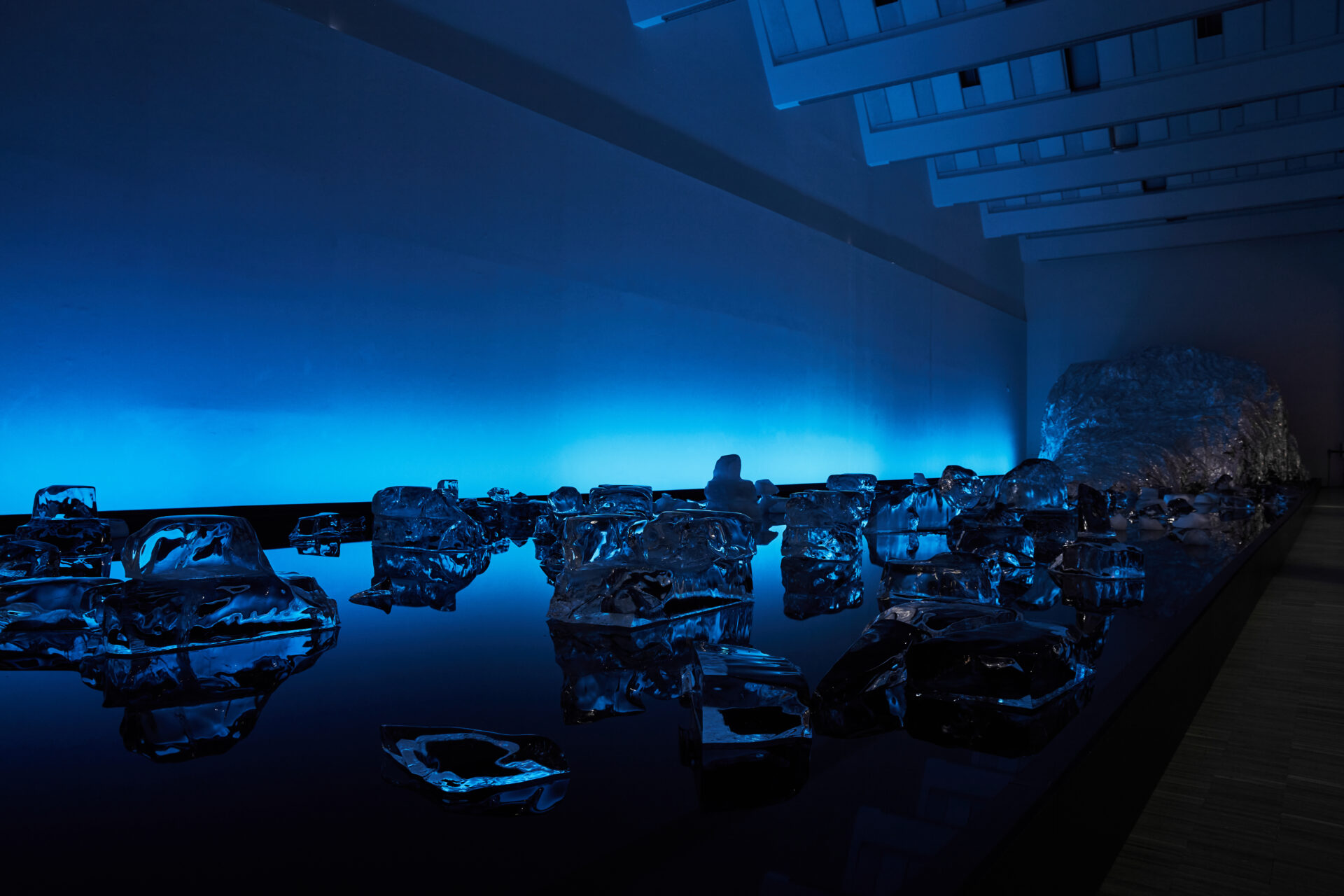
The image becomes a place to inhabit.
Loss changes rhythm.
Work continues, but its meaning shifts. Priorities reorganize. Time becomes more deliberate, measured not only through activity, but through an awareness of what cannot be recovered.
There are moments in life that separate time into before and after — not through visible markers, but through recognition, the understanding that something essential has changed.
He did not dwell on details. What remained clear was the presence of respect, memory, and continuity — an acknowledgment of what had been lived, and what remained carried forward.
In that space, work continued, not as distraction, but as continuation.
Work, for Michel Comte, has never existed as something completed and set aside.
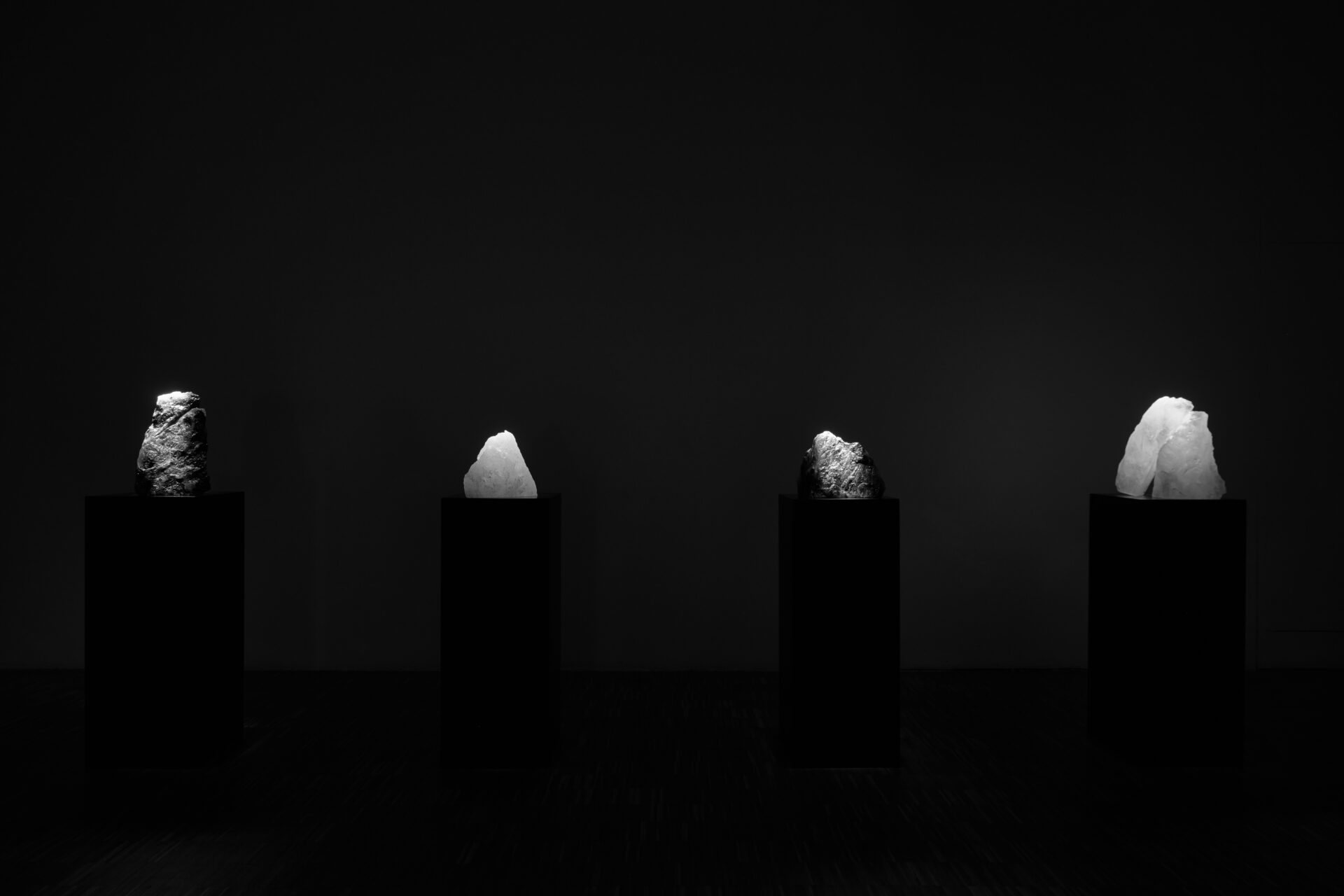
Even stone remembers how to carry light.
Images accumulate. Experiences remain active. Memory does not remain static — it reorganizes itself through reflection and return.
In recent years, he has turned toward the careful examination of his own archive — an extensive body of photographs built across decades of sustained work. The archive does not exist as preservation alone, but as structure. Each image forms part of a larger continuum shaped through repetition, discipline, and movement across time.
From this process, a new undertaking has emerged: he is writing a book built from the material of his own life — not as autobiography in the traditional sense, but as reconstruction through images. The archive becomes narrative. Photographs that once existed as isolated assignments now return as fragments of memory, reorganized into sequence.
The act of writing reflects a familiar discipline.
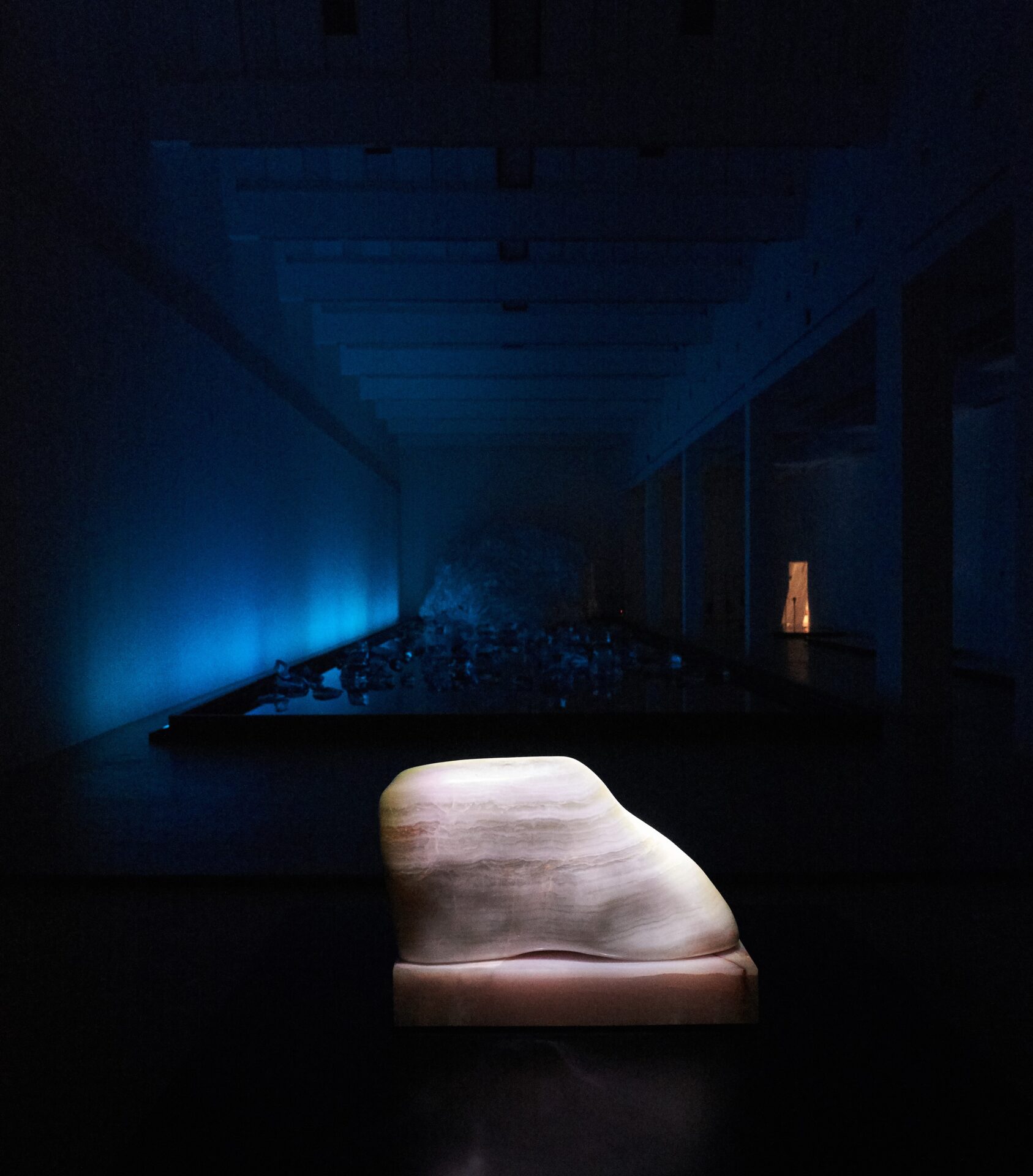
Light settles where memory comes to rest.
Research continues. Selection requires judgment. Images are reconsidered, placed beside one another, and viewed again from distance. Time allows interpretation that immediate production rarely permits.
Alongside the book, work has expanded into large-scale installations. Photography leaves the frame and enters architectural space, transforming walls into surfaces of memory. Images that once existed within magazines or archives now appear at monumental scale, confronting viewers directly rather than through pages.
One such installation was developed in connection with the Vatican — an undertaking that extended photography beyond private viewing into collective encounter. The scale required not only technical preparation, but conceptual clarity. Images became environment rather than object.
These projects do not signal conclusion.
They signal continuation.
Even after decades of sustained work, Michel continues to expand the form of photography beyond its original boundaries — moving between still image, narrative, and spatial experience. The archive remains active, not closed. Each return to past work generates new possibilities.
Movement continues — not through urgency, but through persistence.
Photography, for Michel Comte, has never existed as decoration. It has functioned as witness — to beauty, to conflict, to memory, and to time itself.
Responsibility did not arrive suddenly.
It accumulated.
Through movement.
Through encounter.
Through memory.
The image remains.
And responsibility continues.
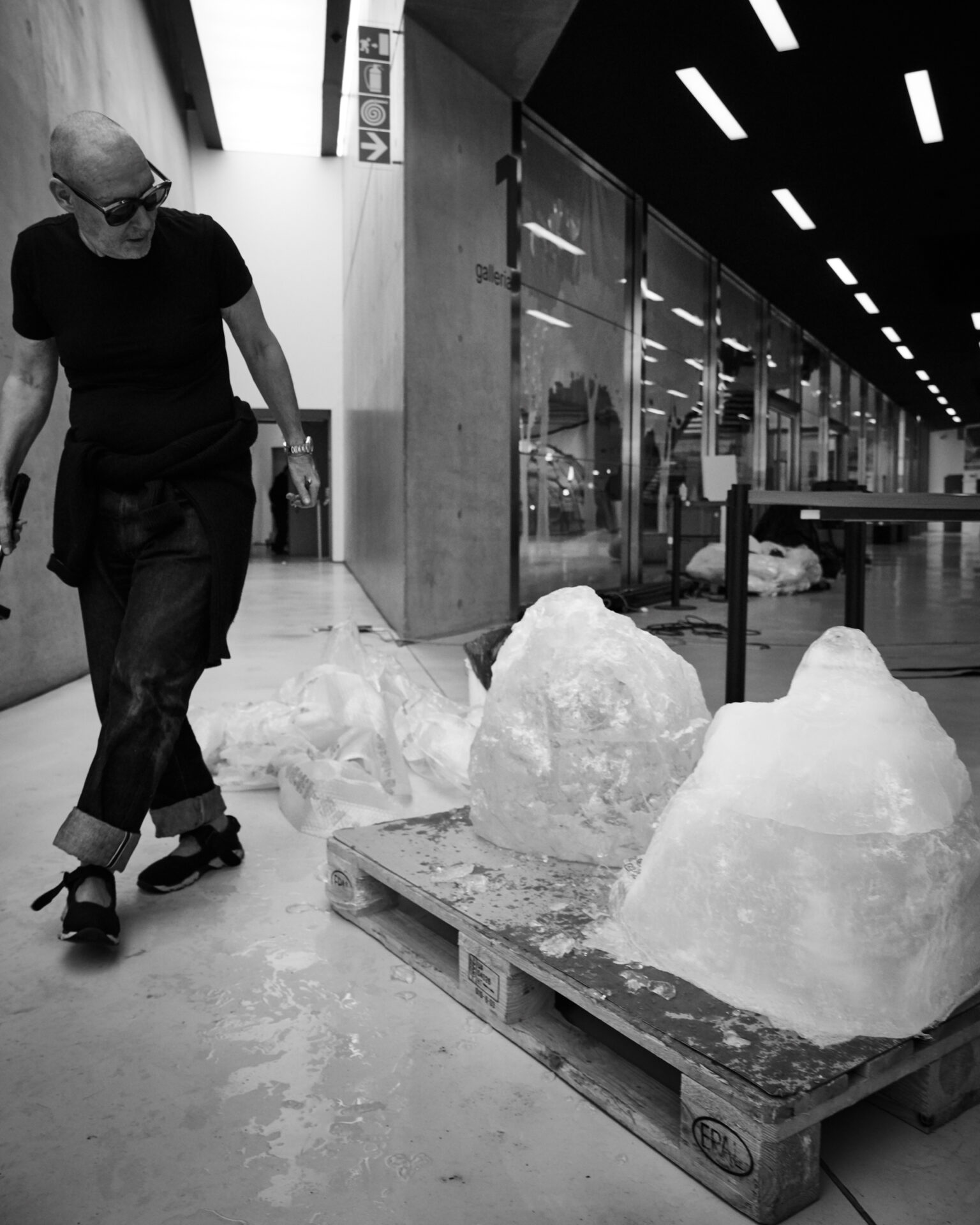
The work continues long after the image fades.
Humanitarian photographs from People and Places with No Name:
- © Michel Comte / Courtesy of Studio Michel Comte
The Girl from Nagasaki
- Directed by Michel Comte and Ayako Yoshida.
- Film stills and production photographs © Michel Comte / Courtesy of Studio Michel Comte
This editorial exists thanks to Michel Comte’s generosity in sharing not only his photographs, but also his time, memories, and reflections. Studio Fenice is deeply grateful to Michel and Ayako Yoshida for their trust, encouragement, and the materials they so kindly made available for this publication.