Designers (24)
Close
Balagne, Corsica
Inland Corsica reveals itself slowly. Away from the coast, where villages cling to slopes and olive trees gather in silvered terraces, the land folds towards the foothills of Monte Grosso. Here, wind moves differently. Light lingers longer on stone. The rhythm of daily life follows the ground itself: seasonal, agricultural, patient.
It is within this landscape, near Zilia in the Balagne and above the vineyards of Alzipratu, that Il Convento stands.
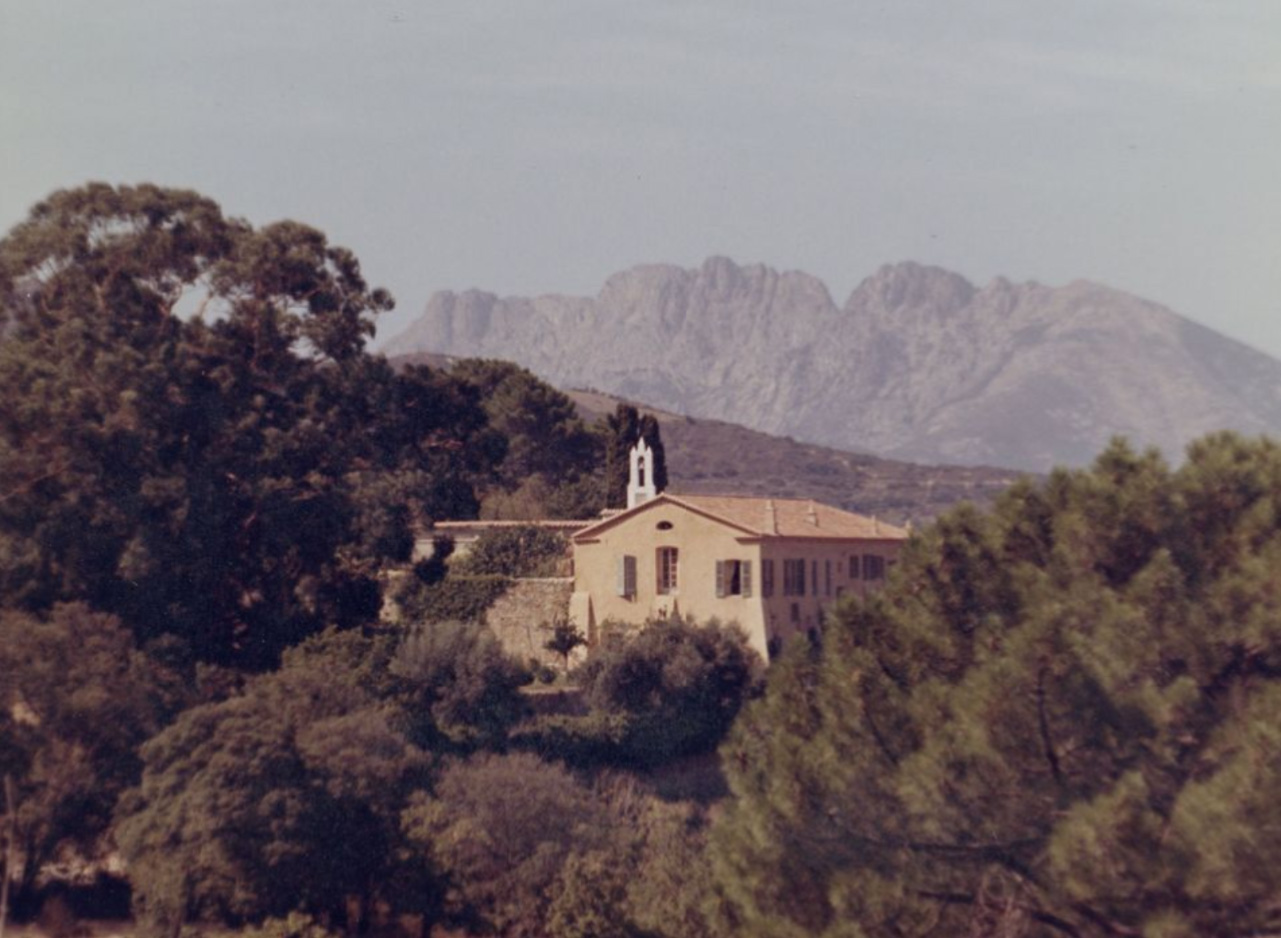
Il Convento at Alzipratu, set against the mountains of the Balagne.
Founded in 1509, the convent was built for a life governed by contemplation and retreat. By the seventeenth century, around twenty monks are believed to have lived there. But solitude would not protect it from history. During Corsica’s war of independence against Genoa, the convent became a military base and was fortified in 1732. French forces held it until they left the island in 1752. After Corsica joined France, monks lived there until the Revolution. The church collapsed and the cloister disappeared, yet the north wing endures, with its vaulted corridors and a refectory that still keeps its painted walls. What remained was a building inseparable from the landscape around it.
In the twentieth century it passed into private hands, among them Baron Henry Louis de La Grange, who founded the Alzipratu wine estate in the 1960s. Then another life began.
The Agnellis knew Il Convento long before it belonged to them. For years they returned to Alzipratu as tenants, inhabiting the former monastery without possessing it. In 1989, Gianni bought the property with Marella in mind.
The gesture might suggest the beginning of a great love affair between Marella and the house. It was not quite so simple. Il Convento was never among the places to which she felt most deeply attached
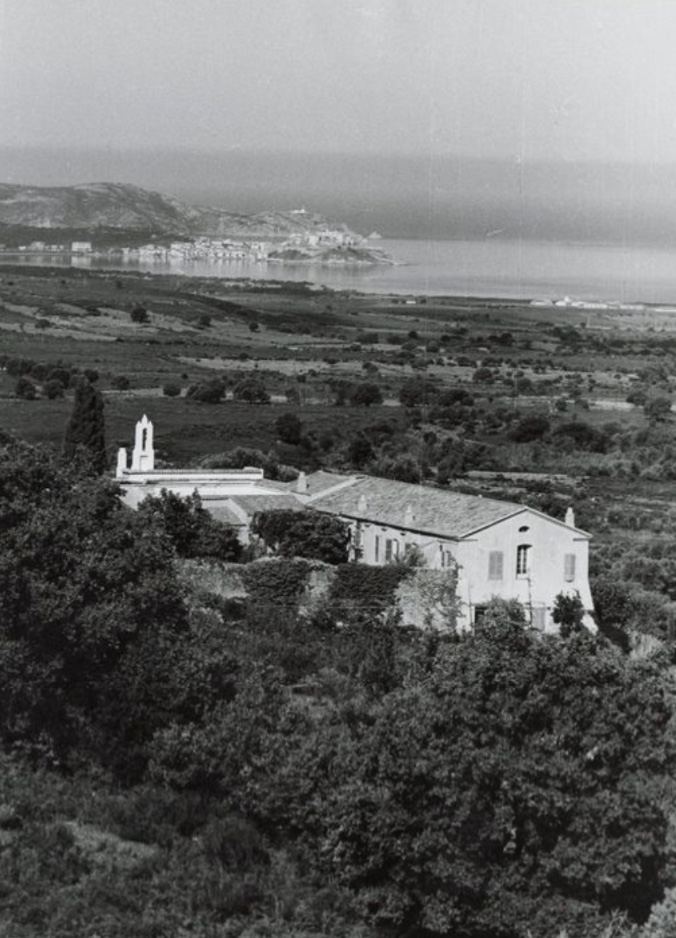
The former convent overlooking the Balagne.
And yet, she paid attention to it.
Perhaps this is what makes Il Convento particularly revealing. Marella did not need to love a place unconditionally in order to understand it. She looked at what was already there: the austerity of the architecture, the weight of its history, the landscape pressing close around it. She resisted the temptation to make it something else. Her contribution was not to invent an identity for the place, but to recognise the one it already possessed, and to decide where, and how lightly, another layer might be added.
The architecture remained largely untouched. Walls were refreshed rather than disguised. Terracotta and stone floors continued to carry the rooms. Antique furniture settled into spaces that retained something of their monastic severity. Some rooms were allowed abundance; others were left with almost nothing.
In one bedroom, pale blue-grey walls meet white curtains, a wooden bed and a hand-worked cover. A long corridor remains almost bare: white vaulted ceilings, terracotta underfoot, a few pieces of dark furniture and an extravagant gathering of yellow branches. Elsewhere, red upholstered armchairs, botanical prints and an old marble fireplace create a room of greater warmth and domesticity.
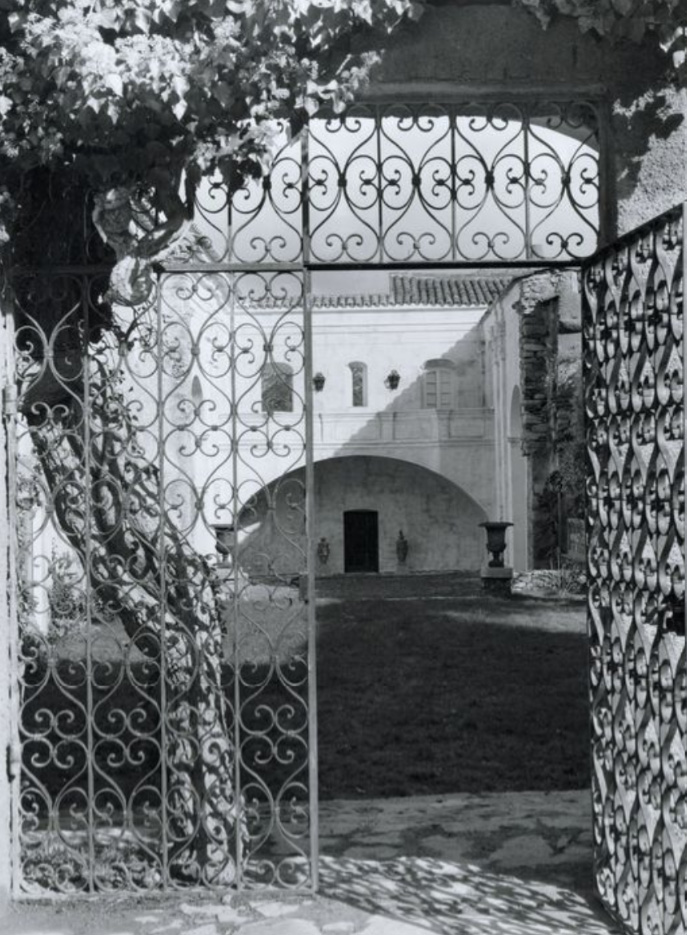
The entrance to Il Convento, where the architecture still carries traces of its earlier monastic life.
And then there is the extraordinary green room.
Books climb across dark shelving beneath a coffered ceiling. Eighteenth-century furniture, wicker and silver coexist with a green-and-pink floral textile of Marella’s own design, repeated across walls, curtains, upholstery and cushions. Flowers appear again on tables. Against the austerity of the former convent, pattern is allowed to become almost exuberant, yet it does not overwhelm the room.
It is perhaps here that Marella’s sensibility becomes most legible. No single decorative language was imposed upon Il Convento. Each space appears to have been considered for what it could hold. The connecting idea was not style so much as sensitivity to proportion, atmosphere and use.
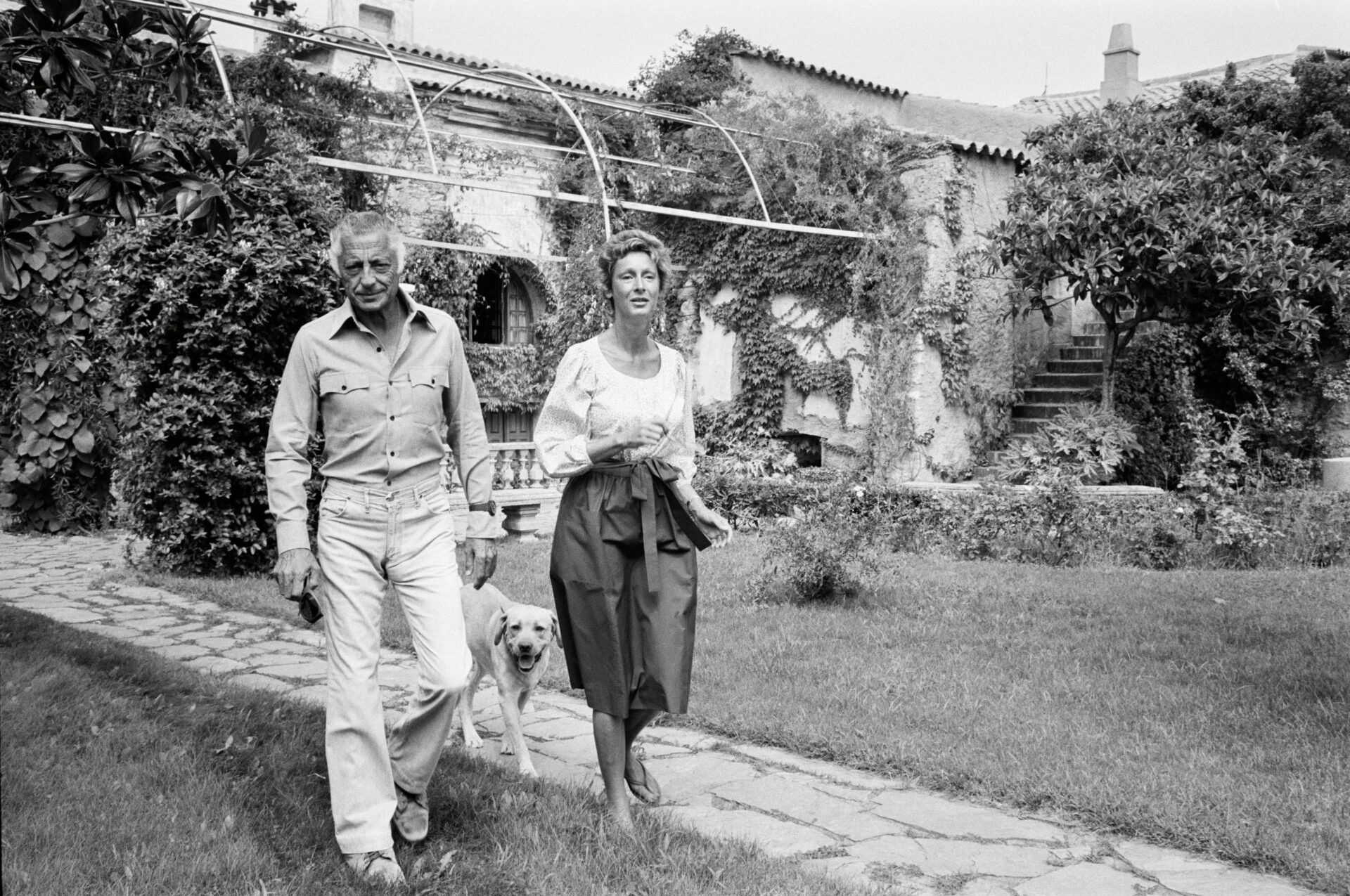
Marella and Gianni Agnelli walking through the grounds of Il Convento, Corsica, 1975. Photograph by Max Scheler.
Much of what we can see of this private world comes through photographs, among them those of François Halard. His images preserve something more elusive than decoration: the coexistence of austerity and abundance, history and domesticity, refinement and ease. Il Convento appears not as a completed decorative statement, but as a collection of atmospheres.
That sensibility continued beyond the walls.
Marella’s relationship with gardens long preceded Corsica. At Villar Perosa she had worked closely with the English landscape designer Russell Page. Paolo Pejrone, who had worked with Page and would become one of Italy’s distinctive landscape designers, later became a longstanding collaborator of Marella’s. At Alzipratu, their shared sensibility found expression in the landscape surrounding the convent.
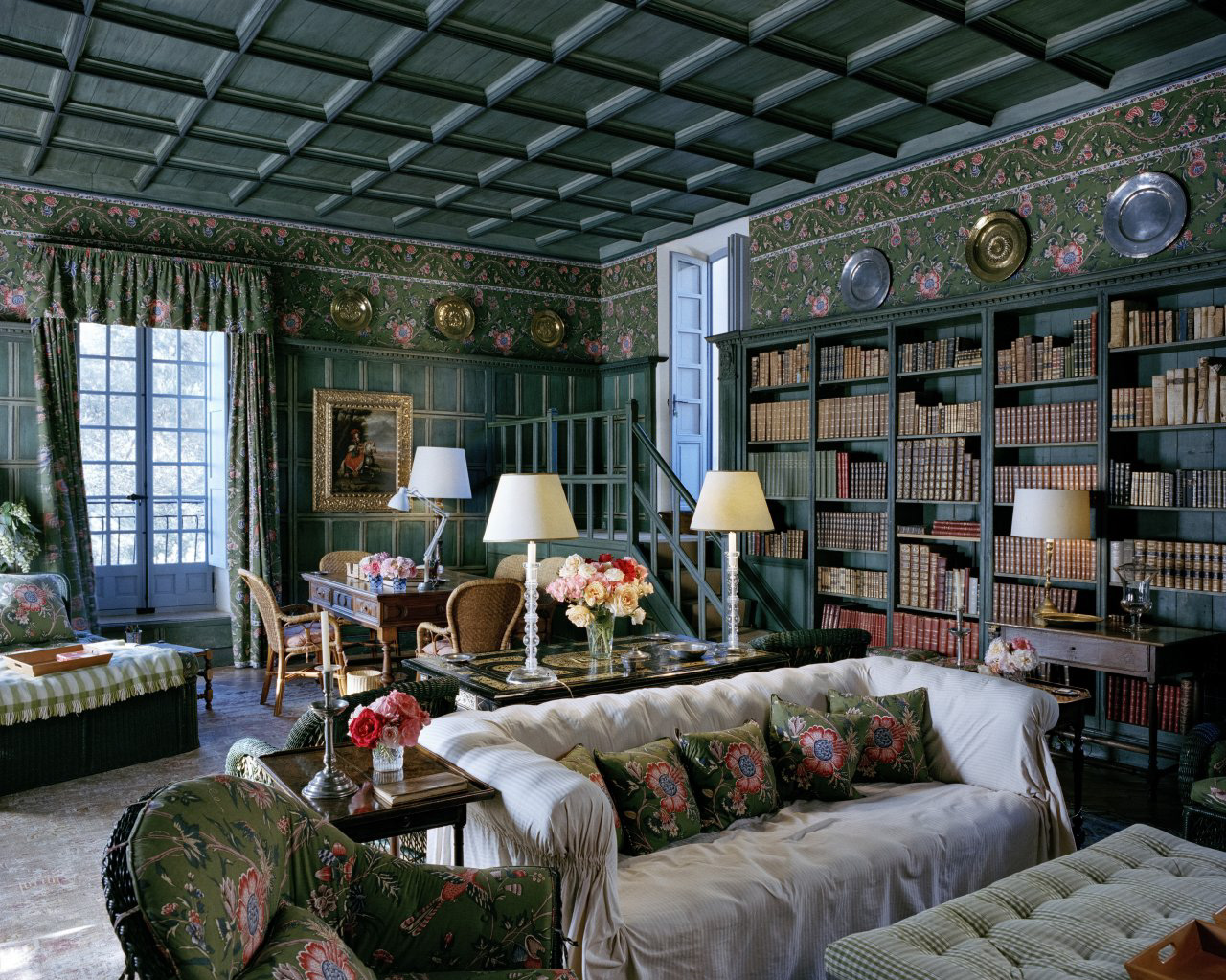
A quieter, more domestic side of Il Convento. Photograph by François Halard.
Here, the questions were less about how a garden should look than how it might be lived. Where would people gather during the day, and where in the evening? Where could someone disappear to read or work? Where would the shade be deepest when it was time to eat?
They are deceptively simple questions. Together, they reveal an understanding of landscape in which beauty follows life rather than precedes it.
The apparent ease of the garden conceals its structure. Seen from above, paths, planted axes, orchards and rows of trees reveal a landscape carefully ordered around the convent. At ground level, that order recedes. Ivy climbs old walls. Cypress rises against the horizon. Vegetation encroaches upon architecture. Beneath a woven canopy, a long table and wicker chairs turn shade into another room of the house. The design is present, but rarely insists upon itself.
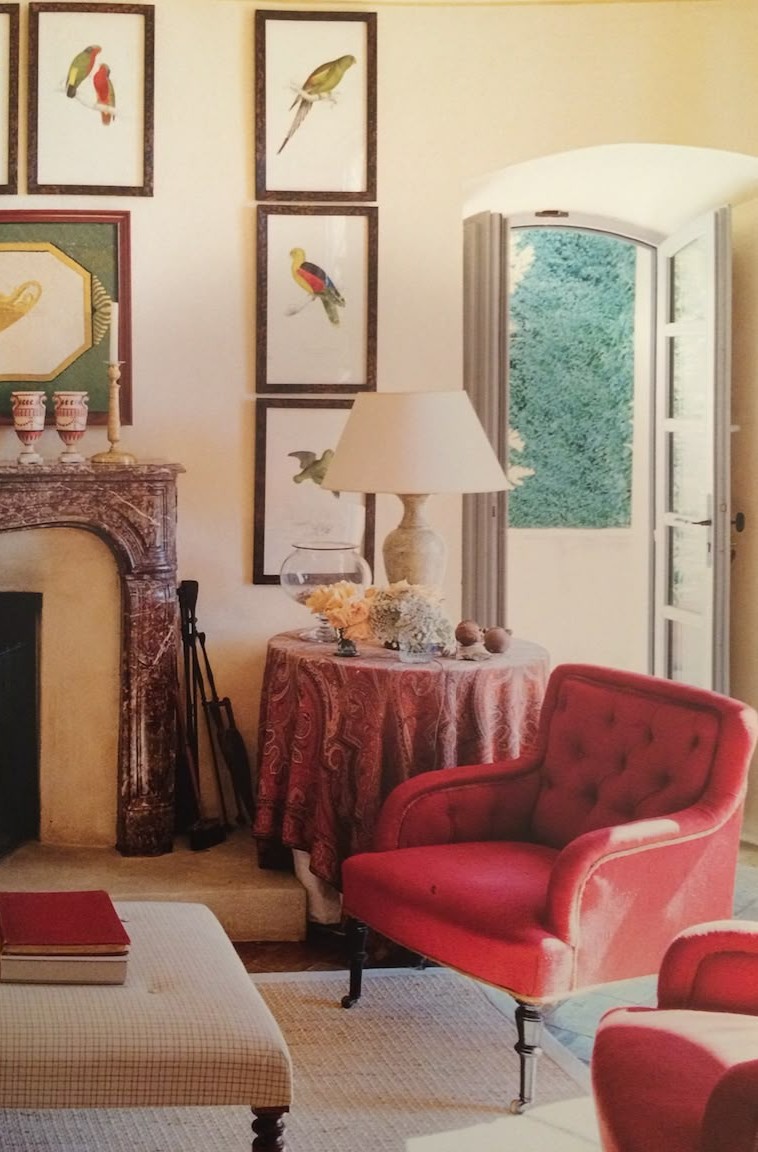
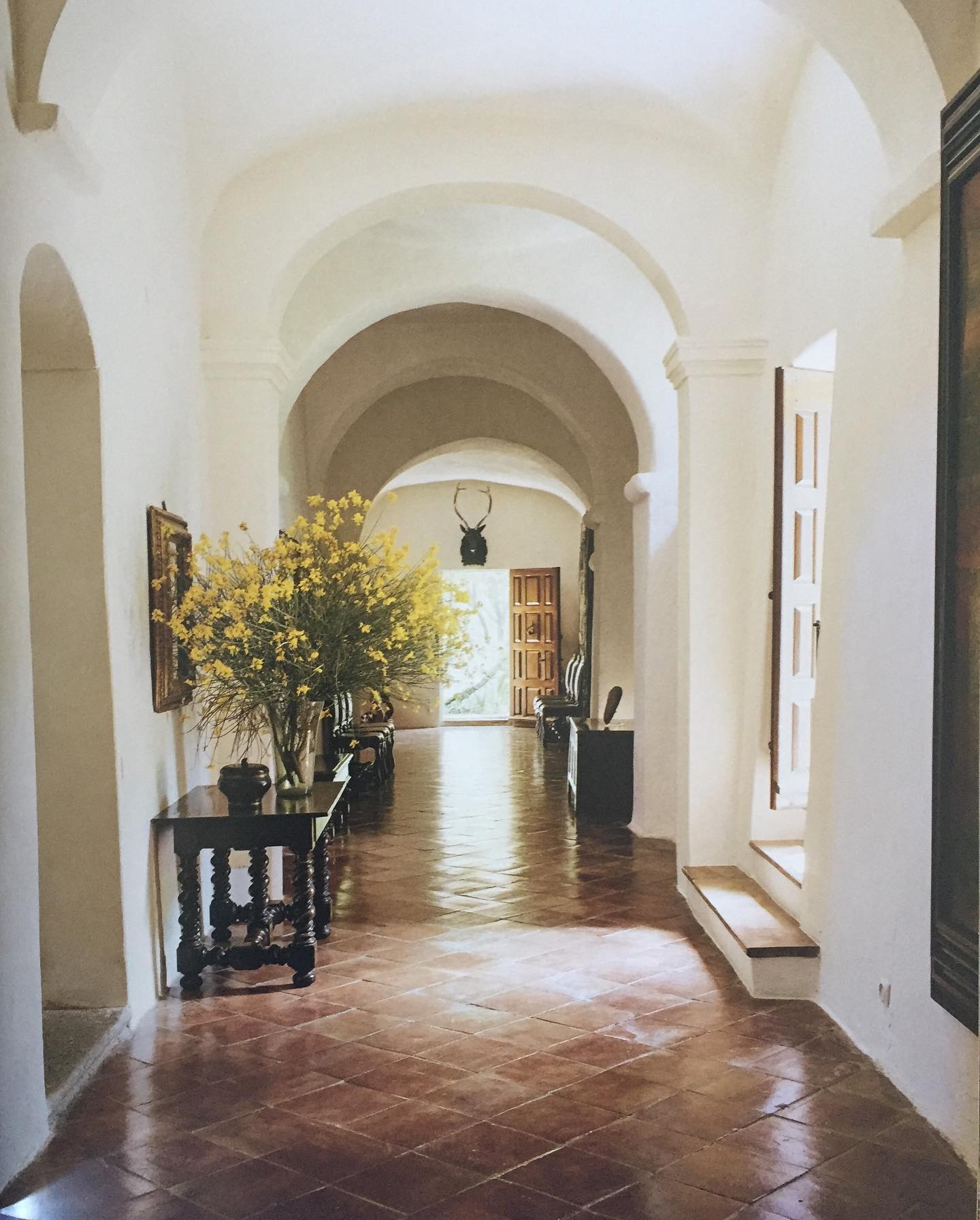
Quiet interiors preserve the simplicity and austerity of the former convent. Photographs by François Halard.
This was not landscape conceived simply to be viewed. It accommodated the rituals of living: eating outside, walking, reading, retreating from the heat, gathering again when evening arrived. The distinction between house and garden began to dissolve.
In photographs of Gianni and Marella walking through the grounds, this quality becomes tangible. They appear not against a manicured backdrop but within a landscape that has settled around them: stone paths softened by time, walls disappearing beneath climbing plants, trees allowed their weight and irregularity.
One can imagine the sensory rhythm without needing to embellish it: shutters opened against morning light; leaves shifting in the wind; the dry scent of vegetation warming through the afternoon; shadows lengthening across old masonry as the heat receded.
And always, beyond the walls, the mountains.
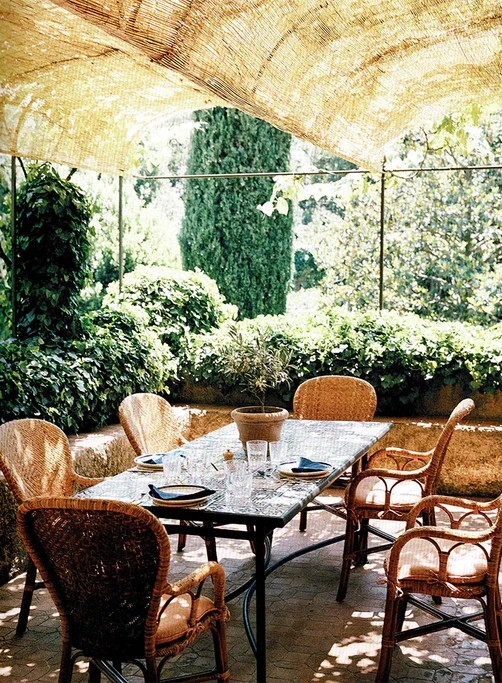
The garden becomes another room of the house. Photograph by François Halard.
Today, Il Convento remains largely beyond public view. Its contemporary life is discreet, protected from the visibility that surrounds so many historic houses. Perhaps appropriately, the convent continues to resist easy access and easy definition.
What remains visible survives in flowers against old stone, in rooms allowed to retain their differences, in the relationship between house and garden, and in places conceived equally for gathering and solitude.
Some houses exist to be admired. Others exist to be lived in.
Il Convento belongs to the latter.
Here, preservation is not nostalgia. Landscape is companion rather than scenery. And silence, once the domain of monks, still defines the character of the place, less as absence than as a form of attention.
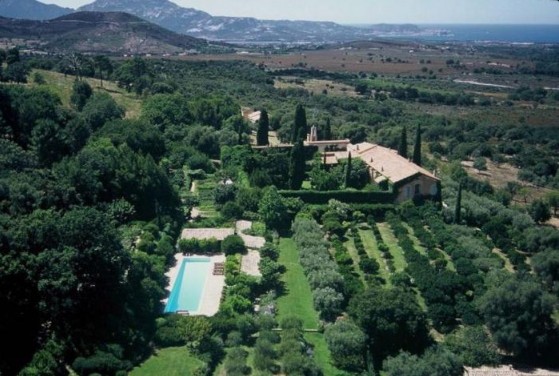
Il Convento, its gardens and the wider Balagne landscape.